


It can be quite a surprise when we turn on our heating system expecting warmth, only to feel a blast of cold air. This can be frustrating, especially when the weather outside is chilly. We’ve put together some common heating system troubleshooting steps that we can try ourselves before we consider calling in a professional. Sometimes, a simple fix can get our homes warm again.
Key Takeaways
- Checking thermostat settings is a straightforward first step in heating system troubleshooting; ensure it’s set to ‘heat’ and the desired temperature is higher than the current room temperature.
- Regularly inspecting air filters for clogs is important for proper airflow and system function, as a dirty filter can restrict warm air from circulating.
- If simple checks don’t resolve the issue, we should be aware of potential electrical problems or signs of a refrigerant leak, which require professional attention for safe and effective heating system repair.
Common Heating System Troubleshooting Steps
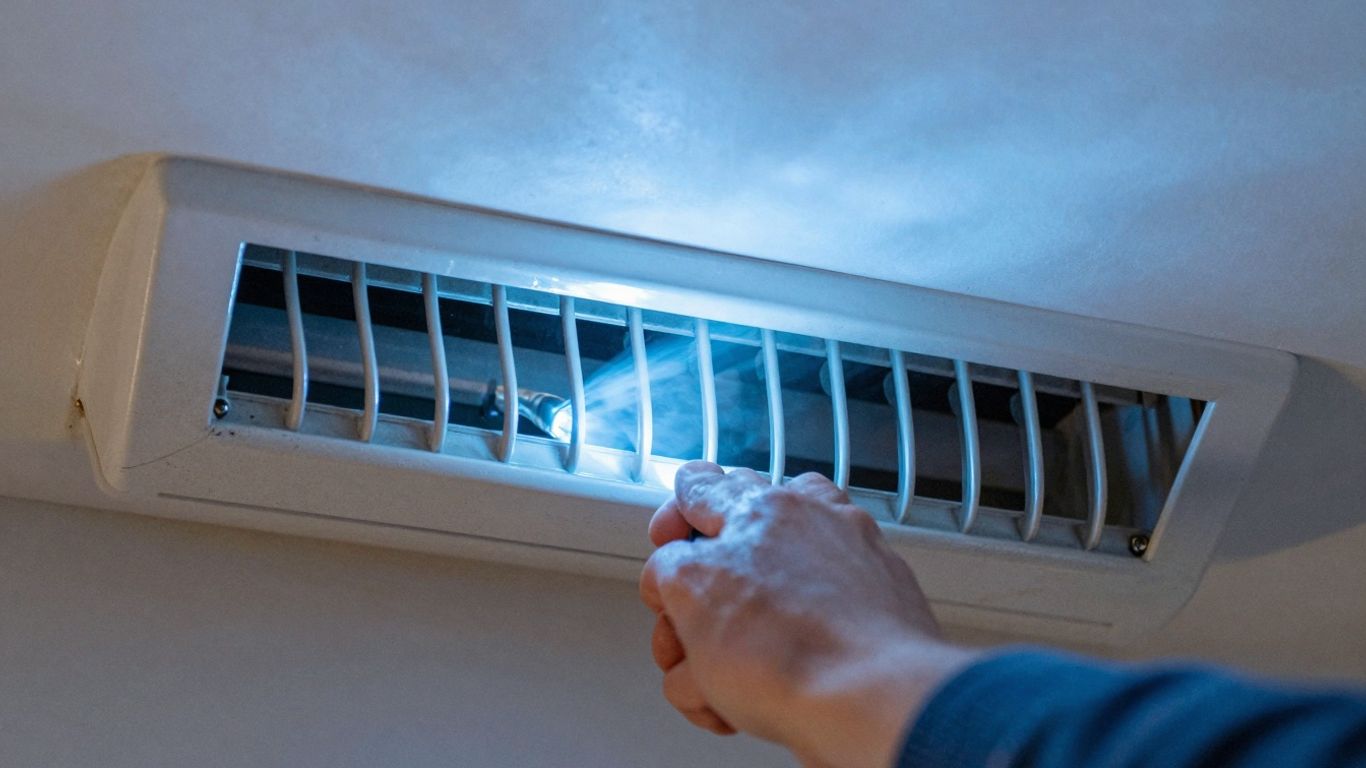
When your heating system decides to blow cold air instead of warm, it can be quite a surprise, especially on a chilly day. Before you panic and call for service, there are a few things we can check ourselves. Often, the fix is simpler than you might think.
Check Your Thermostat Settings
This might sound obvious, but it’s the first place we should look. Sometimes, the thermostat can get bumped or a setting can be accidentally changed. We need to make sure it’s set to ‘Heat’ and not ‘Cool’ or ‘Fan Only’. Also, check the temperature setting. Is it set higher than the current room temperature? If the thermostat thinks the room is already warm enough, it won’t call for heat. We should also consider if the batteries in the thermostat are low or dead, as this can cause erratic behavior or prevent it from signaling the furnace at all.
Inspect Air Filters For Clogs
A clogged air filter is a common culprit for many heating problems, including blowing cold air. When the filter is packed with dust and debris, it restricts airflow. This can cause the system to overheat, and many modern furnaces have safety features that will shut down the heating process if airflow is too low. This prevents damage to the unit, but it means you’ll get cold air instead of warm. We should check the filter monthly and replace it when it looks dirty. The type of filter matters, too; some are more restrictive than others. A good rule of thumb is to hold the filter up to a light source. If you can’t see much light through it, it’s time for a new one.
A dirty filter doesn’t just affect heat output; it can also strain your system’s fan motor and lead to reduced air quality throughout your home. Regular replacement is a small task with big benefits for both comfort and system longevity.
When To Call A Professional For Heating System Help
Sometimes, even after checking the simple things, your heating system might still be blowing cold air. When that happens, it’s usually a sign that something more complex is going on, and it’s time to bring in someone who knows these systems inside and out. We don’t want you freezing, so let’s look at when it’s best to call in the pros.
Identifying Potential Electrical Issues
Heating systems have a lot of electrical parts that need to work just right. If you’re not getting heat, it could be a problem with the wiring, a tripped breaker, or even a faulty control board. Sometimes, a safety switch might have been accidentally triggered, shutting everything down. These kinds of electrical problems can be tricky and even dangerous if you’re not trained to handle them. We’ve seen cases where a small electrical issue, if ignored, can lead to bigger, more expensive repairs down the line. It’s not worth the risk to try and fix these yourself.
Recognizing Signs Of A Refrigerant Leak
This might sound strange because we usually think of refrigerant with air conditioners, but many modern heating systems, especially heat pumps, use refrigerant to move heat. If your system is low on refrigerant, it won’t be able to heat your home effectively, and you’ll start feeling that cold air. Other signs of a refrigerant leak can include:
- Ice buildup on the outdoor unit or refrigerant lines.
- A hissing or bubbling sound coming from the unit.
- A noticeable drop in heating performance.
- Higher energy bills because the system is working harder.
Refrigerant is a chemical that needs careful handling, and a leak means your system isn’t working as it should. It’s important to get this checked out by a qualified technician.
When you start noticing persistent issues with your heating, especially if they involve electrical components or strange noises, it’s usually best to stop troubleshooting yourself. Professionals have the right tools and knowledge to diagnose and fix these problems safely and correctly. Trying to fix complex issues without the proper training can lead to further damage or even safety hazards.
If you’ve gone through the basic checks and your furnace or heat pump is still blowing cold air, don’t hesitate to reach out to a heating professional. They can get your system back up and running, keeping your home warm and comfortable.
Wrapping Up: Getting Warm Again
So, we’ve looked at a few reasons why your heating might be acting up and blowing cold air. It could be something simple like a dirty filter, or maybe the thermostat is playing tricks. Sometimes, it’s a bit more involved, like a pilot light issue or a problem with the fan motor. Whatever the case, knowing these common culprits can help you figure out if it’s a quick fix you can handle yourself or if it’s time to call in a professional. Don’t let a cold house get you down; a little troubleshooting can often get things back to cozy in no time.
Frequently Asked Questions
Why is our heater blowing cold air even though it’s turned on?
Sometimes, the simplest fix is the right one. We might find that the thermostat is set to ‘cool’ instead of ‘heat,’ or perhaps the temperature is set too low. It’s also possible that the system’s safety features have kicked in because of an issue, like a tripped breaker. We should always check these basic settings first before assuming a bigger problem.
What if we’ve checked the thermostat and filters, and it’s still blowing cold air?
If the easy checks don’t solve the problem, it could be something more complex. We might be dealing with a problem in the electrical parts of the heating system, like a faulty ignitor or a bad limit switch. Another possibility is a leak in the system that’s causing it to lose its ability to heat properly. These kinds of issues often need a professional’s touch.
How can we tell if it’s time to call for expert help with our heating?
We should consider calling a heating expert if we’ve tried the basic troubleshooting steps and the problem persists. Unusual noises, strange smells, or the system not turning on at all are also good indicators. Furthermore, if we suspect electrical problems or notice any signs of leaks, it’s definitely safer and more effective to have a qualified technician take a look.
