


That first warm day of spring often brings a sigh of relief and the desire to cool off. But when we flip that switch on our air conditioner, sometimes a less-than-pleasant smell greets us. It’s that musty, damp odor that seems to come out of nowhere. We’ve all been there, wondering what’s causing it and if it’s a big problem. Let’s look into why this happens and what we can do about it.
Key Takeaways
- The musty smell from your AC is usually due to mold and mildew that grows inside the unit, especially when it sits unused and moisture builds up.
- Keeping your AC system maintained, like changing filters regularly, helps prevent mold growth and keeps the air fresh.
- Scheduling professional ac system maintenance checks can catch problems early and keep your unit running well, avoiding those unpleasant smells.
Understanding The Musty Odor Source
Mold And Mildew Growth In Your AC System
So, why does that stale, musty smell suddenly appear when we first turn on the air conditioning after a long winter? It usually comes down to what’s been happening inside your AC unit while it was sitting idle. Think of your AC system like a mini ecosystem. When the air conditioning runs, it cools the air, and as it cools, moisture condenses. This condensation collects in the drain pan and on the evaporator coils. Now, if this moisture sits around for too long, especially during humid months or if the system hasn’t been used, it creates a perfect breeding ground for mold and mildew. These microscopic organisms thrive in damp, dark places, and your AC system provides just that. When you flip that switch, the fan kicks on, and suddenly, all those spores are blown right into your living space, carrying that unmistakable musty odor with them. It’s not just a little bit of dust; it’s actual biological growth that’s causing the smell.
The Role Of Humidity In AC Odors
Humidity plays a pretty big part in this whole musty smell situation. When the air outside is thick with moisture, your AC system has to work harder to pull that dampness out of the air inside your home. As it does this, more condensation forms. If your AC system isn’t draining properly, or if it’s been off for a while, that extra moisture just sits there. This is especially true in places like the drain pan or on the evaporator coils. Over time, this stagnant water becomes a magnet for mold and mildew. We’ve noticed that homes in more humid climates tend to experience this issue more frequently. It’s like a cycle: high humidity leads to more condensation, which, if not managed, leads to mold and mildew, and then you get that smell when the AC starts up. It really highlights how important it is for the system to be able to handle moisture effectively.
The air inside our homes can often be much more humid than we realize, especially when the weather starts to warm up after a cold spell. This trapped moisture is the key ingredient for the growth of unwanted organisms within your cooling system.
Preventing Future Musty Smells With AC System Maintenance
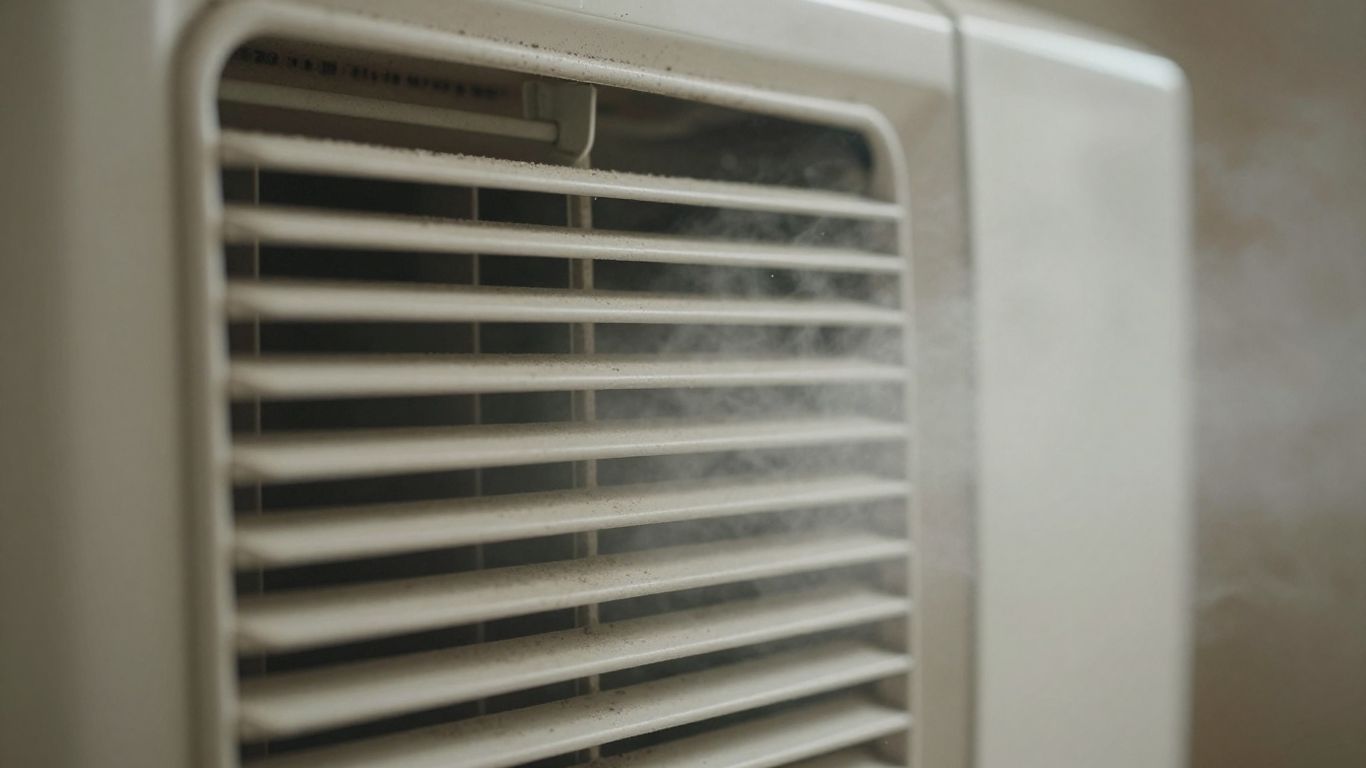
We’ve all been there – that first really warm day of the year, you flip the switch on your air conditioner, and instead of cool, fresh air, you get a whiff of something musty. It’s not the most pleasant welcome. But the good news is, we can take steps to stop this from happening year after year. Regular upkeep of your AC system is the key to keeping those stale smells at bay.
Regular Filter Replacement For Optimal Airflow
Think of your AC filter like the lungs of your system. When it gets clogged with dust, dirt, and other gunk, it struggles to pull air through. This not only makes your AC work harder and use more energy, but it also creates a damp environment where mold and mildew can start to grow. And guess where that smell comes from? Yep, the filter itself and the parts of the AC it touches.
- Changing your filter regularly is one of the simplest, yet most effective, ways to prevent musty odors.
We recommend checking your filter at least once a month, especially during heavy use seasons. Depending on your home environment (pets, allergies, dusty areas), you might need to change it more often. A good rule of thumb is to hold the filter up to a light; if you can’t see light through it, it’s time for a new one.
Here’s a quick guide:
- Check monthly: Especially during spring and summer.
- Replace when dirty: If it looks visibly clogged or you can’t see light through it.
- Consider filter type: Higher MERV-rated filters can catch smaller particles but may need checking more frequently.
Professional AC System Maintenance Checks
While changing the filter is something we can all do, there are other parts of your AC system that need a professional’s touch. Scheduling an annual maintenance check with a qualified technician can catch potential problems before they turn into smelly issues.
During these check-ups, a technician will:
- Clean the evaporator coils: These are prime spots for mold and mildew growth.
- Inspect the condensate drain line: If this gets clogged, water can back up and create a damp breeding ground.
- Check refrigerant levels: While not directly related to smell, proper function helps the system dehumidify effectively.
- Clean the blower fan and housing: Dust and debris can accumulate here, contributing to odors.
A professional tune-up isn’t just about preventing smells; it’s about keeping your system running efficiently, saving you money on energy bills, and extending the life of your AC unit. It’s a small investment that pays off in comfort and cost savings.
Don’t wait until the musty smell returns. Taking these proactive steps will help us all enjoy cooler, fresher air all summer long.
So, What’s the Takeaway?
We’ve all been there. That first really warm day hits, we flip the switch on the AC, and then… that smell. It’s not exactly pleasant, is it? Usually, it’s just a bit of dust and moisture that’s been hanging out in the system all winter. Nothing to panic about, really. A quick check and maybe a simple cleaning can often sort it out. If the smell sticks around or seems really bad, it might be time to call in someone who knows their way around an air conditioner. Better safe than sorry, and we all want our homes to smell fresh, right? Let’s make sure our ACs are ready for the heat, without the funky odor.
Frequently Asked Questions
Why does our AC smell like old socks when we first turn it on after winter?
When your air conditioner sits unused during the cooler months, moisture can build up inside its parts. This dampness is a perfect place for tiny mold and mildew to start growing. When we flip the switch for the first time on a warm day, the fan blows air over this growth, carrying the musty smell into our rooms.
How can we stop our AC from smelling bad next spring?
The best way to prevent that yucky smell is to keep our AC system clean and working well. We should change the air filter regularly, usually every one to three months, to let air flow freely and catch dust. Also, having a professional check our system once a year can catch small problems before they lead to mold or bad smells.
Is the musty smell from our AC harmful to our health?
While the smell itself is unpleasant, the mold and mildew that cause it can sometimes cause problems for people with allergies or breathing issues. It’s a good idea to address the smell quickly to ensure the air we breathe indoors is as clean as possible.
