


Deciding whether to fix your home’s heating and cooling system or get a new one can be tough. We’ve all been there, staring at a repair bill, wondering if it’s worth it. It’s a big decision, and we want to help you figure out the best path forward. This article will walk you through what to consider when your HVAC system starts acting up, focusing on when an hvac system replacement makes more sense than another patch-up job.
Key Takeaways
- We’ll look at how long HVAC systems usually last and what makes them age faster.
- We’ll discuss when fixing your system costs too much and when it’s time to think about an hvac system replacement.
- We’ll help you weigh the costs and benefits of getting a new HVAC system installed.
Understanding The Lifespan Of Your HVAC System
When we talk about our home’s heating, ventilation, and air conditioning (HVAC) system, it’s easy to just assume it’ll keep running forever. But like most things we rely on daily, HVAC units have a lifespan. Knowing what to expect can save us a lot of headaches and money down the road. It’s not just about how long it can last, but also about how well it performs during those years.
Signs Your HVAC System Is Nearing The End Of Its Life
Sometimes, our HVAC system starts sending out signals that it’s getting old and tired. We might not always pick up on these right away, but they’re important to watch for. Ignoring them can lead to bigger problems, and frankly, a lot of discomfort.
Here are some common indicators:
- Age: Most residential HVAC systems are built to last between 15 to 20 years. If yours is pushing or has passed that mark, it’s definitely something to consider.
- Frequent Repairs: If you find yourself calling for repairs more often than you used to, it’s a clear sign that the system is struggling. What started as a minor fix might be a symptom of a larger, aging issue.
- Increased Energy Bills: An older system often works harder to do the same job. This means it’s using more electricity or fuel, which you’ll see reflected in higher utility bills. This gradual increase in energy consumption is a classic sign of declining efficiency.
- Uneven Heating or Cooling: If some rooms in your house are too hot while others are too cold, your HVAC system might be having trouble distributing air evenly. This can happen as components wear out.
- Strange Noises: Any new or unusual sounds – banging, clanking, grinding, or squealing – coming from your unit are red flags. These noises often point to mechanical problems that need attention.
- Poor Air Quality: If you notice more dust, allergens, or musty smells circulating in your home, your system might not be filtering air effectively anymore, or it could be developing internal issues.
Factors Influencing HVAC System Longevity
Several things play a role in how long your HVAC system will serve you well. It’s not just about the initial quality of the unit; how we use and maintain it matters a great deal.
- Regular Maintenance: This is probably the biggest factor. Getting your system checked and serviced annually by a professional can catch small problems before they become big ones. It also keeps everything running smoothly.
- Usage Patterns: How often and how intensely you run your system impacts its wear and tear. Running the AC constantly on extremely hot days or the heater non-stop during a cold snap will put more strain on the components.
- Climate: If you live in an area with extreme temperatures, your HVAC system will likely work harder and potentially have a shorter lifespan compared to someone in a more temperate climate.
- Installation Quality: A system that wasn’t installed correctly from the start might face issues earlier. Proper sizing and setup are key.
- Environmental Factors: Things like dust, debris, or even pets can affect how well your system operates. For instance, a lot of pet hair can clog filters and strain the fan motor.
Understanding these factors helps us be proactive. It’s about giving our HVAC system the best chance to perform reliably for as long as possible, and recognizing when its best days might be behind it.
When Repair Becomes A Losing Proposition
Sometimes, even with the best intentions, pouring more money into an aging HVAC system just doesn’t make sense. We’ve all been there, right? You fix one thing, and then another part starts acting up. It feels like a never-ending cycle, and frankly, it can get pretty expensive.
Frequent Breakdowns And Escalating Repair Costs
If your heating or cooling system seems to be breaking down more often than it works, it’s a clear sign that it’s struggling. Think about it: each repair call adds up. You might be paying for labor, parts, and emergency service fees. Over time, these costs can easily surpass what a new, reliable system would cost. We’ve seen homeowners spend thousands of dollars on repairs for units that are already past their prime. It’s like patching up an old car that constantly needs new tires, brakes, and engine work – eventually, you have to ask if it’s worth it.
Here’s a look at how repair costs can stack up:
| Year | Repair Cost | Total System Cost (Est.) |
|---|---|---|
| 1 | $300 | $300 |
| 2 | $500 | $800 |
| 3 | $750 | $1,550 |
| 4 | $1,000 | $2,550 |
| 5 | $1,500 | $4,050 |
This table doesn’t even include the potential for discomfort during breakdowns or the energy inefficiency of older units.
The Case For HVAC System Replacement Over Costly Repairs
When the repair bills start to climb, it’s time to seriously consider replacement. A new HVAC system comes with a warranty, meaning you won’t have to worry about unexpected repair costs for a good while. Plus, modern systems are much more energy-efficient. This means lower utility bills month after month, which can offset some of the initial cost of a new unit. We often find that the money saved on energy and repairs with a new system can make the decision a financially sound one in the long run.
Consider these points when weighing repair against replacement:
- Age of the Unit: Systems older than 10-15 years are generally more prone to failure.
- Frequency of Repairs: More than two major repairs in a single year is a red flag.
- Efficiency: Older units can be 20-50% less efficient than new ones, costing you more on energy bills.
- Severity of the Problem: A major component failure, like a compressor or heat exchanger, can be very expensive to fix.
When the cost of repeated repairs starts to approach 50% of the price of a new system, it’s usually time to start thinking about an upgrade. It’s about looking at the total picture, not just the immediate fix.
Replacing an old, unreliable system can bring peace of mind, improved comfort, and significant savings on your energy bills. It’s an investment in your home’s comfort and your wallet.
Making The Decision For HVAC System Replacement
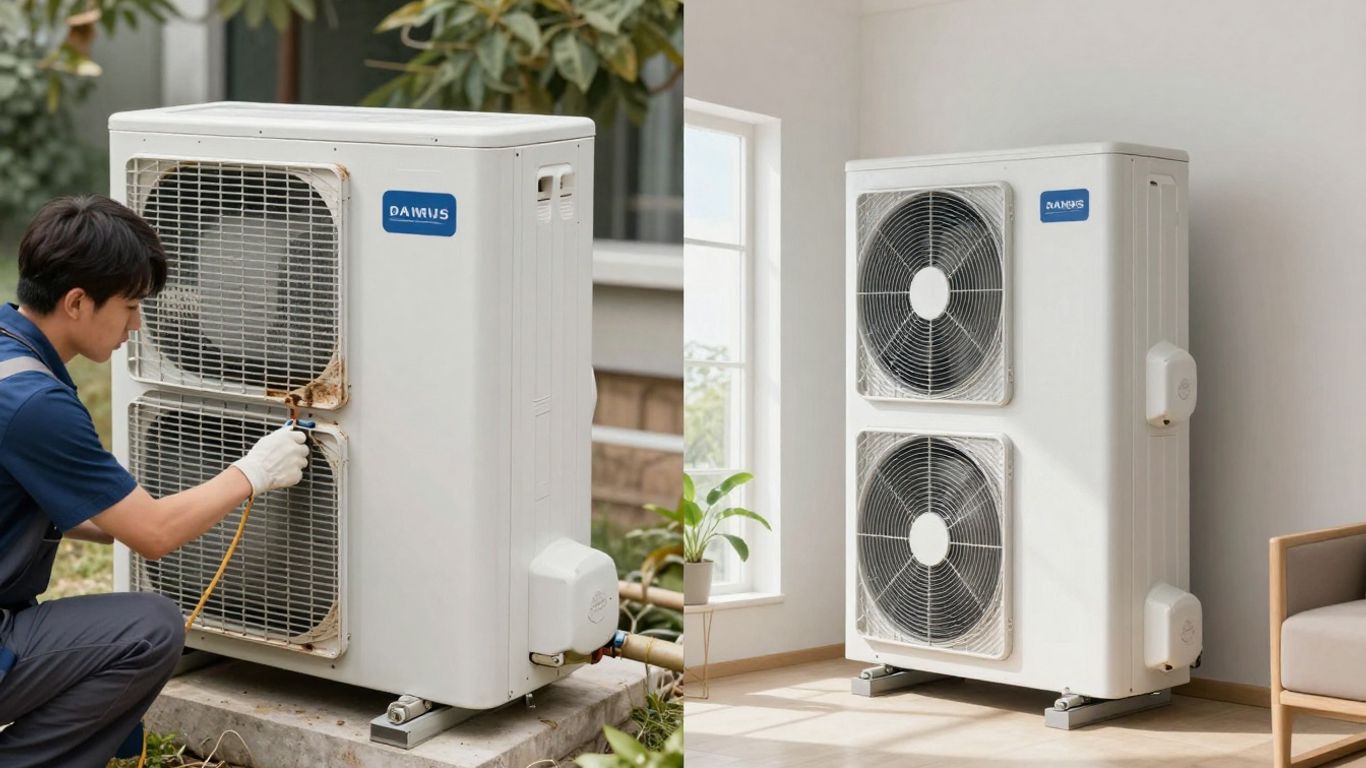
Deciding whether to repair your aging HVAC system or replace it entirely can feel like a tough call. We’ve all been there, staring at a repair bill and wondering if it’s just throwing good money after bad. It’s not just about the immediate cost; it’s about the long-term comfort and financial health of our homes. We need to look at the whole picture, not just the next fix.
Evaluating The Cost-Effectiveness Of Replacement
When we’re faced with a significant repair, it’s smart to do some math. We should compare the cost of the repair against the potential savings and benefits of a new system. Think about it: a repair might fix the immediate problem, but an older unit will likely need more attention down the road. A new HVAC system, while a bigger upfront investment, often pays for itself over time through lower energy bills and fewer repair calls. We can look at the age of our current system, its energy efficiency rating, and the frequency of past repairs. Sometimes, a few big repair bills can quickly add up to more than what a new, efficient unit would cost.
Here’s a simple way to think about it:
- Age of System: If your HVAC is over 10-15 years old, it’s likely nearing the end of its typical lifespan.
- Repair History: Have you had multiple repairs in the last year or two? Are the repair costs getting higher?
- Energy Bills: Are your heating and cooling costs creeping up, even when you haven’t changed your usage habits?
- Efficiency Rating: Older units are often much less efficient than modern ones, meaning they use more energy to do the same job.
Benefits Of A New HVAC System Installation
Beyond just avoiding more repair bills, putting in a new HVAC system brings a lot of good things. For starters, we’re talking about comfort. A new system will likely heat and cool our homes more evenly, getting rid of those hot and cold spots we’ve learned to live with. And let’s not forget about the energy savings. Modern HVAC units are built to be much more efficient, which means they use less electricity or gas. This can lead to noticeable reductions in our monthly utility bills. Plus, newer systems often come with better warranties, giving us peace of mind.
We should also consider:
- Improved Air Quality: Many new systems come with advanced filtration options that can help reduce dust, allergens, and other pollutants in our homes.
- Quieter Operation: Older units can be noisy. Newer models are generally designed to run much more quietly.
- Smart Thermostat Compatibility: Most new systems work well with smart thermostats, allowing for better control over temperature and energy usage, even when we’re not home.
- Environmental Impact: More efficient systems use fewer resources, which is better for the environment.
When we weigh the ongoing costs and potential headaches of an old system against the comfort, efficiency, and reliability of a new one, the choice often becomes clearer. It’s an investment in our home’s future.
Making the Right Choice for Your Home
Deciding whether to fix your HVAC system or get a new one can feel like a big puzzle. We’ve looked at the signs, like how often it breaks down and how old it is, to help you figure it out. Sometimes, a simple repair is all that’s needed, saving you money right now. But other times, especially if the system is getting up there in years and needs constant attention, putting that money towards a new, more efficient unit makes more sense in the long run. It’s about weighing the costs, thinking about comfort, and considering the energy bills. We hope this helps you make a smart decision for your home and your wallet.
Frequently Asked Questions
How long should our heating and cooling system typically last?
Most home comfort systems, like the ones we use for heating and cooling, are built to last for a good while. Generally, you can expect a well-maintained system to keep our homes comfortable for about 15 to 20 years. Of course, this can change depending on how much we use it and how often we have it checked out.
When does it make more sense to buy a new system instead of fixing our old one?
It’s a tough call, but we often find ourselves at a point where fixing the old system just isn’t worth it anymore. If we’re calling for repairs more and more often, and each fix seems to cost a lot, it might be time to think about a new one. Sometimes, putting that repair money towards a new, more efficient system saves us more in the long run.
What are the main advantages of getting a brand-new HVAC unit?
Getting a new heating and cooling system brings a lot of good things. For starters, newer units are usually much better at saving energy, which means our utility bills could go down. They also tend to work more reliably, so we won’t have to worry as much about unexpected breakdowns. Plus, modern systems often have better features for keeping our air clean and our homes at just the right temperature.
