


Spring is here, and with warmer weather on the way, it’s the perfect time to think about our air conditioners. We often put off checking on these systems until they’re really needed, and then we find ourselves in a bind. This year, let’s get ahead of the game. We’ll look at how to tell if your AC needs a little work or if it’s time for a whole new unit. Making the right choice now can save us a lot of hassle and money down the road.
Key Takeaways
- We should pay attention to signs like strange noises, weak airflow, or higher energy bills, as these can point to problems with our air conditioner.
- Deciding between air conditioner repair and replacement involves looking at the age of the unit, the cost of repairs, and how efficient a new system would be.
- Replacing an older air conditioner often makes financial sense if repairs are frequent, expensive, or if the unit is past its typical lifespan, leading to better energy savings.
Assessing Your Air Conditioner’s Condition
As spring arrives, it’s the perfect time to take a good look at our air conditioning systems. We want to make sure they’re ready to keep us cool when the summer heat hits. Ignoring potential problems now could lead to bigger headaches and higher costs later on.
Signs Your Air Conditioner Needs Attention
Sometimes, our AC units give us hints that something isn’t quite right. Paying attention to these signals can save us a lot of trouble. Here are some common things we might notice:
- Unusual Noises: Are you hearing strange sounds like grinding, squealing, or banging coming from the unit? These noises often point to mechanical issues that need a closer look.
- Weak Airflow: If the air coming from your vents feels weaker than usual, or if some rooms aren’t getting cool air at all, it could mean a problem with the fan, refrigerant levels, or blocked ducts.
- Strange Smells: A musty or burning smell when the AC kicks on is a definite red flag. It could indicate mold growth inside the unit or an electrical issue.
- Increased Humidity: If your home feels more humid than it should, even when the AC is running, the system might not be dehumidifying properly.
- Frequent Cycling: Does your air conditioner turn on and off much more often than it used to? This could be a sign of an overworked system or a thermostat problem.
Understanding Common Air Conditioner Repair Issues
When we notice these signs, it’s helpful to know what might be causing them. Many common AC problems can be fixed, but understanding them helps us talk to a technician.
- Refrigerant Leaks: Refrigerant is what cools the air. If the levels are low, it’s usually because of a leak. This can make the system less efficient and, if left unaddressed, can damage the compressor.
- Dirty Coils: The evaporator and condenser coils can get dirty over time. Dirty coils can’t transfer heat effectively, making the AC work harder and use more energy.
- Fan Motor Problems: The fan is responsible for circulating air. If the fan motor is failing, you’ll likely experience poor airflow and cooling.
- Thermostat Malfunctions: A faulty thermostat can cause all sorts of issues, from the AC not turning on to running constantly. Sometimes, it just needs a simple reset or battery change, but other times, it needs replacement.
- Electrical Issues: Loose wiring, capacitor failures, or problems with the contactor can all prevent the AC from working correctly. These can be safety concerns as well.
It’s easy to put off AC maintenance, especially when the weather is still mild. However, a little proactive attention now can prevent a complete breakdown during the hottest part of the year. Think of it as giving your AC a spring check-up.
We should also keep an eye on the age of our unit. If it’s getting up there in years, even minor issues might be a sign that a replacement is on the horizon. Regular maintenance, like changing air filters, can go a long way in keeping our AC running smoothly.
Making the Decision: Repair or Replace
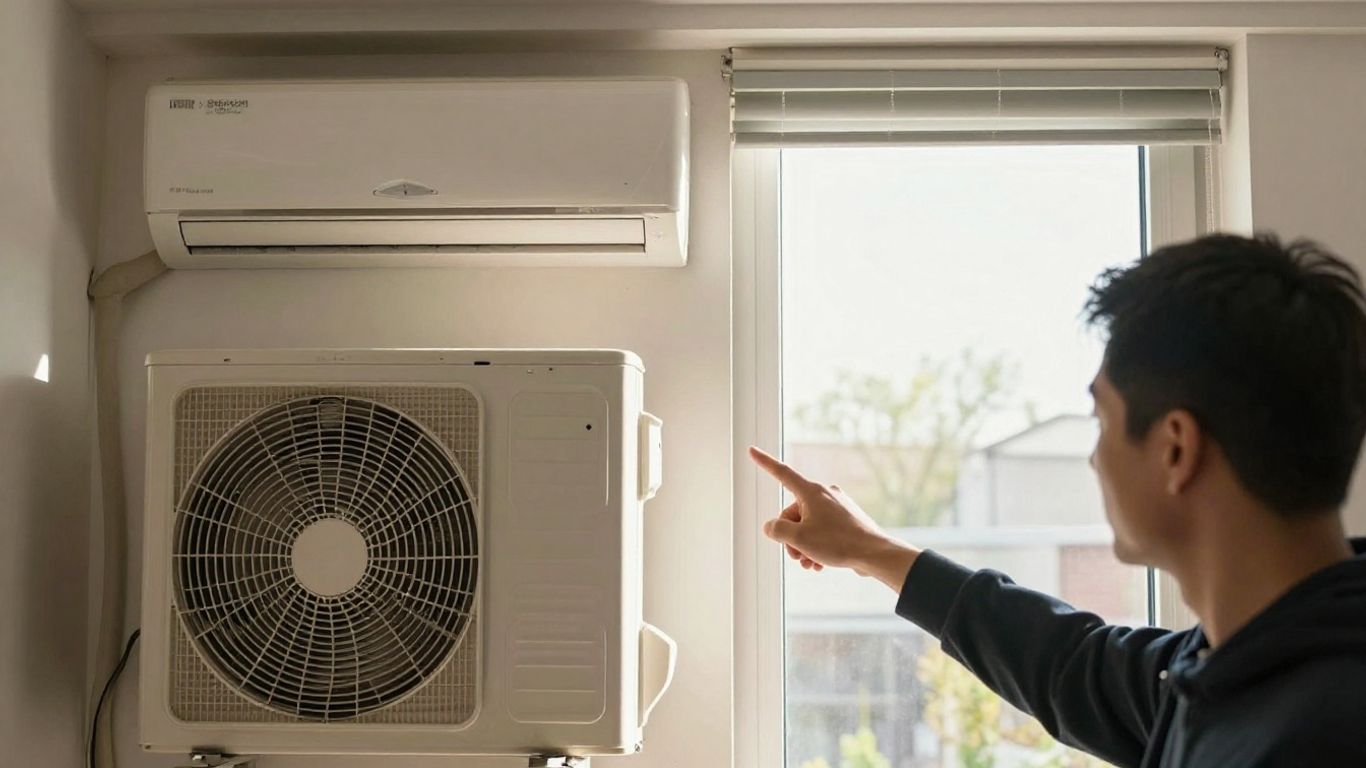
Sometimes the choice between fixing up our current air conditioner or buying a brand new one isn’t so clear. We’ve all been there—staring at a repair bill and wondering if it’s finally time to move on. Let’s go over what influences this decision and when it actually makes sense to swap out the old unit.
Factors Influencing Air Conditioner Repair and Replacement
There are a handful of things we should think about before choosing repair or replacement:
- Age of the Unit: Air conditioners usually last 10-15 years. If ours is getting up there, repairs may be a short-term fix.
- Repair Cost vs. Value: If repair bills are stacking up, it may be smarter to invest in a new machine instead of patching up the old one.
- System Efficiency: Older ACs use more energy, leading to higher bills. Over time, those extra monthly costs add up.
- Type and Frequency of Repairs: Needing a major fix like a new compressor is different from a minor issue. If breakdowns are happening more often, that’s a red flag.
| Unit Age | Common Issues | Recommended Action |
|---|---|---|
| 0-7 years | Minor part failures | Repair |
| 8-14 years | Frequent problems | Consider replace |
| 15+ years | Reduced efficiency | Replace |
If it feels like our AC disappears into the repair shop every spring, maybe it’s time to call it quits. Spending money every year to keep it running just isn’t worth it after a while.
When Air Conditioner Replacement Makes Financial Sense
Let’s look at situations where replacing the unit could be the smarter money move:
- Repair costs are over half the price of a new system.
- Energy bills keep climbing even after basic repairs.
- Our AC still uses the outdated R-22 refrigerant (which is expensive and being phased out).
- We’re planning to stay in our home a long time, so the efficiency boost from a new unit pays off over the years.
Waiting too long to replace an inefficient air conditioner can cost us way more in the long run.
Deciding to replace instead of repair isn’t always easy, but when the numbers point clearly one way, it’s a lot less stressful than dealing with mid-summer breakdowns. Most of us just want cold air we don’t have to think about.
Making the Right Call This Spring
So, as we head into warmer weather, we’ve looked at what might make sense for your air conditioner. Sometimes a simple fix is all that’s needed, and that’s great. But if your unit is showing its age or costing a lot to run, it might be time to think about a new one. We hope this helps you decide whether to call for repairs or start looking at replacements. Getting this right now means a cooler, more comfortable summer without a lot of hassle. We’ll be watching our own AC unit closely this season, too.
Frequently Asked Questions
How often should we have our air conditioner checked before the summer heat arrives?
We recommend having your air conditioner looked at by a professional at least once a year, ideally in the spring. This check-up helps catch small problems before they become big, expensive ones and ensures your system is ready to keep us cool when we need it most.
What are some signs that our air conditioner might be struggling?
If we notice our air conditioner isn’t cooling as well as it used to, is making strange noises like grinding or squealing, or if our energy bills are suddenly much higher, these are all clues that our system might need some attention. We should also check if we’re seeing ice build-up on the unit or if it’s blowing warm air.
Is it usually cheaper to fix our old air conditioner or buy a new one?
That’s a great question, and it really depends. If the repairs are minor and our unit isn’t too old, fixing it might be the way to go. However, if our air conditioner is over 10-15 years old, needs a major repair, or isn’t very energy-efficient, investing in a new, more efficient model could save us money on energy bills in the long run and provide better cooling.
