


Thinking about getting a new heating system? It’s a big job, and knowing what to expect during the heating system installation can make a world of difference. We’re going to walk through the whole process, from picking the right unit to what happens after it’s all hooked up. It’s not just about staying warm; it’s about doing it safely and efficiently. Let’s break down what you need to know.
Key Takeaways
- The process starts with an assessment of your home and the removal of your old system. Then, the new components are put in place and connected to power and fuel sources.
- After installation, the system is thoroughly tested to make sure it’s working right and heating your home evenly.
- Safety is a big deal during installation. This includes making sure there’s proper ventilation and checking for any gas or electrical leaks.
- Before the installers arrive, clear out the area where the new system will go and check your existing ductwork and home’s insulation.
- Hiring professionals for your heating system installation is important because they have the skills, can keep your warranty valid, and will make sure the system runs at its best for a long time.
Understanding Your Heating System Installation
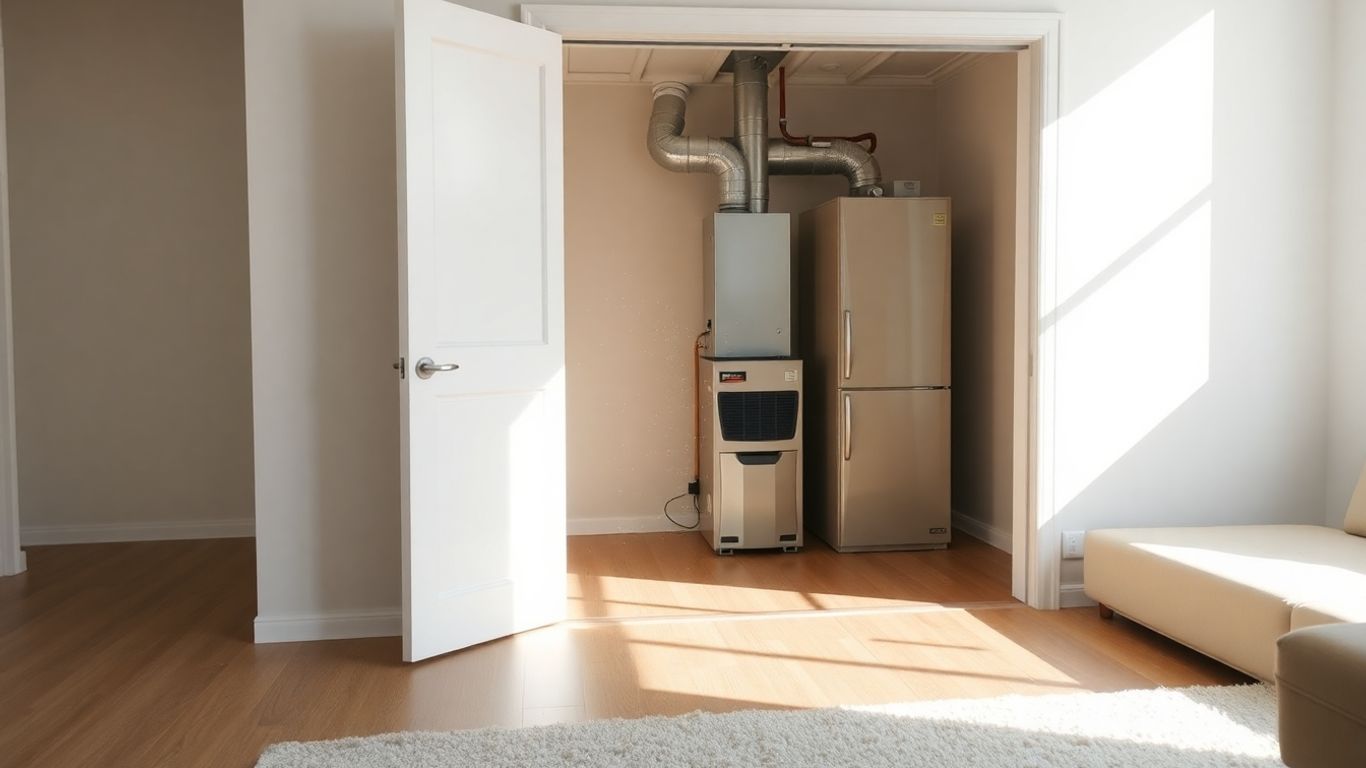
So, you’re thinking about getting a new heating system. That’s a pretty big deal for your home, and honestly, it can feel a little overwhelming at first. But don’t worry, we’re here to break it down. Choosing the right system is the first big step towards a warmer, more comfortable home. It’s not just about picking the cheapest option; it’s about finding something that fits your house, your budget, and how you like to stay warm.
Factors Influencing System Choice
When you’re trying to figure out which heating system is best, there are a few things to keep in mind. It’s not a one-size-fits-all situation. You’ll want to think about:
- Your Climate: If you live somewhere with really harsh winters, you’ll need a more powerful system than someone in a milder area. Some systems are just better suited for extreme cold.
- Fuel Availability and Cost: What kind of fuel can you easily get in your area? Natural gas, propane, oil, or electricity? The price of these fuels can change, so it’s good to look at long-term costs too.
- Home Size and Layout: A big, rambling house needs a different setup than a small, cozy bungalow. The number of rooms, square footage, and even how the house is built play a role.
- Energy Efficiency Goals: Are you trying to cut down on your energy bills and be more environmentally friendly? Some systems are way more efficient than others.
- Existing Infrastructure: Does your home already have ductwork for forced air, or maybe pipes for a boiler system? Working with what’s already there can sometimes save on installation costs.
Picking the right system upfront means fewer headaches down the road. It’s about balancing comfort, cost, and how well it works with your specific home.
Types of Heating Systems Available
There are several main types of heating systems out there, each with its own way of working:
- Furnaces: These are super common. They heat air and then push it through ducts to warm up your rooms. They can run on natural gas, propane, oil, or electricity. They’re known for being pretty reliable.
- Boilers: Instead of heating air, boilers heat water. This hot water then circulates through pipes to radiators or into radiant floor systems. People often say this kind of heat feels really even and comfortable.
- Heat Pumps: These are pretty neat because they can both heat and cool your home. They work by moving heat from one place to another. They’re really energy-efficient, especially in climates that aren’t extremely cold.
- Radiant Heating: This system heats up surfaces, usually floors, walls, or ceilings, which then radiate heat into the room. It’s a quiet and consistent way to warm your home, and you don’t have to worry about air blowing around.
| System Type | Primary Function | Common Fuel Sources |
|---|---|---|
| Furnace | Heats Air | Natural Gas, Propane, Oil, Electric |
| Boiler | Heats Water | Natural Gas, Propane, Oil, Electric |
| Heat Pump | Moves Heat | Electric |
| Radiant Heating | Heats Surfaces | Electric, Hot Water (from Boiler) |
The Professional Heating System Installation Process
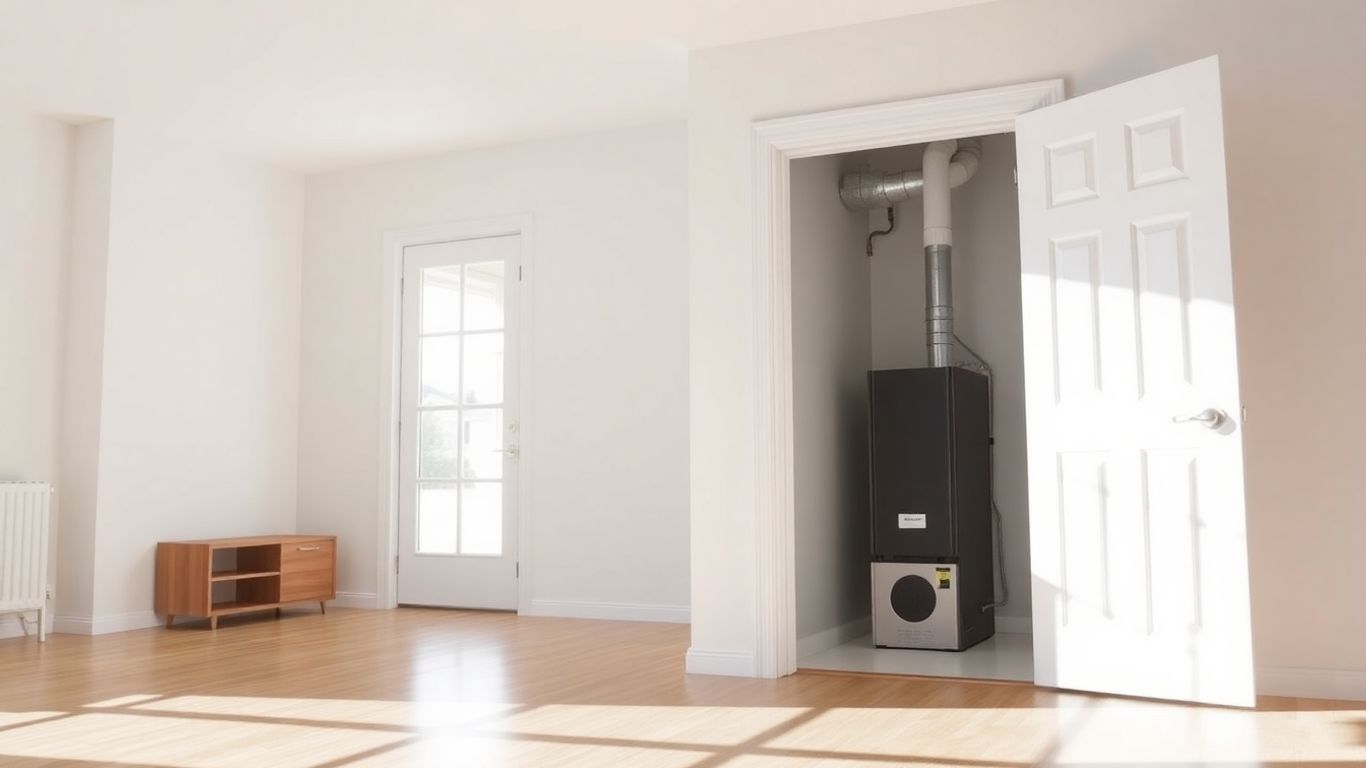
So, you’ve picked out your new heating system, and now it’s time for the main event: getting it installed. This isn’t just about slapping a new box in your basement; it’s a multi-step process that a good professional will walk you through. They’ve done this a million times, so they know the drill.
Initial Assessment and Old System Removal
Before anything new goes in, the pros need to get the old stuff out. This usually starts with a good look around. They’ll check out where the old unit is, how it’s connected, and if there are any surprises hiding behind it. Removing an old heating system needs to be done carefully, especially if it’s a gas unit, to avoid any gas leaks or electrical hazards. They’ll disconnect everything safely and haul the old equipment away, leaving the space ready for the new arrival.
Installing New Heating System Components
This is where the actual installation happens. Depending on the type of system you chose – whether it’s a furnace, a boiler, or a heat pump – the steps will vary a bit. They’ll position the new unit, making sure it’s level and secure. Then comes connecting all the necessary bits and pieces: the ductwork (if it’s a forced-air system), the pipes (for boilers), or the refrigerant lines (for heat pumps). They’ll also install any new thermostats or controls that come with your system.
Connecting to Power and Fuel Sources
Your new heater needs juice to run, right? This step involves hooking it up to your home’s electrical system or its fuel source, like natural gas or propane. This is a really important part, and it has to be done correctly to be safe and efficient. For gas lines, especially, you want someone who really knows what they’re doing. They’ll double-check all these connections to make sure there are no leaks or faulty wiring.
System Testing and Verification
Once everything is physically in place and connected, the work isn’t quite done. The technicians will power up the new system and run it through its paces. They’re checking to see if it’s heating the air properly, if the airflow is good, and if all the safety features are working as they should. They’ll make adjustments as needed to get it running at its best. It’s kind of like a final inspection to make sure everything is working perfectly before they hand over the keys, so to speak.
Ensuring Safety During Heating System Installation
When a new heating system is being put into your home, safety is the number one thing to think about. It’s not just about making sure the unit works; it’s about making sure it works without putting anyone at risk. Professionals know the ins and outs of this, which is why you want them on the job.
Proper Ventilation and Carbon Monoxide Detection
One of the biggest concerns with any fuel-burning appliance, like many furnaces and boilers, is the potential for carbon monoxide (CO) to build up. This is a colorless, odorless gas that can be really dangerous. A proper installation means the system is vented correctly to the outside, so any exhaust fumes go where they belong.
- Always ensure your installer checks the venting thoroughly.
- Install CO detectors on every level of your home, especially near sleeping areas. Test them regularly.
- Understand the signs of CO poisoning, like headaches, dizziness, or nausea.
A heating system that isn’t vented properly can send dangerous gases back into your living space. This isn’t just a minor inconvenience; it’s a serious health hazard that needs to be addressed by qualified professionals during installation.
Checking for Leaks and Potential Hazards
Beyond gas leaks, there are other potential dangers during and after installation. This includes making sure all electrical connections are secure and properly insulated, and that any refrigerant lines (for heat pumps) are handled with care. Professionals will systematically go through a checklist to spot and fix any issues before they become problems.
Here’s what they typically look for:
- Gas Leaks: They’ll use special detectors to sniff out any gas escaping from pipes or connections. Even a small leak can be a fire hazard.
- Electrical Issues: Loose wires, incorrect connections, or improper grounding can lead to electrical shorts or fires.
- Structural Integrity: Making sure the unit is securely mounted and that any modifications to your home’s structure (like wall penetrations for venting) are done safely and up to code.
- Refrigerant Leaks (Heat Pumps): If you’re getting a heat pump, the refrigerant needs to be handled carefully to avoid environmental release and ensure the system works efficiently.
Preparing Your Home for Installation Day
Getting ready for your new heating system installation is pretty straightforward, but a little prep work goes a long way. Think of it like getting your house ready for a big event – you want everything to run smoothly.
Clearing the Installation Area
First things first, make sure the spot where the new unit will go, and the path the technicians need to take to get there, are clear. This means moving furniture, boxes, or anything else that might be in the way. The easier it is for the installers to access the space, the faster and more efficient the job will be. If your new system is going in a basement, attic, or closet, try to clear out as much as you can from that specific area. It’s also a good idea to cover any nearby belongings you’re worried about getting dusty with drop cloths.
Inspecting Existing Ductwork
If you have an existing forced-air system, your ductwork plays a big role in how well your new heater performs. Before installation day, it’s smart to have a look at your ducts. Are there any obvious holes, tears, or loose connections? Sometimes, old ductwork can be a major source of heat loss, and even a brand-new system won’t work its best if it’s pushing air through leaky ducts. Your installer will check this too, but a quick visual inspection beforehand can give you a heads-up. If you notice anything concerning, mention it to your HVAC professional.
Assessing Home Insulation
Insulation is like a cozy blanket for your house, keeping the heat in during the winter and out during the summer. While the installers are focused on the heating unit itself, they’ll also be thinking about how your home holds onto heat. A well-insulated house means your new heating system won’t have to work as hard, saving you money on energy bills and making your home more comfortable. If you’ve been meaning to check your attic insulation or seal up drafts around windows and doors, now is a great time to do it. It’s a simple step that makes a big difference in the overall efficiency of your new heating setup.
Why Professional Heating System Installation Is Crucial
Look, installing a new heating system is a pretty big deal for your home. It’s not like swapping out a lightbulb; this is a complex piece of equipment that affects your comfort and safety all winter long. Trying to do it yourself or hiring someone without the right background can lead to a whole host of problems down the road.
Expertise and Specialized Skills
Professionals have the training and hands-on experience to handle all sorts of heating systems. They know the ins and outs of different brands, models, and types, from furnaces to heat pumps. This means they can correctly size the unit for your home, which is super important. A system that’s too small will struggle to keep up, while one that’s too big will cycle on and off too much, wasting energy and wearing out faster. They also understand the intricate wiring and plumbing involved, making sure everything is connected safely and correctly. This kind of know-how is what separates a good installation from a potentially dangerous one. For reliable service, consider looking into professional HVAC services.
Ensuring Warranty Validity
This is a big one that many homeowners overlook. Most heating system manufacturers require that their equipment be installed by a licensed and certified professional to keep the warranty valid. If you try to install it yourself or hire an unlicensed person, and something goes wrong down the line, the manufacturer might refuse to cover the repairs. That could leave you footing the bill for expensive fixes that would have otherwise been covered. It’s a simple step that can save you a lot of money and headaches later.
Guaranteeing Optimal Performance and Longevity
When a heating system is installed correctly by a pro, it’s set up to run at its best. This means it will heat your home more efficiently, which can lead to lower energy bills. Plus, a properly installed and calibrated system is less likely to break down unexpectedly. Think about it: a well-maintained car runs better and lasts longer, right? The same applies to your heating system. Professionals also know how to spot potential issues during installation, like problems with existing ductwork or ventilation, and address them before they become bigger headaches. They’ll test everything thoroughly to make sure it’s working perfectly before they leave.
A heating system is a significant investment in your home’s comfort and value. Getting the installation right the first time is key to enjoying reliable warmth and avoiding costly repairs or premature replacement. It’s about peace of mind knowing your system is safe, efficient, and built to last.
Post-Installation Care for Your New System
So, the new heater is finally in! That’s a big step towards a warmer, cozier home. But the work doesn’t stop the moment the technicians pack up their tools. Taking good care of your new system right from the start is key to making sure it runs smoothly for years and doesn’t turn into a money pit. Think of it like breaking in a new car – you want to treat it right.
Regular Maintenance Schedule
This is probably the most important thing you can do. Scheduling annual check-ups with a qualified technician is non-negotiable. They’ll come out, give your system a thorough once-over, clean out any gunk, and make sure everything is working as it should. It’s like taking your system to the doctor for its yearly physical. They can spot little issues before they blow up into big, expensive problems. This includes things like:
- Checking and cleaning filters (or reminding you to do it regularly).
- Inspecting all the electrical connections and gas lines.
- Lubricating moving parts.
- Testing the thermostat and safety controls.
- Looking for any signs of wear and tear.
Monitoring System Performance
Beyond the scheduled maintenance, you should also keep an ear and eye on your system day-to-day. If you start hearing weird noises – like banging, rattling, or whistling – that weren’t there before, it’s a sign something might be off. Also, pay attention to how your home is being heated. Is one room suddenly much colder than the others? Are your energy bills creeping up unexpectedly? These could be early indicators that your system isn’t performing at its best. Catching these things early can save you a lot of headaches and money. For more detailed assistance and professional installation services, feel free to contact heating services.
Utilizing Programmable Thermostats
Most new heating systems come with a programmable or smart thermostat, and you should absolutely use it! These gadgets aren’t just fancy gadgets; they can actually help you save energy and money. You can set them to lower the temperature when you’re asleep or away from home, and then have it warm things up again before you wake up or get back. It’s a simple way to manage your home’s comfort without wasting energy. Smart thermostats can even learn your habits and adjust automatically, or be controlled remotely from your phone. It’s a small change that can make a big difference in your energy usage and bills.
Taking proactive steps after installation is the best way to protect your investment. A little bit of attention now means a lot more comfort and reliability down the road. Don’t skip the maintenance, and pay attention to how your system is running. It’s really not that complicated once you get into the habit.
Wrapping Up
So, getting a new heating system put in is a pretty big deal for your home. It’s all about staying warm and not wasting energy. By keeping these tips in mind and calling in the pros for the tricky parts, you can make sure the whole thing goes off without a hitch. And remember, a little bit of regular upkeep will keep your new heater running like a champ for years. If you need more help or want to talk about getting a system installed, don’t hesitate to reach out.
Frequently Asked Questions
How much does it usually cost to get a new heating system installed?
The price can change a lot based on the kind of heater you pick, how big your house is, and where you live. It’s a good idea to get quotes from a few different companies to get a clear picture of the cost for your specific situation. Sometimes, bigger jobs or fancier systems cost more upfront.
What are the different kinds of heating systems I can choose from?
There are several types of heating systems available. You can get forced-air systems that use ducts, electric heat pumps that move heat around, radiant heating that warms floors or walls, or boilers that heat water. Each has its own pros and cons, so the best choice depends on your home and what works best in your area.
What things should I think about when picking out a new heating system?
When you’re deciding on a new heating system, think about how much it will cost to run (energy efficiency), the initial price, how well it will heat your home’s size, and the weather in your region. Also, consider how much upkeep it will need and if there are any special deals or discounts you can get.
How long does it typically take to install a new heating system?
Most heating system installations can be finished in about one to two days. However, if the system is very complicated, the house is large, or it’s the very first time a heating system is being put in, it might take a bit longer. The installers will give you a better estimate before they start.
How often should my new heating system be checked after it’s installed?
To make sure your heating system works its best and lasts a long time, it’s important to have it looked at by a professional at least once a year. This regular check-up helps catch small problems before they become big, expensive ones and keeps your system running smoothly and efficiently.
Why is it so important to have professionals install my heating system instead of doing it myself?
Hiring professionals is crucial because they have the training and experience to do the job safely and correctly. They know how to handle tricky parts, especially with gas lines, and ensure everything is up to code. Plus, most manufacturers require professional installation to keep the warranty valid, saving you potential headaches and costs down the road.
