


Getting a new heating system installed can seem like a big job. We want to help you know what to expect when the professionals come to your home for the heating system installation. This guide breaks down the steps involved, from getting ready for the installers to the final checks once the work is done. Our goal is to make the process as smooth as possible for you.
Key Takeaways
- Before the heating system installation begins, make sure the area where the new unit will go is clear. This helps the team work faster and safer.
- The installation day involves removing your old heater and putting in the new one, then connecting all the pipes and vents.
- After the new heating system installation, the team will test everything to make sure it works right and show you how to use it.
Preparing For Your Heating System Installation
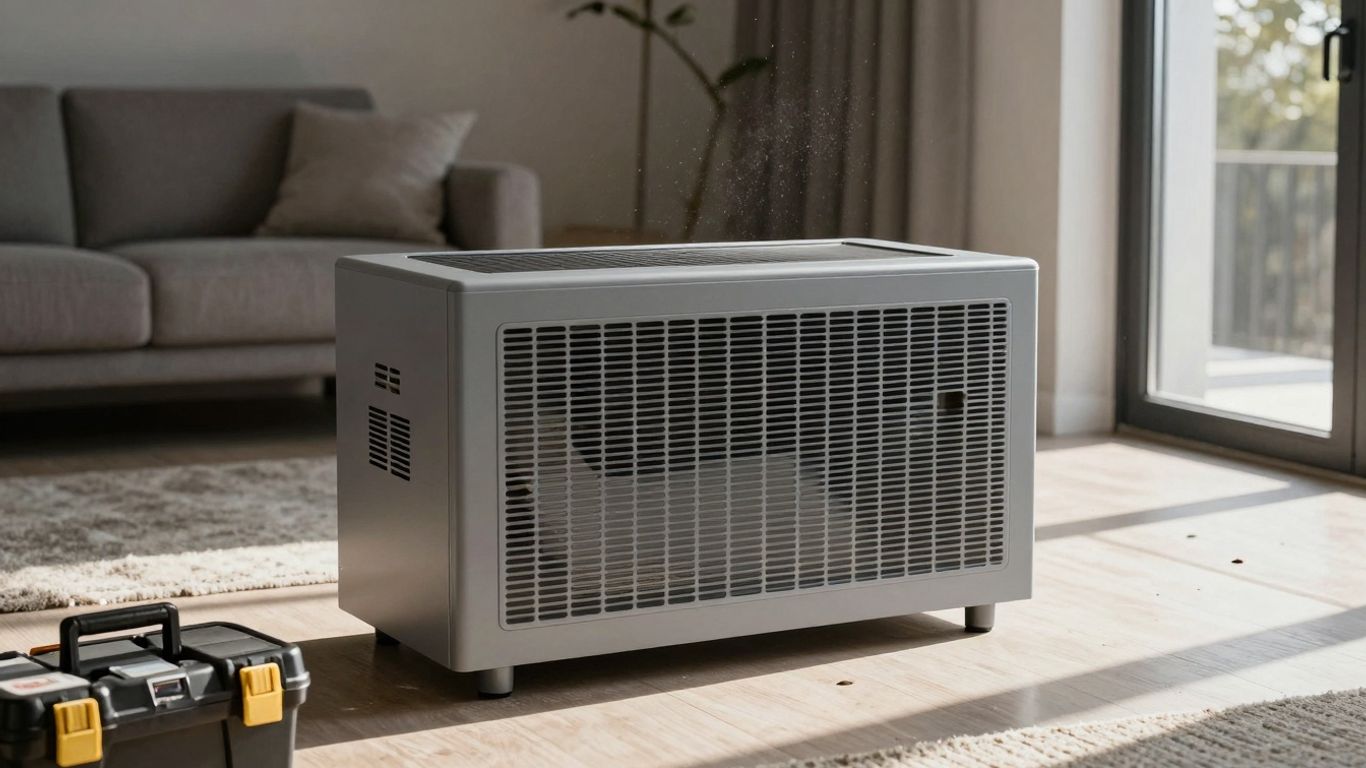
Getting ready for a new heating system is a bit like prepping for a big project around the house. We want to make sure everything goes smoothly, and that means a little bit of planning on our end. Taking these steps beforehand will help the installation team work efficiently and safely.
Understanding The Scope Of Work
Before the installers even arrive, it’s a good idea to have a clear picture of what’s happening. This usually involves a conversation with your HVAC contractor. They should explain what kind of system is being installed, where it will go, and any major changes that will be made. For instance, are they just swapping out the furnace, or is it a full system replacement including the air handler and thermostat? Knowing the details helps us prepare.
- Type of System: Furnace, heat pump, boiler, etc.
- Location: Where will the new unit(s) be placed?
- Ancillary Work: Will ductwork need modification? Is a new thermostat included?
Clearing The Installation Area
Think about the spaces where the work will take place. This typically includes the area around your current furnace or boiler, and potentially the attic or crawl space if ductwork is involved. We need to make sure these spots are accessible.
- Furnace/Boiler Location: Please clear a path to the unit and ensure there’s enough space around it for the technicians to work. Remove any stored items, boxes, or furniture that might be in the way. A general rule of thumb is to have at least a few feet of clear space on all sides.
- Access Points: If installers need to access attics, crawl spaces, or basements, make sure those pathways are clear too. This might mean moving stored items from hallways or stairwells.
- Outdoor Unit (if applicable): For systems with an outdoor component, like a heat pump, ensure the area around it is clear of debris, plants, or any obstructions. This helps with both installation and future maintenance.
It’s also wise to consider pets and children. During the installation, there will be noise, tools, and people moving around. Making arrangements for pets to be in a secure, quiet area away from the work zones is a good idea. Similarly, keeping young children supervised and away from the active installation areas contributes to everyone’s safety.
We’ll also need access to electricity and potentially water, depending on the system. The installation team will confirm these needs with you, but it’s good to be aware that power outlets near the work area should be functional.
The Heating System Installation Process
Once we’ve prepared the space and confirmed the plan, the actual installation begins. This is where the magic happens, transforming your home’s comfort.
Removing The Old System
First things first, we need to get rid of the old unit. This isn’t just a matter of unplugging it; it involves carefully disconnecting power, fuel lines (if applicable), and any exhaust or ventilation. We’ll drain any residual fluids safely. Our team handles the removal with care to avoid damaging your property. We then haul away the old equipment, leaving the area clean.
Installing The New Heating System
With the old system gone, we bring in the new one. This is the core of the process. We’ll position the new furnace or boiler precisely where it needs to be. Then, we start connecting the various components. This includes:
- Attaching the heat exchanger.
- Connecting the blower motor and fan assembly.
- Setting up the gas or electric connections.
- Installing the ignition system.
We work methodically, following manufacturer guidelines and local building codes. It’s a detailed job that requires precision.
Connecting Ductwork And Vents
Your heating system needs to distribute warm air throughout your home, and that’s where the ductwork comes in. We’ll connect the new unit to your existing duct system. If any part of the ductwork is damaged or inefficient, we might recommend repairs or replacements. We also check that all vents and registers are properly connected and sealed. A good seal here means less heat loss and more efficient heating for your rooms. We’ll make sure the airflow is directed correctly.
Post-Installation Checks And Maintenance
Once our team has finished putting in your new heating system, we don’t just pack up and leave. There are a few important steps we take to make sure everything is working right from the start. This part of the process is all about confirming the installation went smoothly and that your new system is ready to keep you warm.
System Testing And Calibration
After all the physical work is done, we’ll power up your new furnace or boiler. We check all the connections, look for any leaks, and make sure the unit is running efficiently. This isn’t just a quick on-and-off test; we run it through its paces. We’ll check the thermostat to see if it’s communicating properly with the heating unit. Our goal is to calibrate the system so it heats your home evenly and effectively. This might involve adjusting airflow or gas pressure settings. We want to make sure you’re not getting hot and cold spots.
Understanding Your New System’s Operation
We’ll walk you through how your new heating system works. This includes showing you how to use the thermostat, explaining any new features it might have, and discussing basic maintenance tasks you can do yourself. We want you to feel comfortable operating and caring for your new equipment. We’ll also provide you with the owner’s manual and warranty information.
Here’s a quick rundown of what we’ll cover:
- How to set your thermostat for different times of the day.
- What the indicator lights on the unit mean.
- Simple checks you can do, like changing the air filter.
- When to call us for professional service.
It’s important to know that regular check-ups can help your system last longer and run better. Think of it like taking your car in for oil changes; it prevents bigger problems down the road.
We’ll also talk about the recommended maintenance schedule. This usually involves an annual inspection by a qualified technician to keep everything in top shape. We want to make sure you get the most out of your new heating system for years to come.
Wrapping Up Your Heating Installation
So, that’s a look at what you can generally expect when a new heating system comes into your home. It might seem like a lot to think about, but remember, the pros are there to handle the heavy lifting. They’ve done this countless times before, so try not to stress too much about the details. Your main job is just to be available, clear the space, and maybe have some snacks ready for the crew. Once it’s all done, you’ll have a warm house to enjoy, and that’s the real prize. We hope this helps you feel more prepared for the process.
Frequently Asked Questions
How long does a new heating system usually take to install?
The time it takes to install a new heating system can vary. For most homes, we expect the process to take about one to two days. However, if the job is more complex, like needing new pipes or a lot of ductwork changes, it might take a bit longer. We’ll give you a better idea of the timeline once we’ve checked out your home and the old system.
What should we do to get ready for the installation day?
To help our team work efficiently, we ask that you clear out the area where the new heating unit will go. This means moving furniture, boxes, or anything else that might be in the way. Also, make sure our installers can easily get to the space, like the basement or attic, where they’ll be working. A clear path helps us finish the job faster and safer.
Will our home be messy after the installation?
We always do our best to keep your home as clean as possible during and after the installation. Our technicians will wear shoe covers and use drop cloths to protect your floors. Once the new system is in place, we’ll clean up the work area. While some dust is unavoidable, we’ll make sure to tidy up before we leave.
