


February might seem like an odd time to think about your home’s heating and cooling system, but we’ve found it’s actually a smart month for it. Winter is still with us, and we want to make sure everything is running right. Plus, spring is just around the corner, and we’ll want our homes ready for warmer weather. Getting a handle on residential HVAC maintenance now can save us from bigger headaches later.
Key Takeaways
- Regular residential HVAC maintenance helps avoid heating problems when it’s cold outside.
- Checking your system early spots small issues before they become costly repairs.
- Good maintenance means your system uses less energy and keeps the air inside cleaner.
Preventing Winter Breakdowns With Residential HVAC Maintenance
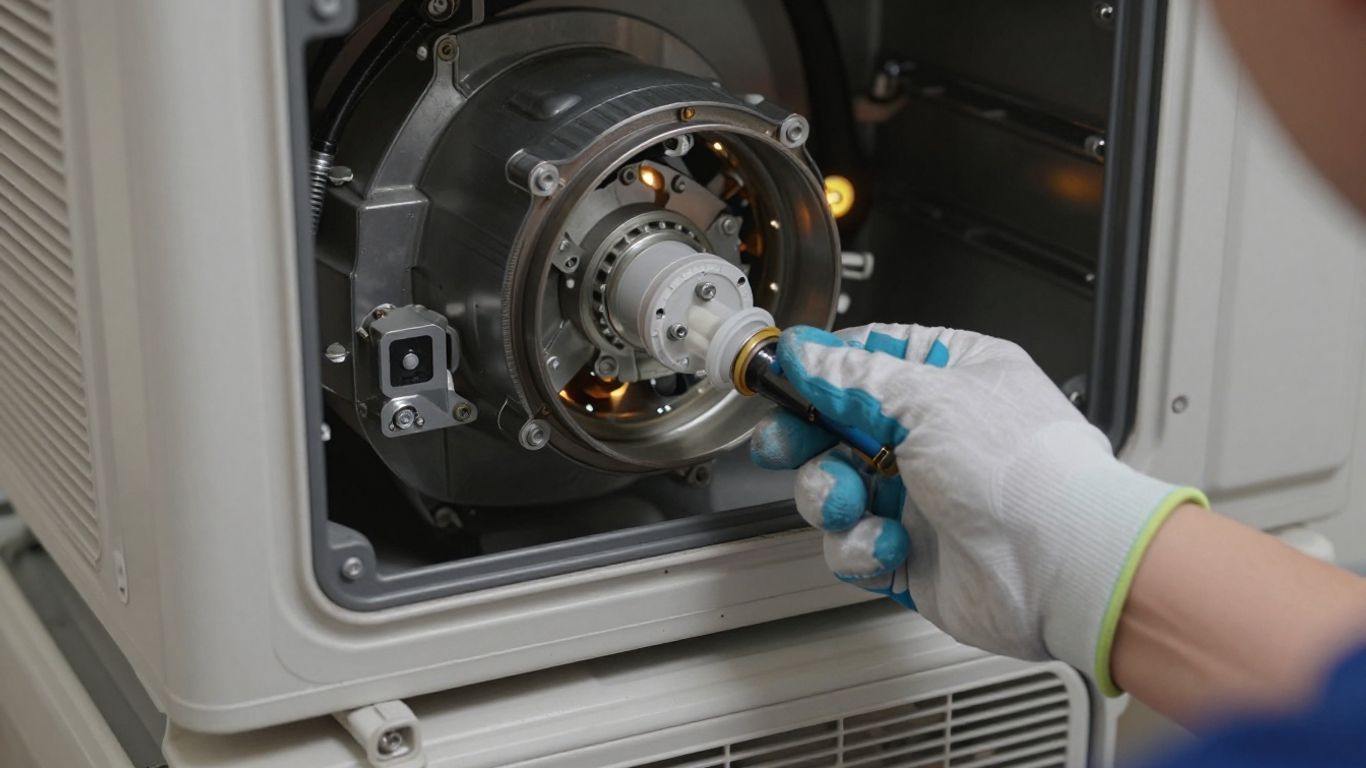
February can still bring some serious cold snaps, and the last thing we want is our heating system deciding to take an unexpected vacation. We’ve all been there, right? That moment when the house starts to feel like an icebox and you’re frantically calling for service. Regular check-ups before these cold spells hit are a smart move. It’s about being proactive, not reactive, when the temperatures really drop.
Ensuring Optimal Heating Performance
When we talk about keeping our homes warm and cozy, the HVAC system is the main player. Over time, parts can get a little worn, dust can build up, and things just don’t run as smoothly as they used to. A professional tune-up can make a big difference. They’ll check things like the thermostat’s accuracy, clean out any debris from the vents, and make sure the fuel lines are clear. It’s like giving your car an oil change – it just runs better afterwards.
- Clean filters: Dirty filters restrict airflow, making your furnace work harder.
- Lubrication: Moving parts need proper lubrication to avoid friction and wear.
- Electrical connections: Loose or corroded connections can cause system failures.
- Ignition system: Ensuring the pilot light or igniter is working correctly is key.
Identifying Potential Issues Before They Escalate
Sometimes, our HVAC systems give us little hints that something isn’t quite right. Maybe you hear a strange noise, or notice a slight change in the air temperature. These can be early signs of bigger problems down the road. A technician has a trained ear and eye for these things. They can spot a worn belt, a developing leak, or a capacitor that’s about to give out before it causes a full system shutdown. Catching these small issues early usually means a simpler, less expensive fix.
Think of it like a small crack in your windshield. You can ignore it, but eventually, it might spread and become a much bigger, more costly problem to deal with. Addressing it when it’s small is just common sense.
Here’s a quick look at what a technician might check:
- Ductwork inspection: Looking for leaks or damage that let warm air escape.
- Blower motor check: Making sure it’s running efficiently and quietly.
- Refrigerant levels (for heat pumps): Ensuring the correct amount for effective heating.
- Drainage system check: Preventing water backup and potential damage.
Maximizing Efficiency and Air Quality Through Residential HVAC Maintenance
February might seem like a strange time to think about your HVAC system’s efficiency and the air inside your home, but it’s actually a prime opportunity. We often focus on heating when it’s freezing, but a well-maintained system works smarter, not just harder. This means less strain on your equipment and, importantly, cleaner air for us to breathe.
Reducing Energy Consumption
When our heating systems are running constantly to keep up with the cold, they can start to guzzle energy. Little things, like a dirty air filter or a slightly misaligned component, can make the system work much harder than it needs to. This extra effort translates directly into higher utility bills. Regular check-ups help us catch these issues early.
- A clean filter is a simple fix with big results. We often forget about them, but clogged filters restrict airflow, making the fan motor work overtime. Swapping them out regularly is one of the easiest ways to save energy.
- Checking refrigerant levels (for cooling, but also relevant for overall system balance).
- Inspecting ductwork for leaks. Even small gaps can let heated air escape before it reaches our rooms.
Think of it like this: if you’re trying to push a door open that’s blocked by something, you have to use more force. Your HVAC system is no different. Removing those "blockages" through maintenance lets it operate with less effort, saving us money.
We’ve found that a system that’s been recently serviced just seems to run smoother. It doesn’t make those odd noises it might have been making, and the temperature feels more consistent throughout the house. It’s a noticeable difference, not just in comfort but also on the monthly bill.
Improving Indoor Air Purity
Beyond just keeping us warm, our HVAC system plays a big role in the quality of the air we breathe indoors. In February, we’re spending more time inside, so this becomes even more important. Dust, allergens, and other particles can build up in the system over time, and when the system kicks on, it circulates that air throughout our homes.
Here’s what maintenance helps with:
- Cleaning or replacing air filters: As mentioned, this is key for both efficiency and air quality. A dirty filter traps pollutants, but a clean one lets the system pull in fresh air and filter it effectively.
- Inspecting and cleaning coils: These can get grimy, affecting air quality and the system’s ability to transfer heat.
- Checking the blower motor and fan assembly: Dust can accumulate here, too, and get blown into the living space.
We also look at things like humidity levels. A system that’s running efficiently can help manage indoor humidity, which can prevent mold and mildew growth – another win for our air quality. It’s all connected, really. Keeping the system clean and running right means we’re breathing better air, especially when the windows are staying shut tight against the winter chill.
Wrapping It Up
So, as we wrap up our chat about HVAC in February, we really hope you see why keeping up with it matters. It’s not just about comfort, though that’s a big part of it. Think about it: a well-maintained system works better, uses less energy, and can save us money on bills. Plus, nobody wants a breakdown when it’s still cold out. We’ve seen how simple checks can prevent bigger problems down the road. It’s like taking care of a car; a little attention now means fewer headaches later. Let’s all make a point to schedule that check-up and keep our homes warm and our systems running smoothly.
Frequently Asked Questions
Why should we think about HVAC upkeep in February, when it’s still cold?
Even though February is still a chilly month, your heating system has been working hard for a while. Regular check-ups now can catch small problems before they turn into big, expensive repairs when you need your heater the most. It’s like giving your furnace a tune-up to make sure it keeps running smoothly and doesn’t quit on us during the coldest days.
How does getting our heating and cooling system looked at help us save money?
When your HVAC system is clean and working just right, it doesn’t have to strain as much to heat or cool your home. This means it uses less energy, which directly translates to lower utility bills. Think of it like a well-oiled machine; it runs more efficiently and doesn’t waste power.
Can HVAC maintenance really make the air in our house cleaner?
Absolutely! During a maintenance visit, we clean or replace air filters, which are key to trapping dust, pollen, and other tiny particles floating around. We also check for any mold or buildup that could be making the air quality poor. A clean system means cleaner air for us to breathe inside our homes, which is especially important during winter when windows are usually kept shut.
