


As the colder months approach, we want to make sure our homes stay warm and comfortable. Proper heating system maintenance before winter really sets in can save us a lot of trouble later. We’ve put together some straightforward tips to help us get our heating systems ready. It’s not too complicated, and a little effort now can make a big difference when we need it most.
Key Takeaways
- Checking and cleaning air filters is a simple but important part of heating system maintenance. Dirty filters can make your system work harder and cost more to run.
- We should inspect our furnace or boiler, depending on our home’s setup, for any obvious issues and consider professional servicing to keep it running well.
- Making sure vents and radiators are clear of obstructions and that our chimney is safe is vital for efficient and safe heating system operation.
1. Thermostat
Before the cold really sets in, we should take a look at our thermostat. It’s the brain of our heating system, after all. Making sure it’s working correctly can save us a lot of hassle and money.
First, let’s check if it’s responding. Try adjusting the temperature up a few degrees. Does the system kick on? If not, it might be time for a new one, or at least a battery change if it’s a digital model. We don’t want to be caught off guard when the first real chill hits.
We also need to think about placement. Is the thermostat in a spot that gets direct sunlight or is near a draft? These things can trick the thermostat into thinking the room is warmer or colder than it actually is, leading to inefficient heating. If it’s in a bad spot, we might consider relocating it.
Here are a few things to consider:
- Battery Check: If your thermostat uses batteries, swap them out. It’s a simple step that often gets overlooked.
- Calibration: Some thermostats can be calibrated. Check your manual to see if yours can and how to do it. This helps it read the temperature more accurately.
- Programmable Settings: If you have a programmable thermostat, now is the time to set your schedule. We can save energy by lowering the temperature when we’re asleep or away from home.
A smart thermostat can learn our habits and adjust automatically, potentially saving us even more on our heating bills. It’s worth looking into if ours is an older model.
If we’re unsure about any of this, calling a professional to check the thermostat and the rest of the system is always a good idea. They can spot problems we might miss.
2. Air Filters
We often forget about the air filters in our heating systems, but they’re really important. A dirty filter can make your furnace work harder than it needs to, which isn’t good for its lifespan or your energy bills. Think of it like trying to breathe through a thick blanket – not easy, right? Your heating system feels the same way when the filter is clogged with dust, pet hair, and other bits of stuff floating around.
Replacing your air filter regularly is one of the simplest yet most effective things we can do to keep our heating system running smoothly. It’s not a complicated job, and you can usually do it yourself in just a few minutes. We recommend checking your filter at least once a month, especially if you have pets or allergies. Depending on the type of filter and how much you use your heating, you might need to replace it every one to three months.
Here’s a quick rundown on why it matters:
- Airflow: A clean filter allows air to move freely through your system. This means your furnace doesn’t have to strain to push air out.
- Efficiency: When air flows well, your system uses less energy to heat your home. That translates to lower utility costs.
- Air Quality: Filters trap particles that can make the air in your home dusty and unhealthy. A clean filter means cleaner air for us to breathe.
- System Longevity: Overworked parts due to poor airflow can lead to premature wear and tear, potentially causing expensive repairs down the line.
We usually find that the filter is located right where the return air duct enters the furnace. It’s often a rectangular slot with a cover you can slide or unclip. Just pull out the old one, note the size and airflow direction (there’s usually an arrow printed on the side), and pop in the new one. It’s really that straightforward.
Keeping up with air filter changes is a small task that pays off big time. It helps our heating system work better, costs us less to run, and makes the air in our homes cleaner. We should all make it a habit to check them regularly before the cold really sets in.
3. Furnace
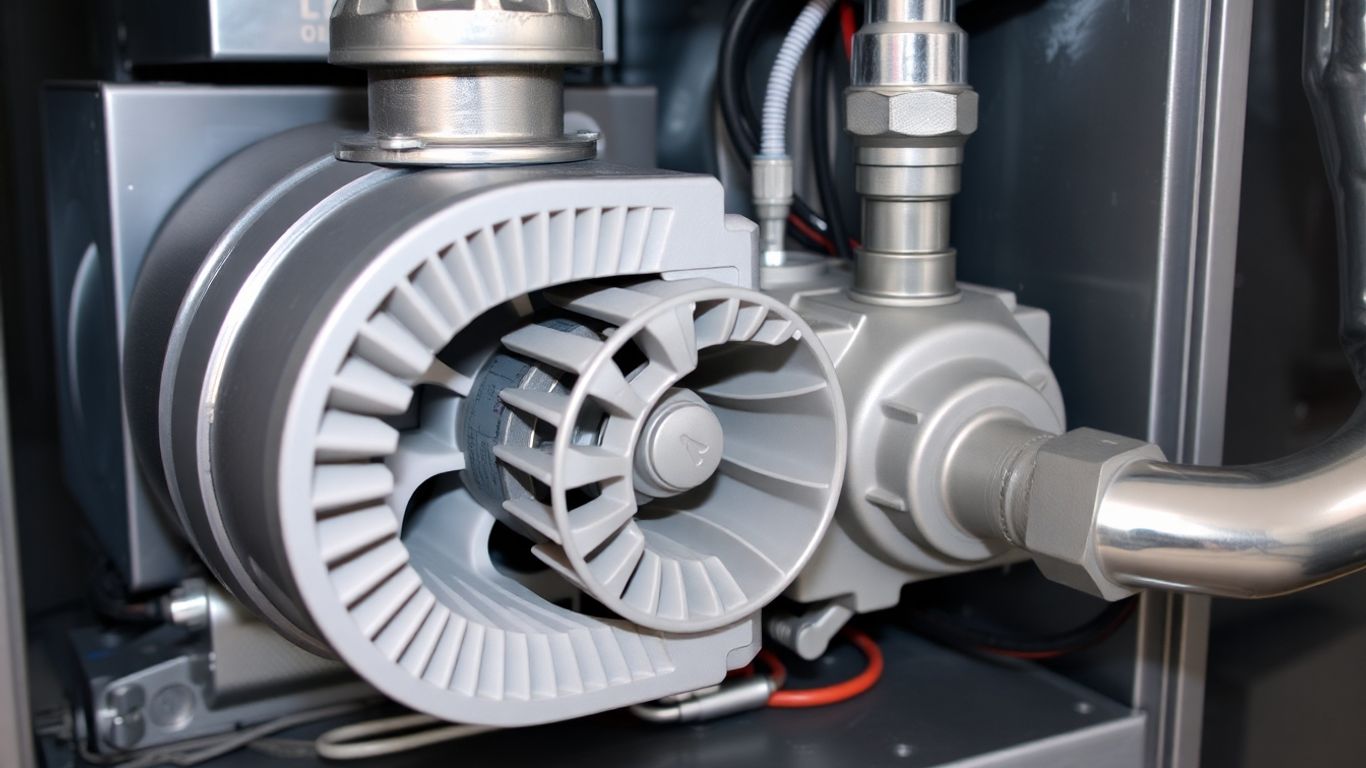
Before the cold really sets in, we need to give our furnace some attention. It’s the heart of our home’s heating, after all. A little preventative care now can save us a lot of trouble later. We should start by checking the blower motor. Listen for any strange noises when it kicks on – grinding or squealing could mean it’s time for a check-up or some lubrication. We also want to inspect the ignition system. Whether it’s a pilot light or electronic ignition, make sure it’s working reliably. If you have a gas furnace, it’s a good idea to check the gas line connections for any obvious leaks, though this is best left to a professional if you’re unsure.
Here are a few things we should look at:
- Inspect the heat exchanger: Look for any cracks or signs of rust. A damaged heat exchanger can be dangerous.
- Clean or replace the flame sensor: A dirty sensor can cause the furnace to shut off prematurely.
- Check the belts (if applicable): Worn or frayed belts on the blower motor should be replaced.
- Test the safety controls: Ensure all safety switches and limit controls are functioning correctly.
We also need to make sure the area around the furnace is clear. No storing boxes or flammable materials near it, please. That’s just asking for trouble.
Keeping the area around your furnace clear of clutter is not just about safety; it also helps with airflow, making the system work more efficiently. We don’t want anything blocking the air intake or exhaust.
If you’re not comfortable doing these checks yourself, or if you notice anything concerning, it’s always best to call in a qualified HVAC technician. They can perform a thorough inspection and tune-up to make sure everything is running smoothly and safely for the winter months.
4. Boiler
When it comes to keeping our homes warm, boilers play a big role for many of us. Before the cold really sets in, we should give our boiler a good look-over. It’s not just about turning it on; it’s about making sure it’s ready to work efficiently and safely all winter long.
First off, let’s talk about the annual check-up. If you haven’t had a professional service recently, now’s the time. They’ll look at things like the burner, the heat exchanger, and the pump to make sure everything is clean and working right. They can spot small problems before they become big, expensive ones.
Here are a few things we can do ourselves:
- Check the pressure gauge: Most boilers have a gauge that shows the water pressure. It should be within the recommended range, usually between 12 and 15 PSI when the system is cold. If it’s too low, you might have a leak. If it’s too high, it could cause damage.
- Bleed the radiators: Sometimes, air gets trapped in the radiators, making them not heat up properly. You’ll hear a gurgling sound. Using a radiator key, you can let the air out until water starts to come out. Make sure to have a cloth ready for drips.
- Inspect for leaks: Walk around your boiler and pipes. Look for any signs of water, rust, or corrosion. Even a small drip can be a sign of a bigger issue down the line.
We also need to be mindful of the system’s overall health. A well-maintained boiler uses less energy, which is good for our wallets and the environment. Plus, nobody wants a cold house when it’s freezing outside.
If your boiler is older, say over 15 years, you might want to think about its efficiency. Newer models are much better at saving energy. It’s something to consider if you’re planning upgrades.
5. Radiators
We should also give our radiators some attention before the cold really sets in. These are the workhorses that spread warmth throughout our homes, so making sure they’re in good shape is a smart move.
First off, let’s talk about bleeding them. If you’ve noticed some radiators aren’t getting as hot as they used to, or maybe only the bottom part is warm, they might have air trapped inside. This is pretty common. We’ll need a radiator key, which you can find at most hardware stores. Just place a cloth or a small container under the bleed valve, insert the key, and turn it slowly counter-clockwise. You’ll hear a hiss as the air escapes. Once water starts to drip out, close the valve. Bleeding your radiators can make a big difference in how efficiently they heat your rooms.
Next, we should check for any leaks or signs of rust. Give each radiator a good look-over. If we spot any drips or corrosion, it’s probably time to call in a professional. Small issues now can turn into bigger, more expensive problems later.
We also want to make sure nothing is blocking the heat. Furniture, curtains, or even stacks of books placed too close to radiators can stop the warm air from circulating properly. We should try to keep at least a foot of clear space around them.
Finally, for those with older cast-iron radiators, a good dusting and maybe a fresh coat of heat-resistant paint can do wonders for both their look and their performance. It’s a bit of a chore, but it’s worth it.
Keeping radiators clean and free of obstructions helps them do their job better, meaning less wasted energy and a warmer house for us.
6. Vents
We often forget about the vents, but they play a big part in how well our heating system works. Think of them as the lungs of your home’s heating. If they’re blocked or dirty, the warm air just can’t get out properly.
First off, let’s talk about clearing them. We need to make sure nothing is blocking the airflow. This means moving furniture, rugs, or anything else that might be sitting directly in front of a vent. It’s surprising how much heat can be lost just because a sofa is in the way.
Next, we should give them a good cleaning. Dust and grime build up inside and on the grates. We can use a vacuum cleaner with a brush attachment to get the worst of it off the surface. For the inside, a long, flexible brush or even a damp cloth on a stick can help. We want to remove any accumulated dust that could be recirculated.
Here’s a quick checklist for vent maintenance:
- Inspect all vents for obstructions.
- Vacuum dust from vent covers.
- Clean the interior of the vent opening if accessible.
- Check for any loose grates or damage.
Sometimes, vents can get painted over or clogged with debris from construction. If you notice a vent that seems permanently blocked or damaged, it might be time to call in a professional to see if it needs repair or replacement. We don’t want any part of the system to be a weak link when the cold really sets in.
7. Ductwork
We often forget about the network of ducts that carry our heated air throughout the house. These channels are really important for getting warm air where it needs to go. Over time, they can get dirty, leaky, or even damaged, which really messes with how well your heating system works.
First off, let’s talk about cleaning. Dust, pet hair, and other bits can build up inside your ducts. This not only makes the air quality worse, but it also blocks airflow. We recommend having your ducts professionally cleaned every few years, or more often if you have pets or allergies. It’s not a fun job, but it makes a big difference.
Next, we need to check for leaks. You might not think a small hole matters, but even tiny gaps can let a lot of warm air escape before it even reaches your rooms. This means your furnace has to work harder, using more energy, and you’re still not as warm as you should be. We usually do this by looking for obvious tears or by using a special tool that can detect air loss.
Here are some things to look out for:
- Visible damage like rips or holes
- Loose connections where ducts join
- Signs of mold or water damage
- Areas where insulation has fallen off
If you find any issues, it’s best to get them fixed. Sometimes, a simple patch with special tape is enough. For bigger problems, we might need to replace a section of ductwork. It might seem like a hassle, but properly sealed and clean ducts mean a more efficient and comfortable home all winter long. It’s all about making sure that warm air gets to every corner of your house without getting lost along the way. Think of it as giving your heating system a clear path to do its job.
8. Chimney
We often forget about the chimney when thinking about our heating system, but it’s a really important part, especially if we have a furnace or boiler that vents through it. A blocked or damaged chimney can be a serious safety hazard.
We need to make sure our chimney is clear of obstructions. Things like bird nests, leaves, or even creosote buildup can block the flue. This blockage stops smoke and dangerous gases, like carbon monoxide, from escaping properly. If that happens, those gases can back up into our home.
Here’s what we should check:
- Visual Inspection: Look up the flue from the fireplace or furnace opening if possible. See if there are any obvious blockages. We can also check the top of the chimney from the outside for debris.
- Creosote Buildup: This is a tar-like substance that forms from burning wood. It’s flammable and can cause chimney fires. If we burn wood regularly, we’ll need to have it cleaned.
- Structural Integrity: Check for any cracks in the masonry or damage to the chimney cap. Loose bricks or crumbling mortar are signs that it needs attention.
If we’re not comfortable doing this ourselves, or if we suspect a problem, we should definitely call a professional chimney sweep. They have the tools and knowledge to inspect and clean it thoroughly. It’s better to be safe than sorry when it comes to our home’s ventilation.
Getting your chimney inspected and cleaned annually is a good practice, especially before the heating season kicks into high gear. It’s a small step that can prevent big problems down the line.
9. Carbon Monoxide Detector
We often focus on keeping our homes warm, but we also need to think about safety. A silent threat can come from our heating systems if they aren’t working right: carbon monoxide. This gas is colorless and odorless, making it impossible to detect without help. That’s where a carbon monoxide detector comes in. Having working detectors on every level of your home, especially near sleeping areas, is non-negotiable.
We should check these devices regularly. It’s not enough to just install them and forget about them. Think of it like checking the batteries in your smoke alarms – it’s a simple task that can save lives.
Here’s what we should do:
- Test the detector monthly. Most have a test button; just press it to see if it sounds.
- Replace the batteries at least once a year, or when the detector chirps to signal low power.
- Check the expiration date. Like many electronics, these detectors don’t last forever and need replacing every 5-10 years, depending on the model.
If your detector ever goes off, don’t ignore it. Get everyone outside immediately and call the fire department from a safe distance. It’s better to be safe than sorry when it comes to carbon monoxide.
We need to make sure our heating system isn’t just keeping us warm, but also keeping us safe from invisible dangers. A functioning carbon monoxide detector is a key part of that safety plan.
10. Programmable Timer
We often forget about our heating system’s timer, but it’s a pretty neat tool for saving energy and money. If you have an older system, you might have a manual timer that needs adjusting every time your schedule changes. For most of us, though, we’ve got a programmable thermostat that can do the heavy lifting.
Setting it up right can make a big difference in your comfort and your utility bills. Think about when you’re actually home and need heat, and when you’re out or asleep. You don’t need to heat an empty house, right?
Here’s a simple way to think about programming:
- Wake-up: Set a comfortable temperature about 30 minutes before you usually get out of bed.
- Away: Lower the temperature by 7-10 degrees when everyone leaves for work or school.
- Home: Raise the temperature back to a comfortable level about 30 minutes before you typically return.
- Sleep: Lower the temperature again for sleeping. Many people find it easier to sleep in a cooler room.
It might take a few tries to get the schedule just right for your family’s routine. Don’t be afraid to tweak it. Some newer systems even learn your habits over time, which is pretty cool.
If your programmable timer isn’t working correctly, or if you’re unsure how to set it up, it might be worth calling a professional. Getting it programmed correctly from the start saves you hassle later on.
Ready for the Cold
So, we’ve gone over a few things to get your heating system ready for winter. Taking these steps now can really save you from a lot of trouble when the temperatures drop. It might seem like a bit of work, but trust us, a warm home is totally worth it. We hope these tips help you stay comfortable and worry-free through the colder months. Don’t wait until the first freeze to think about it; get ahead of the game and give your system some attention now. You’ll thank yourself later when you’re nice and toasty inside.
Frequently Asked Questions
How often should we check our air filters?
We recommend checking your air filters at least once a month. If they look dirty or clogged, it’s time to swap them out. Dirty filters make your heating system work harder and can lead to problems.
What if our heating system makes strange noises?
If we hear any unusual sounds, like banging, rattling, or whistling, from our furnace or boiler, it’s a good idea to call a professional. These noises often signal that something needs attention before it becomes a bigger issue.
Why is it important to bleed our radiators?
We should bleed our radiators at the start of the heating season to let out any trapped air. Air pockets can stop the radiator from getting hot all over, making our rooms colder and our heating system less efficient.
