


Winter’s coming, and you know what that means – your heating system is about to get a serious workout. The last thing anyone wants is a furnace that quits when it’s freezing outside. Luckily, your heating system usually gives you some hints when it’s not feeling its best. Paying attention to these signs can save you from a lot of headaches and cold nights. Let’s talk about what to look out for so you can get any needed Heating Repair done before the real chill sets in.
Key Takeaways
- Strange noises like banging or rattling coming from your furnace are a clear sign something needs a look.
- If some rooms are colder than others, your heating system might be struggling to keep up.
- Your energy bills going up without a good reason could mean your furnace isn’t working as efficiently as it should.
- A furnace that turns on and off too quickly, known as short cycling, is usually a sign of a problem.
- Unusual smells, like burning or gas, should never be ignored and point to a potential safety issue.
1. Unusual Noises
Your heating system is usually pretty quiet, maybe just a low hum when it kicks on. But if you’ve started hearing new sounds, it’s definitely worth paying attention to. These noises are often your furnace’s way of telling you something’s not quite right.
What kind of sounds are we talking about? Well, it could be anything from a persistent rattling or a loud banging to a high-pitched squeal or even a grinding noise. These aren’t just random sounds; they usually point to specific issues happening inside the unit. For instance, rattling might mean a loose part is vibrating, while a grinding sound could indicate a problem with the motor or fan bearings. A squeal could be a worn-out belt. It’s like your furnace is trying to get your attention before a small problem turns into a big, expensive one.
Here are some common noises and what they might mean:
- Banging: Could be related to ductwork expanding and contracting, or possibly an issue with the heat exchanger.
- Rattling: Often a sign of loose parts, debris in the blower assembly, or even a failing blower motor.
- Screeching/Squealing: This might point to a worn-out belt or a problem with the fan motor.
- Clicking: While some clicking is normal during startup, persistent clicking could signal an ignition problem.
Don’t just turn up the TV to drown out the noise. These sounds are important clues. Ignoring them could lead to a breakdown when you need your heat the most, and nobody wants that when it’s freezing outside. Getting a professional to check it out early can save you a lot of hassle and money down the line. You can find local pros who can help with furnace repair.
If you’re hearing any of these sounds, it’s a good idea to have a technician take a look. They can pinpoint the exact cause and fix it before it gets worse.
2. Inconsistent Heating
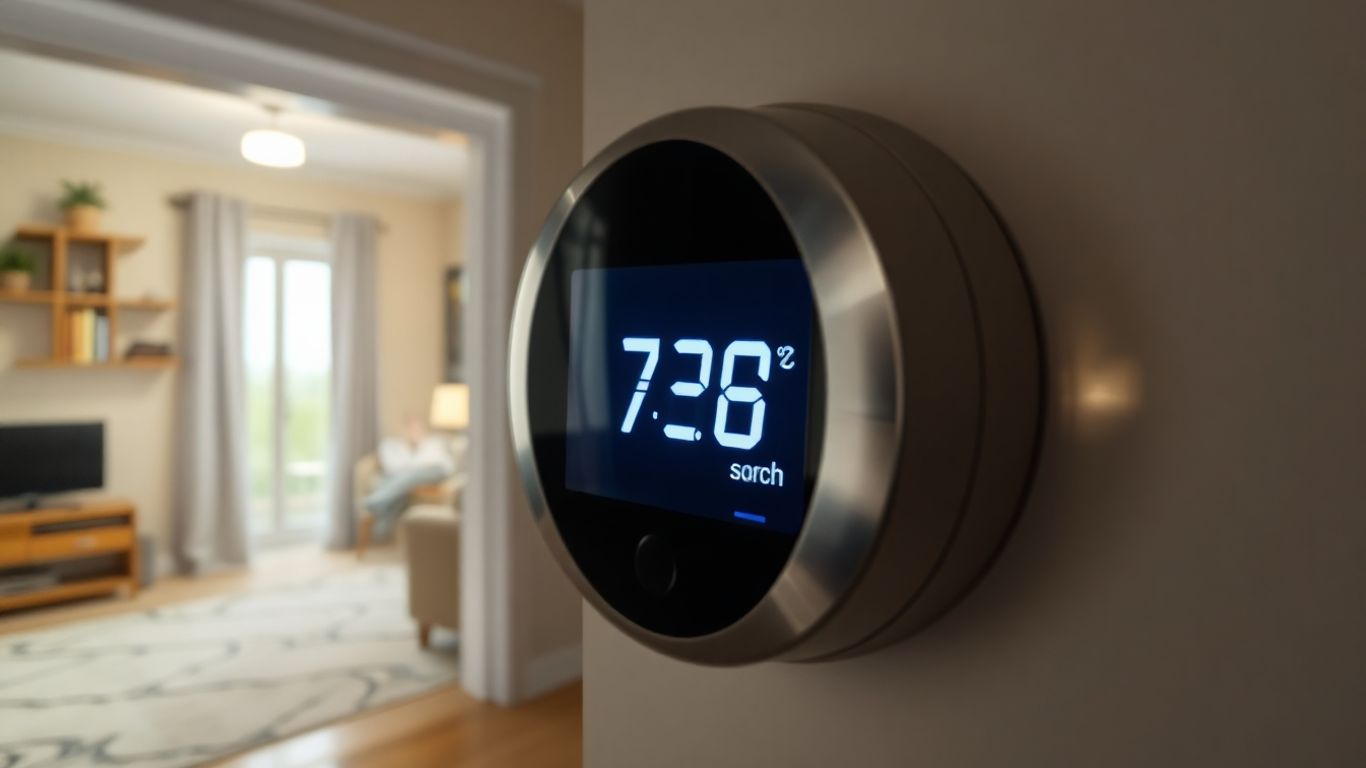
You know that feeling when you walk into one room and it’s like a sauna, but then you step into the next and you’re practically shivering? That’s inconsistent heating, and it’s a pretty big red flag for your furnace. It means your system isn’t distributing warm air evenly throughout your home. This isn’t just about comfort, though that’s a big part of it. It often points to underlying issues that are making your furnace work harder than it needs to.
What could be causing these cold spots or uneven temperatures?
- Blocked Vents or Ducts: Furniture, rugs, or even just a build-up of dust can stop air from flowing freely. If your ducts are clogged with debris, the warm air just can’t get where it needs to go.
- Thermostat Problems: Your thermostat is the brain of the operation. If it’s not calibrated correctly or is failing, it might be telling the furnace to turn off too soon or not kick on when it should.
- Blower Fan Issues: The blower fan is responsible for pushing the heated air through your ducts. If it’s not working at full power or is malfunctioning, the air won’t reach all the rooms effectively.
- Leaky Ducts: Even if the air is heated, if your ductwork has holes or leaks, a lot of that warm air is escaping into your attic or crawl spaces before it even gets to your living areas.
Ignoring uneven heating means your furnace is likely running longer cycles to try and compensate for the areas that aren’t getting warm enough. This wastes energy and puts extra strain on your system, potentially leading to bigger problems down the line. It’s like trying to fill a bucket with a hole in it – you’re just burning fuel for nothing.
If you’re noticing some rooms are significantly warmer or colder than others, it’s definitely time to get a professional to take a look. They can check your vents, ducts, thermostat, and blower to figure out exactly why your home isn’t heating evenly and get it fixed before the really cold weather hits.
3. Strange Odors
Okay, so your furnace is making weird noises, but what about smells? If you’re catching any odd scents wafting from your vents, it’s definitely worth paying attention to. A persistent burning smell is a major red flag. While a faint whiff of something burning might happen the very first time you fire up the furnace after it’s been off all summer (that’s usually just dust burning off), if the smell sticks around or gets stronger, it could mean trouble.
Think about it: what could be causing it?
- Electrical issues: Wires could be overheating or shorting out. That’s not good.
- Mechanical problems: A motor or fan belt might be rubbing against something it shouldn’t be.
- Gas leaks: This is the most serious one. If you smell rotten eggs, turn off your furnace immediately and get out of the house. Call your gas company or 911 from a safe distance.
Beyond burning, you might notice a musty or mildewy smell. This often points to a problem with moisture buildup somewhere in the system, maybe in the ductwork or near the unit itself. It’s not just unpleasant; that dampness can encourage mold growth, which isn’t great for your air quality.
Don’t just try to ignore these smells. They’re your heating system’s way of telling you something needs a look. A quick check now could save you from a much bigger, more expensive problem later on, not to mention a potentially dangerous situation.
4. Rising Energy Bills
Have you noticed your electricity or gas bill creeping up lately, even though you swear you haven’t been using the heater any more than usual? That’s a pretty common sign that something’s not quite right with your furnace.
When your heating system starts to struggle, it has to work a lot harder to keep your house warm. Think of it like trying to run a marathon with a bad knee – it takes way more effort. This extra effort means it’s sucking up more power (or gas) than it should. All that extra work eventually shows up on your monthly bill, and it’s usually not a small jump either.
Here are a few reasons why this might be happening:
- Dirty Air Filters: A clogged filter makes your system work harder to pull air through. It’s like trying to breathe through a thick blanket.
- Worn-Out Components: Parts inside your furnace can get old and less efficient, meaning they need more energy to do their job.
- Leaky Ductwork: If the warm air is escaping through holes in your ducts before it even gets to your rooms, your system has to run longer to compensate.
- Thermostat Issues: A faulty thermostat might be telling your system to run more often than it needs to.
Paying more for heat without getting more heat is a clear signal that your system is losing efficiency. Getting it checked out before the really cold weather hits can save you a lot of money and a lot of headaches down the line. It’s often a fixable problem that can restore your system’s efficiency and bring those bills back down to normal.
5. Frequent Cycling
Does your furnace seem to have a mind of its own, kicking on and off every few minutes? This isn’t just annoying; it’s a sign your heating system might be struggling. This behavior, often called "short cycling," means the furnace isn’t completing a full heating cycle before shutting down and then restarting.
This constant starting and stopping puts a lot of extra stress on your system’s components. It’s like revving a car engine constantly instead of letting it run smoothly. Over time, this can lead to premature wear and tear, potentially causing bigger problems down the road.
Several things can cause short cycling:
- Dirty Air Filter: A clogged filter restricts airflow, making the furnace overheat and shut off prematurely.
- Thermostat Issues: A faulty or improperly placed thermostat might be sending incorrect signals.
- Overheating: Internal components could be getting too hot, triggering safety shut-offs.
- Undersized System: If your furnace is too small for your home, it might struggle to reach the set temperature, leading to frequent cycles.
Ignoring short cycling can lead to more serious damage and higher energy bills as the system works inefficiently. It’s best to have a professional take a look to figure out exactly why it’s happening before it leads to a complete breakdown.
If you notice your furnace acting like a nervous wreck, it’s probably time to call in an HVAC technician to diagnose the issue and get it running smoothly again before the real cold hits.
6. Discolored or Flickering Pilot Light
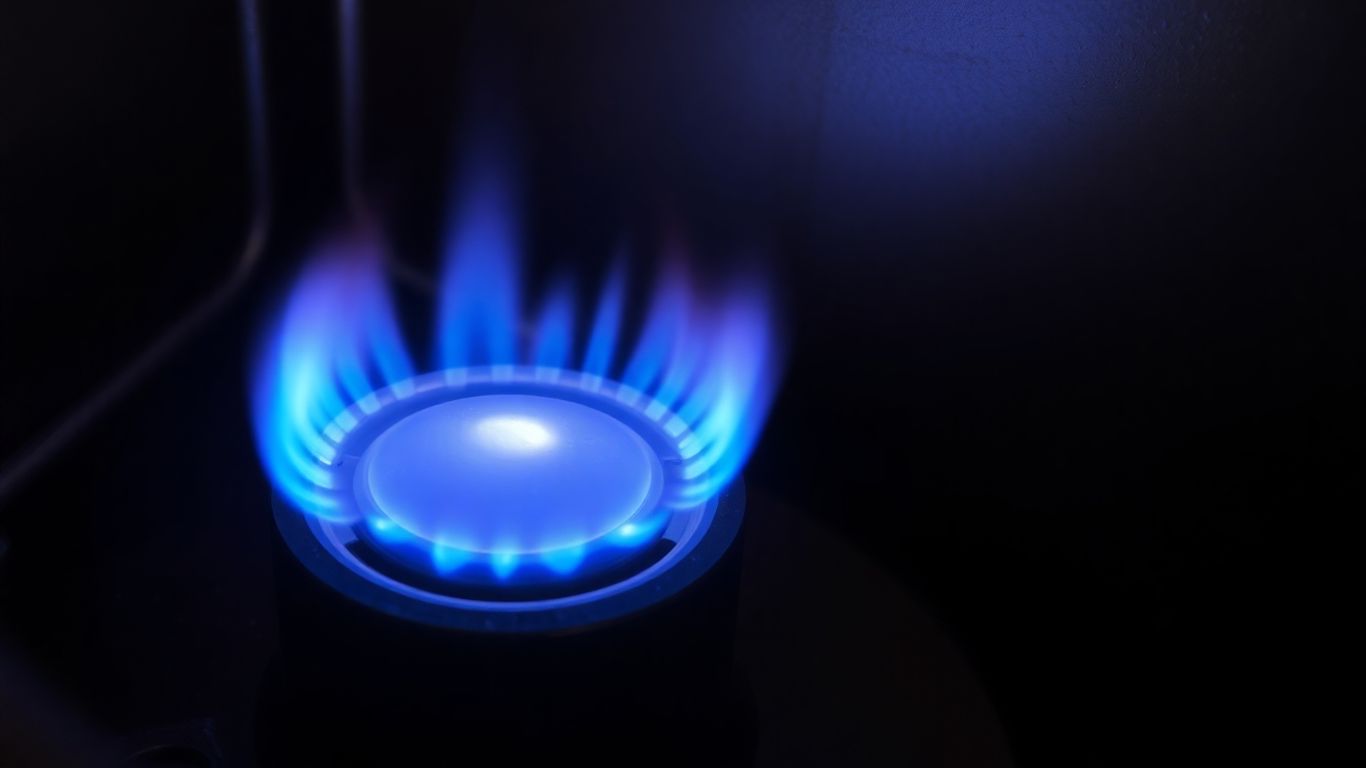
If your furnace has a pilot light, it’s supposed to be a steady, calm blue flame. Think of it like a tiny, reliable beacon of warmth. But if you start noticing that flame turning yellow, orange, or even flickering like a nervous candle, that’s your furnace sending up a flare. This isn’t just an aesthetic issue; it’s a potential warning sign.
A blue flame means your gas is burning cleanly and efficiently. When that flame changes color, it often points to incomplete combustion. This could mean a few things are going on under the hood. Maybe the burner is dirty, or perhaps the gas-to-air mixture isn’t quite right. Whatever the specific cause, it’s a signal that your furnace isn’t operating as it should.
Why does this matter so much? Well, besides the fact that an inefficient furnace costs more to run, an improper burn can lead to the production of carbon monoxide (CO). This is a colorless, odorless gas that can be incredibly dangerous. It’s the kind of thing you absolutely don’t want building up in your home, especially when the windows are sealed shut for the winter.
So, if you see a discolored or flickering pilot light, don’t just ignore it. It’s your furnace’s way of telling you it needs a check-up. It’s better to have a technician take a look and sort it out now, rather than wait for a bigger problem to develop when the temperatures really start to drop.
7. Humidity Problems Indoors
Your furnace does more than just heat your home; it also plays a part in keeping the air’s moisture level just right. If you’ve noticed your skin feeling extra dry lately, or maybe static shocks are becoming a regular thing, that could mean your home is too dry. On the flip side, if you’re seeing condensation build up on your windows or noticing a general musty smell, your home might be too humid. These shifts in humidity aren’t just uncomfortable; they can be a sign that your heating system isn’t working as it should.
It’s easy to blame the weather, but often, the furnace itself is involved. It could be that the system isn’t distributing air properly, or maybe a connected humidifier or dehumidifier is acting up. Ignoring these signs can lead to more than just discomfort. Dry air can damage wooden furniture and even your home’s structure over time, while excess humidity can encourage mold growth.
Here’s what to look out for:
- Unusual Dryness: Dry skin, chapped lips, static electricity, and even nosebleeds can indicate low humidity.
- Excessive Humidity: Condensation on windows, a damp feeling in the air, and musty odors point to high humidity.
- Impact on Belongings: Wood furniture or musical instruments might warp or crack in overly dry conditions.
Getting your system checked out can help figure out if the furnace, a separate humidity control unit, or the overall ventilation is the culprit. Fixing it can bring your home’s humidity back to a comfortable and healthy level before winter really sets in.
8. Test Carbon Monoxide Detectors
Okay, so this one is super important, and honestly, it’s not even directly about your furnace’s mechanics, but it’s tied in. If you have a gas, oil, or propane heating system, you absolutely need to make sure your carbon monoxide (CO) detectors are working. Think of them as your home’s silent alarm for a gas that you can’t see, smell, or taste. Regularly testing these detectors is non-negotiable for your family’s safety.
It’s easy to forget about them, especially when you’re busy prepping for winter. But here’s the deal: when your heating system kicks into high gear during those cold months, the risk of CO leaks goes up. You don’t want to be caught off guard.
Here’s what you should do:
- Test each detector: Push the test button to confirm it’s operational. Do this monthly if you can.
- Check the batteries: If the detector chirps or fails the test, swap out the batteries. It’s a good idea to replace them at least once a year, even if they seem fine. You can find replacement batteries at most hardware stores.
- Know where they are: Make sure you have detectors on every level of your home, especially near sleeping areas. If you don’t have any, get them installed ASAP. It’s a small investment for huge peace of mind.
Carbon monoxide is a dangerous gas that can build up silently from your heating system if something isn’t right. Having working detectors is your first line of defense. Don’t skip this step; it’s a critical part of winterizing your home’s safety features.
If you’re unsure about your detectors or want to learn more about CO safety, checking out resources on home safety is a good start.
9. Check the Pilot Light or Ignition System
If your heating system relies on a pilot light, pay close attention to its flame. A steady, blue flame is what you want to see. If it’s flickering, yellow, or orange, that’s a sign something’s not quite right. This could mean a dirty burner, an issue with the gas mixture, or even a ventilation problem. These aren’t just minor annoyances; they can affect how efficiently your furnace runs and, more importantly, safety. A yellow flame, for instance, can indicate incomplete combustion, potentially leading to carbon monoxide buildup. It’s definitely something to get checked out by a professional.
For systems with electronic ignition, give it a test run. When the thermostat calls for heat, does the igniter glow and the burner light up promptly? If you hear clicking but no ignition, or if it takes a few tries, that’s a red flag. These ignition systems are pretty straightforward, but when they falter, your furnace won’t start, leaving you in the cold.
Here’s a quick rundown of what to look for:
- Pilot Light Color: Should be a consistent blue.
- Pilot Light Stability: No flickering or wavering.
- Ignition Sequence (Electronic): Quick and reliable start-up when heat is needed.
Don’t wait until the first really cold snap to discover your pilot light or ignition system is on the fritz. Getting it looked at now can save you a lot of hassle and keep your home warm. If you’re unsure about checking it yourself, it’s always best to call in a qualified technician for a quick furnace inspection.
10. Inspect the Chimney or Flue
Don’t forget about the chimney or flue if your heating system uses one to vent. This is where all the exhaust gases go, and if it’s blocked, those gases can come back into your house. That’s a big safety problem, especially with things like carbon monoxide.
What kind of stuff can block it up? Think about things like:
- Bird nests
- Leaves and other debris
- Creosote buildup from burning fuel
A blocked flue can be seriously dangerous, so it’s really important to get it checked out. It’s a good idea to have a professional look at your chimney and clean it at least once a year. If you use a wood-burning stove or fireplace, you’ll want to be even more on top of this. Keeping the flue clear helps your heating system run safely and efficiently, making sure you stay warm and safe all winter long.
Don’t Get Left in the Cold!
So, we’ve gone over some of the main ways your heating system might be telling you it needs a little attention before winter really kicks in. Ignoring these signs is kind of like ignoring a weird noise your car makes – it usually doesn’t end well. A little check-up now, maybe a small repair, can save you a whole lot of hassle, not to mention a freezing cold house and a big repair bill later on. It’s always better to be safe and warm than sorry and shivering. Give your furnace a little love before the snow flies, and you’ll thank yourself when the temperature really drops.
Frequently Asked Questions
What are the most common signs my heating system needs a check-up?
Watch out for weird noises like banging or rattling, rooms that are different temperatures, your heater turning on and off too much, higher energy bills than usual, or strange smells. These are all clues that your system might need some fixing before winter really kicks in.
Why is my house colder in some rooms than others?
This usually means your heating system isn’t spreading the warm air evenly. It could be a problem with the air ducts, the fan that blows the air, or even the thermostat. Getting this fixed ensures your whole house stays comfy.
What does it mean if my furnace turns on and off a lot?
This is called ‘short cycling.’ It means your furnace is starting and stopping too often. It can be caused by things like a dirty air filter, a thermostat that’s not working right, or the system getting too hot. It’s not good for the heater and can waste energy.
How can I tell if my heating system is less efficient?
A big clue is when your energy bills go up, but you haven’t used more heat. As heating systems get older or need repairs, they have to work harder to warm your home, which uses more electricity or gas. This means more money out of your pocket.
Are strange smells from my furnace dangerous?
Yes, some smells can be a sign of trouble. A burning smell could mean an electrical issue, while a rotten egg smell might indicate a gas leak. It’s always best to get these checked out right away by a professional to ensure safety.
How often should I get my heating system professionally checked?
It’s a good idea to have a professional inspect and tune up your heating system once a year, ideally before the cold weather starts. This helps catch small problems before they become big, expensive ones and ensures your system is ready for winter.
