


In our homes today, keeping a comfortable temperature is getting smarter. We’re seeing a lot of new ways technology is changing how we heat our houses. It’s not just about turning a dial anymore. We can now control things from our phones and have systems that learn what we like. This article looks at how these changes in residential HVAC technology are making our homes more comfortable and saving us money on energy bills. We’ll explore some of the latest developments that are becoming common in many households.
Key Takeaways
- Smart thermostats let us control our home’s heating from anywhere using our phones. They can also learn our routines to save energy.
- New heating systems are designed to use less power, which is good for our wallets and the environment.
- We can set different temperatures for different rooms with zoning systems, making everyone in the house happy and avoiding wasted heat.
Advancements in Residential HVAC Technology
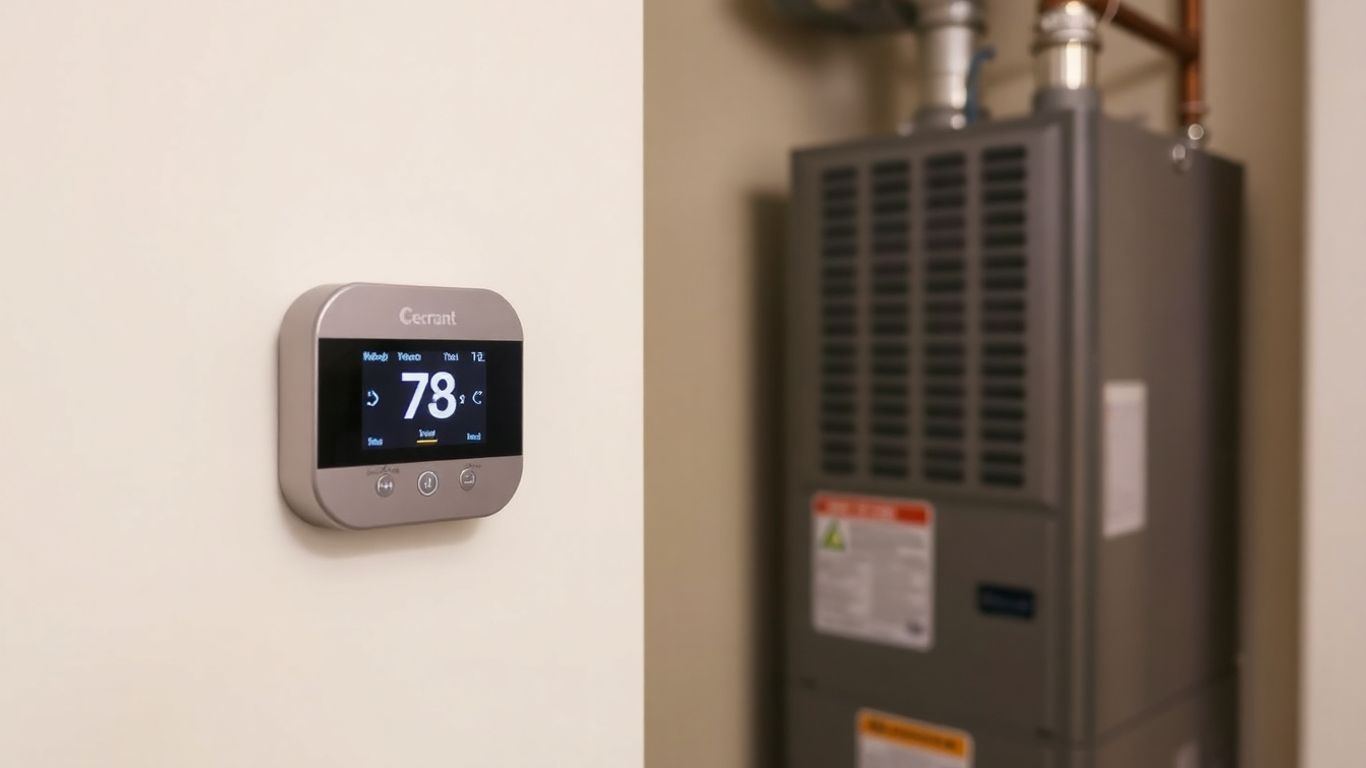
We’ve seen some pretty big changes in how we heat our homes lately. It’s not just about turning a dial anymore. The systems we use now are way smarter and more efficient than they used to be. These new technologies are changing the game for home comfort and energy use.
Smart Thermostats and Remote Control
Remember fiddling with those old manual thermostats? We’ve come a long way. Smart thermostats are now a common sight, and for good reason. They learn our habits and adjust the temperature automatically, saving us money and hassle. Plus, being able to control your home’s heating from your phone, whether you’re at work or on vacation, is a real game-changer. We can pre-heat the house before we get home on a cold day or turn it down if we forget to when leaving. It’s all about convenience and efficiency.
Here’s a quick look at what makes them so useful:
- Learning Capabilities: They track when you’re home and away, adjusting settings accordingly.
- Remote Access: Control via smartphone apps from anywhere.
- Energy Reports: Many provide data on your heating usage, helping you find ways to save.
- Integration: Some can work with other smart home devices.
Energy-Efficient Heating Solutions
Beyond smart controls, the actual heating units themselves have gotten much better. We’re seeing a big push towards systems that use less energy to produce the same amount of heat, or even more. This includes things like high-efficiency furnaces, heat pumps that can work in colder climates, and even boilers that are designed to be much more economical. The goal is simple: keep our homes warm without breaking the bank or using up too much of the planet’s resources.
Consider these points:
- Higher AFUE Ratings: For furnaces, Annual Fuel Utilization Efficiency (AFUE) ratings are climbing, meaning less fuel is wasted.
- Heat Pump Improvements: Modern heat pumps are much more effective in cooler temperatures than older models.
- Zoning Compatibility: Many new systems are designed to work with zoning, allowing for more precise temperature control in different parts of the house.
The shift towards more efficient heating isn’t just about saving money on utility bills, though that’s a big perk. It’s also about reducing our overall environmental footprint. As technology advances, we can achieve greater comfort with less impact.
We’re also seeing more options for different types of heating, like ductless mini-split systems, which are great for additions or homes without existing ductwork. They offer individual room control and can be very energy-smart.
Integrating Technology for Optimal Home Comfort
We’re seeing a big shift in how we manage our homes’ temperatures, moving beyond just setting a dial. Technology is really stepping in to make things more precise and, frankly, more comfortable for everyone under our roofs. It’s not just about heating; it’s about creating a personalized environment.
Zoning Systems for Personalized Climate Control
Think about it: not every room in the house needs to be the same temperature all the time. Maybe the guest room is usually empty, or the home office gets warm from the computer. Zoning systems let us tackle this. We can set up different temperature zones throughout the house, controlled independently. This means we’re not wasting energy heating or cooling spaces that aren’t being used. It’s a pretty smart way to save money and make sure everyone’s happy.
Here’s a basic idea of how it works:
- Installation: Special dampers are installed in the ductwork. These dampers can open or close to control airflow to specific areas.
- Control: Each zone gets its own thermostat. We can set different temperatures for each zone.
- Operation: When a thermostat calls for heat or cool, the system opens the dampers for that zone and closes them for others.
This level of control means we can finally stop the arguments about whether it’s too hot or too cold in different parts of the house.
Advanced Air Quality Monitoring
Beyond just temperature, the air we breathe inside our homes matters a lot. Modern heating systems are starting to include features that monitor and improve air quality. We’re talking about things like:
- Humidity Control: Keeping humidity at the right level can prevent mold growth and make the air feel more comfortable.
- Particle Filtration: Better filters can catch dust, pollen, and other small particles, which is great for people with allergies.
- CO2 Monitoring: Some systems can even track carbon dioxide levels, letting us know when it’s time to ventilate.
We’ve found that paying attention to air quality alongside temperature makes a noticeable difference in how ‘fresh’ a home feels. It’s about creating a healthier living space, not just a warm one.
These integrated systems are changing the game, making our homes more responsive, efficient, and healthier places to live.
Wrapping Up: Our Heated Future
So, as we’ve seen, technology has really changed how we heat our homes. It’s not just about turning a dial anymore. We’ve got smart thermostats that learn our habits and systems that can be controlled from our phones. This means we can be more comfortable and, importantly, use less energy. It’s a big shift from the old days. We think this trend will keep going, with even smarter and more efficient heating solutions coming our way. Keeping our homes warm is important, and doing it with less waste feels like the right path forward for all of us.
Frequently Asked Questions
How do smart thermostats help us save energy?
Smart thermostats are like clever brains for our heating and cooling. We can program them to lower the heat when we’re not home or asleep, and then warm things up just before we return or wake up. Many let us control them from our phones, so we don’t waste energy heating an empty house. It’s a simple way we can cut down on our energy bills and be kinder to the planet.
What are zoning systems, and why are they useful?
Imagine having different temperature settings for different parts of our house. That’s what zoning systems do! Instead of heating or cooling the whole house the same way, we can set specific temperatures for rooms we use more often. This means we don’t waste energy warming up empty bedrooms or unused basements. It helps us stay comfortable where we need it most and saves us money on our energy use.
How does technology improve the air we breathe indoors?
Modern heating systems often come with advanced features that clean the air. We’re talking about filters that catch dust, pollen, and other tiny particles, making the air much cleaner. Some systems can even monitor humidity levels, preventing mold growth and keeping the air from getting too dry or too damp. This technology helps us create a healthier and more comfortable living space for everyone.
