


Spring is here, and with it come those unpredictable thunderstorms. While we might enjoy the rain, our HVAC systems can be quite vulnerable. Power surges, often caused by lightning, can cause real damage to the sensitive parts of your air conditioning and heating equipment. We need to think about how to keep our homes comfortable and our systems running smoothly, especially when the weather gets wild. Let’s talk about how we can protect our HVAC units from these electrical storms.
Key Takeaways
- Lightning strikes and the resulting power surges pose a significant risk to HVAC systems, potentially damaging delicate electronic components.
- Installing dedicated HVAC surge protection is a smart way to guard your equipment against electrical disturbances common during thunderstorms.
- Choosing the right surge protector and having it installed by a professional are important steps for effective HVAC surge protection.
Understanding The Risks To Your HVAC System
Spring thunderstorms can bring more than just a welcome break from winter. They often come with a serious threat to our home’s comfort systems, especially our HVAC units. We often don’t think about it, but these systems are complex and contain sensitive electronics that can be quite vulnerable.
How Lightning Strikes Impact HVAC Equipment
Lightning is a powerful force of nature, and its direct or nearby strikes can cause significant damage. When lightning hits close to your home, it can send a massive electrical surge through the ground and any connected wiring, including the lines that power your HVAC system. This surge can overload and fry components like the compressor, fan motor, or control board. Even if the strike isn’t direct, the electromagnetic pulse generated can induce damaging currents in the system’s wiring. The sheer voltage and amperage involved are far beyond what most HVAC components are designed to handle. It’s not just about the big, dramatic strikes either; smaller, indirect surges can also cause gradual wear and tear, leading to premature failure.
The Threat Of Power Surges To Sensitive Electronics
Beyond the direct impact of lightning, power surges are a constant worry during stormy weather. These surges aren’t always caused by lightning; they can also happen when the power grid tries to stabilize after an outage or when large appliances cycle on and off. Your HVAC system, particularly the modern ones with their sophisticated control boards and sensors, relies on delicate electronic components. These parts are designed to operate within a specific voltage range. When a power surge occurs, it sends a jolt of electricity that exceeds this safe range. This can cause immediate damage, like burning out circuit boards, or it can lead to intermittent problems that are harder to diagnose. Think of it like trying to run a tiny radio on a car battery – it’s just too much power for the delicate parts. We’ve seen systems that start acting strangely after a surge, with thermostats giving false readings or the unit failing to start altogether. It’s a real headache to deal with, and often, the damage isn’t immediately obvious, leading to more costly repairs down the line.
Implementing Effective HVAC Surge Protection
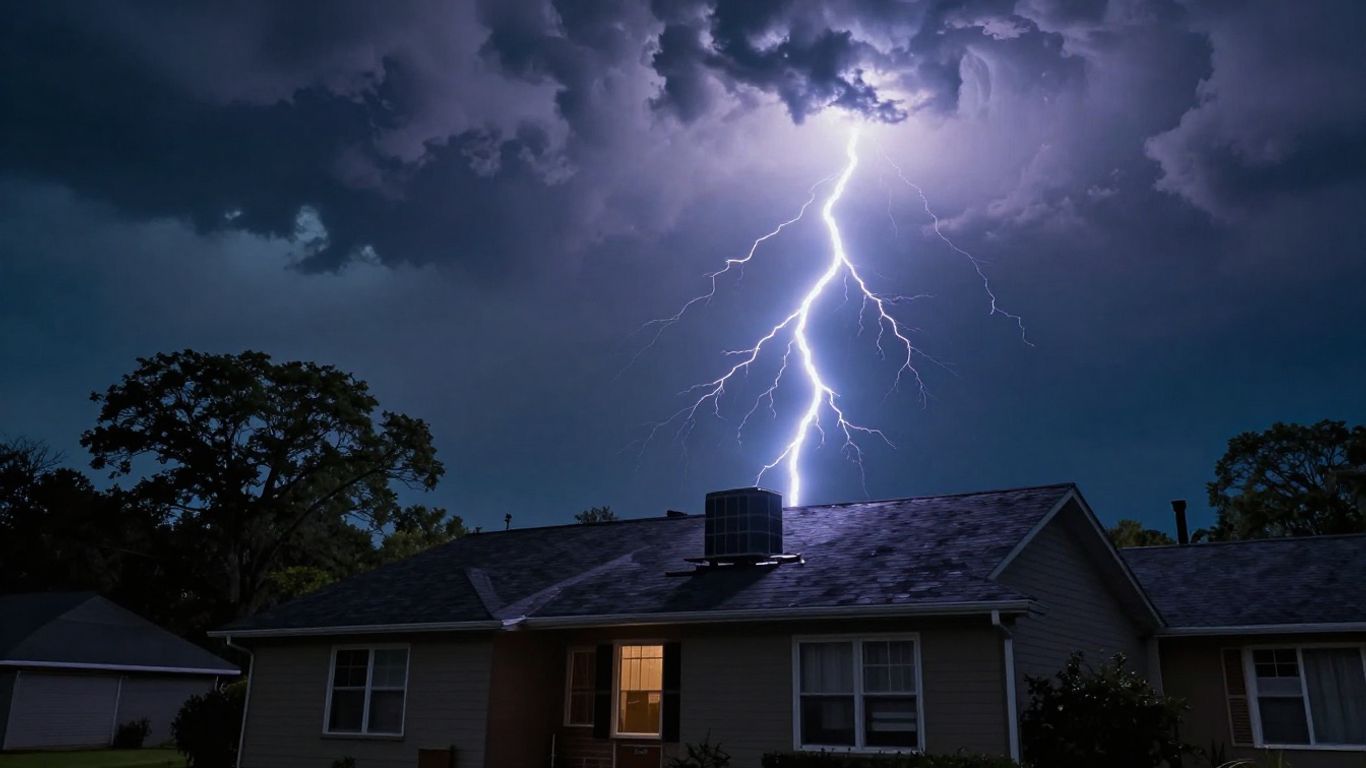
When spring thunderstorms roll in, we know our HVAC systems are at risk. Power surges, often triggered by lightning, can wreak havoc on the sensitive electronics inside your air conditioner or furnace. That’s why we need to talk about putting good surge protection in place. Protecting your HVAC unit from electrical spikes is a smart move that can save you a lot of money and hassle down the road.
Choosing The Right Surge Protector For Your HVAC Unit
Not all surge protectors are created equal, especially when it comes to something as important as your HVAC system. We need to look for protectors specifically designed for this kind of application. A whole-house surge protector is often the best bet. These get installed right at your main electrical panel, giving protection to all the circuits in your home, including the one powering your HVAC.
When picking one out, check the joule rating. A higher joule rating means the protector can absorb more energy before failing. For HVAC, we’re generally looking for something with a rating of at least 1000 joules, but more is usually better. Also, consider the clamping voltage. This is the voltage level at which the protector starts to divert excess electricity. A lower clamping voltage offers better protection. We want to see a clamping voltage of 400 volts or less.
Here’s a quick look at what to consider:
- Joule Rating: Higher is better. Aim for 1000+ joules.
- Clamping Voltage: Lower is better. Look for 400V or less.
- Response Time: How quickly it reacts to a surge. Faster is always preferred.
- Indicator Lights: Lets you know if the protector is still working.
Professional Installation Of HVAC Surge Protection
While you might be tempted to tackle this yourself, we strongly recommend professional installation for HVAC surge protectors. These devices connect directly to your home’s electrical system.
Working with high-voltage electricity is dangerous. Improper installation can not only damage your HVAC system but also create a fire hazard or even lead to electrical shock. It’s just not worth the risk.
Here’s why we always call in the pros:
- Safety First: Electricians have the training and tools to work safely with your home’s wiring.
- Correct Placement: They know the best spot to install the surge protector for maximum effectiveness, usually at the main panel.
- System Compatibility: A professional can confirm the surge protector is compatible with your specific HVAC unit and electrical setup.
- Warranty Protection: Many surge protector manufacturers require professional installation to keep the warranty valid.
Wrapping Up
So, as we head into the heart of spring storm season, we’ve talked about why protecting our HVAC systems from power surges is a good idea. It’s not just about avoiding a costly repair bill right now; it’s about keeping our homes comfortable all year round. We looked at what causes these surges and the simple steps we can take, like installing surge protectors, to give our air conditioners and heaters a fighting chance. It might seem like a small thing, but a little bit of preparation can go a long way in preventing a big headache down the line. Let’s make sure our HVAC units are ready for whatever the weather throws at them.
Frequently Asked Questions
Why do we need to worry about lightning and power surges hurting our air conditioner when it storms?
When thunderstorms roll in, lightning can cause big, sudden jumps in electricity, called power surges. These surges can travel through the power lines and into our homes, zapping delicate parts of our HVAC system. Think of it like a tiny computer inside your AC; too much power can fry its circuits, leaving us without cool air.
What kind of surge protector is best for our air conditioning unit?
We should look for a surge protector specifically made for HVAC systems. These are usually a bit more heavy-duty than the ones we might use for our TVs or computers. It’s wise to check the protector’s rating to make sure it can handle the amount of electricity your AC uses. Sometimes, a professional can help us pick the right one.
Is it a good idea to have a professional install the surge protection for our AC?
Yes, we strongly recommend having a qualified technician install the surge protector. They know exactly where to connect it safely and correctly. Improper installation could not only be dangerous but also might not protect our system as well as it should. It gives us peace of mind knowing it’s done right.
