


Spring is here, and with it come those dramatic thunderstorms. We all know how exciting the weather can be, but it can also pose a real threat to our home’s HVAC system. Lightning strikes can send powerful electrical surges through our homes, and these surges are not kind to sensitive electronics. We’ve been looking into how to keep our air conditioning and heating units safe from this kind of damage, and it turns out there are some straightforward steps we can take. Let’s talk about protecting our home HVAC systems.
Key Takeaways
- Electrical surges from lightning can seriously harm your HVAC equipment, leading to costly repairs or replacements.
- Installing dedicated surge protectors is a smart way to defend your home HVAC system against these power spikes.
- Getting professional help for installing home HVAC surge protection makes sure it’s set up right and works effectively.
Understanding Lightning’s Impact on Your Home HVAC
How Electrical Surges Damage HVAC Components
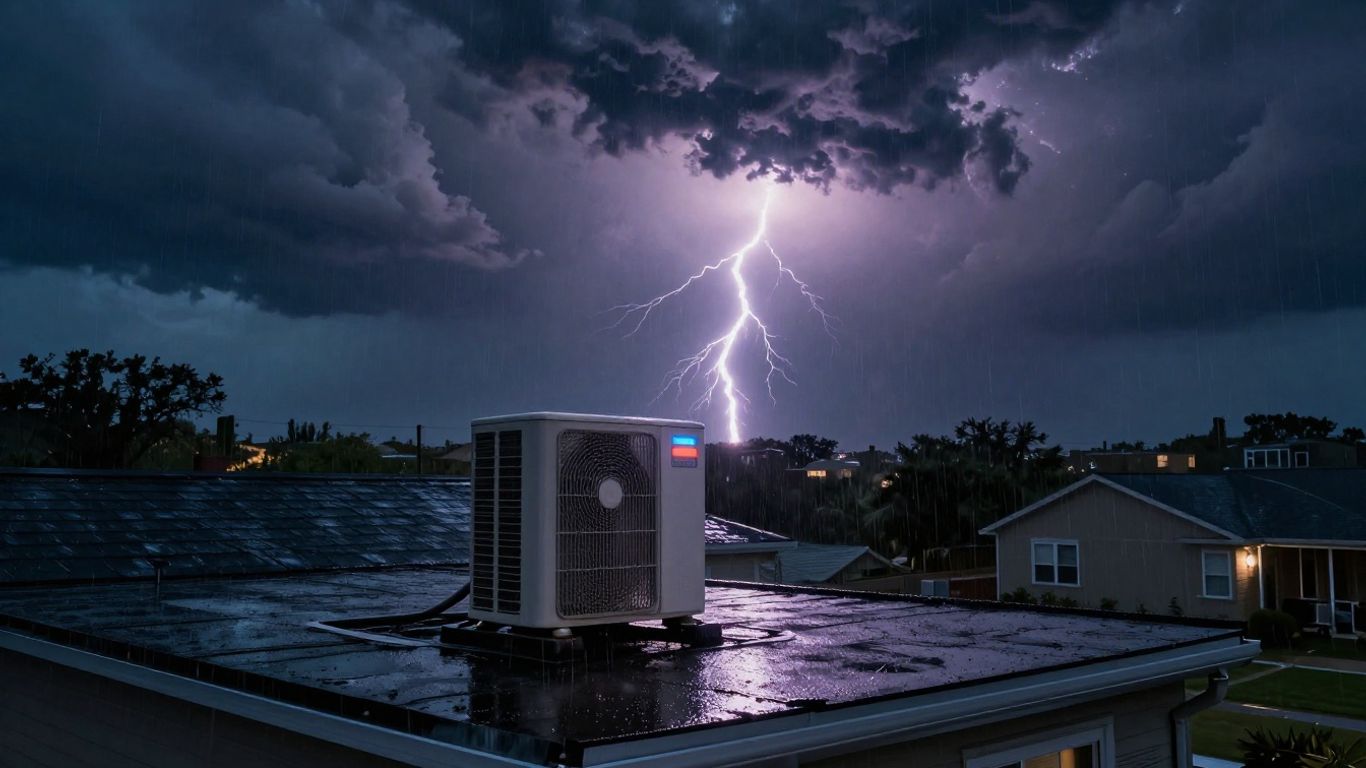
Spring thunderstorms can bring more than just rain; they often bring lightning, and with it, powerful electrical surges. When lightning strikes near our homes, it doesn’t need to hit directly to cause problems. The electrical current can travel through the ground and into our utility lines, creating a surge that travels through the wiring. This surge is like a sudden, massive jolt of electricity. For sensitive electronics and mechanical parts found in modern HVAC systems, this can be devastating. Think of it like a tiny computer chip getting zapped – it just can’t handle that kind of power. Components like the compressor, control boards, and even fan motors are particularly vulnerable. These parts are designed to work within specific electrical parameters, and a surge can overload them, leading to burnout or physical damage. We’ve seen systems fail completely after a nearby lightning strike, even if the power didn’t go out. It’s the invisible damage that often causes the most trouble.
The Risks of Unprotected Air Conditioning Systems
Our air conditioning systems, especially, are complex and have many electrical parts. The outdoor unit, with its compressor and fan, is exposed to the elements and connected directly to the home’s electrical system. When a surge hits, it can travel through the wiring and fry the delicate circuitry that controls the AC’s operation. This can mean anything from minor glitches, like the system not cooling properly, to a complete breakdown. Repairing or replacing these components can be quite expensive, often costing hundreds or even thousands of dollars. Beyond the cost, there’s the inconvenience. Imagine your AC failing on the first really hot day of spring – nobody wants that. An unprotected system is essentially a gamble every time a storm rolls in. We need to consider the potential for costly repairs and the discomfort of a non-functioning system.
- Control Boards: These are the ‘brains’ of your HVAC system. A surge can scramble their programming or burn out circuits.
- Compressors: The heart of your AC, these are powerful motors that are very sensitive to electrical fluctuations.
- Capacitors: These store electrical energy and help start motors. Surges can cause them to fail, preventing the system from running.
A significant electrical surge can cause immediate, catastrophic failure of HVAC components. However, smaller, repeated surges, often called ‘dirty power,’ can also degrade components over time, leading to premature failure that might not be immediately obvious as surge-related.
Implementing Effective Home HVAC Surge Protection
Spring thunderstorms can bring some serious power surges, and our HVAC systems are often right in the line of fire. We’ve seen firsthand how a sudden jolt can fry sensitive electronics, leading to costly repairs or even a complete system failure. That’s why we need to talk about protecting our air conditioners and heaters. Taking proactive steps now can save us a lot of headaches and money down the road.
Choosing the Right Surge Protectors for Your HVAC
Not all surge protectors are created equal, especially when it comes to something as power-hungry as an HVAC unit. We need to look for devices specifically designed for this purpose. A whole-house surge protector is usually the best bet. These get installed right at your main electrical panel, giving protection to every circuit in your home, including your HVAC.
Here’s what we should consider:
- Joules Rating: This tells you how much energy the protector can absorb before it fails. Higher is generally better, so look for units with a rating of at least 2000 joules or more for HVAC.
- Type of Protector: We’re mostly looking at Type 1 or Type 2 surge protectors for whole-house applications. Type 1 is for installation before the main breaker, and Type 2 goes after.
- Warranty: A good warranty can give us peace of mind. Check what the manufacturer covers and for how long.
We also need to think about secondary protection. Sometimes, a whole-house unit isn’t enough on its own. A point-of-use surge protector, like a heavy-duty power strip, can add an extra layer of defense for the control boards within the HVAC unit itself. It’s like wearing a helmet and a seatbelt – extra safety never hurts.
Professional Installation for Optimal Home HVAC Surge Protection
While the idea of DIY surge protection might seem appealing, we really recommend leaving the installation of whole-house surge protectors to the pros. Messing with your home’s electrical panel can be dangerous if you don’t know what you’re doing. Plus, a qualified electrician will make sure the protector is wired correctly, which is key for it to work properly when a surge hits.
Here’s why professional installation makes a difference:
- Safety First: Electricians have the training and tools to work safely around high-voltage equipment.
- Correct Wiring: Improper wiring can make the surge protector useless or even create a fire hazard.
- System Compatibility: A pro can confirm the surge protector is compatible with your existing electrical system.
- Warranty Compliance: Many surge protector warranties require professional installation to remain valid.
We’ve found that when we invest in professional installation, we’re not just paying for a service; we’re investing in the reliability and longevity of our HVAC system. It’s a small price to pay compared to the potential cost of replacing damaged components after a storm.
Don’t wait for a lightning strike to think about surge protection. Let’s get our HVAC systems shielded before the next big storm rolls in.
Wrapping Up: Protecting Your HVAC
So, as we head into the heart of spring storm season, we’ve looked at why keeping your HVAC system safe from power surges is a good idea. It’s not just about avoiding a big repair bill, though that’s certainly a plus. It’s about making sure your home stays comfortable, whether it’s cool air you need or warm air. We’ve talked about how surges happen and what you can do about them. Taking a few steps now, like looking into surge protectors specifically for your HVAC unit, can save you a lot of headaches down the road. We think it’s a smart move for any homeowner wanting to keep their system running smoothly through all kinds of weather.
Frequently Asked Questions
Why do thunderstorms pose a danger to our air conditioning and heating systems?
Thunderstorms often bring lightning, which can create powerful electrical surges. These surges can travel through power lines and into our homes, potentially harming the sensitive parts of our HVAC systems. Think of it like a sudden, massive jolt of electricity that can fry delicate circuits.
What are the main parts of our HVAC system that could get damaged by a power surge?
Several key components are vulnerable. The control boards, which are like the ‘brains’ of the system, can be easily damaged. Motors, sensors, and even the compressor can suffer harm from these sudden electrical spikes. When these parts break, our heating and cooling won’t work correctly, or at all.
How can we best protect our HVAC system from these electrical surges during storms?
The most effective way is to install surge protectors specifically designed for HVAC systems. These devices act like a shield, absorbing or diverting the excess electricity before it can reach the sensitive equipment. We also recommend having a qualified professional install these protectors to ensure they are set up correctly for maximum safety.
