


Keeping our homes warm during the colder months is a big deal. Nobody wants to be stuck with a chilly house when it’s freezing outside. We’ve put together some straightforward ways to help make sure your heating setup works right, all year long. Good residential heating maintenance doesn’t have to be complicated. We’ll walk through a few simple things you can do yourself and mention when it’s smart to call in the pros.
Key Takeaways
- Changing your heating system’s air filter regularly helps air move freely, making your system work better and saving energy.
- Make sure nothing is blocking your vents or registers so warm air can get into your rooms easily.
- Getting a yearly check-up from a heating professional can catch small problems before they become big, expensive ones.
Essential Residential Heating Maintenance Tips
Keeping our homes warm during the colder months is a big deal, and our heating systems work hard to do just that. To make sure they don’t quit on us when we need them most, we should pay attention to a couple of key maintenance tasks. These aren’t complicated, but they make a real difference.
Regular Filter Replacement for Optimal Airflow
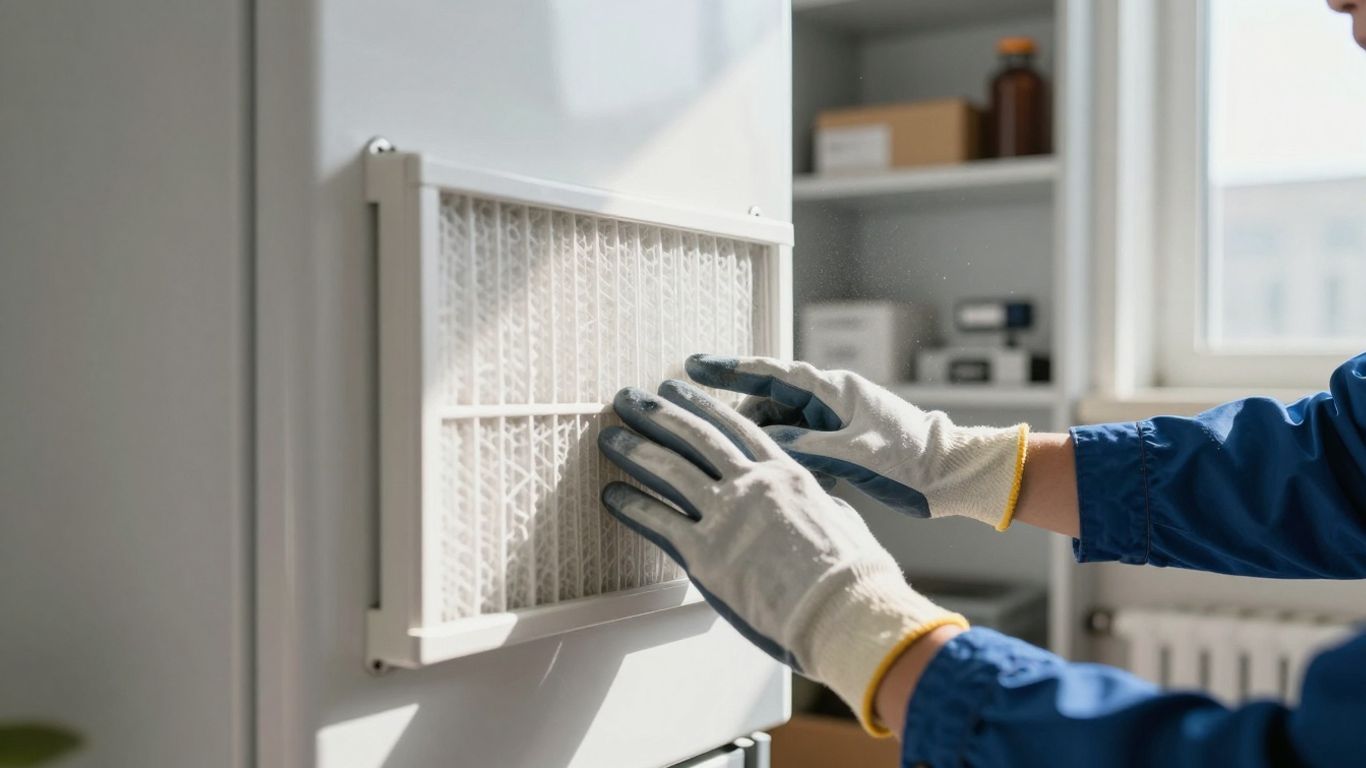
This is probably the most straightforward thing we can do. The air filter in your furnace or heat pump is like the lungs of your system. It catches dust, dirt, pet dander, and all sorts of other particles floating around in the air before they get sucked into the heating unit itself. When this filter gets clogged up, it restricts airflow. Think of it like trying to breathe through a thick blanket – it’s tough!
- Reduced Efficiency: When airflow is poor, your system has to work much harder and longer to heat your home. This means it uses more energy, and your utility bills go up.
- System Strain: All that extra effort can put a strain on your furnace’s motor and other components, potentially leading to premature wear and tear or even breakdowns.
- Air Quality: A dirty filter can’t do its job of cleaning the air effectively. This can lead to poorer indoor air quality, which isn’t good for anyone, especially those with allergies or respiratory issues.
We recommend checking your filter at least once a month, especially if you have pets or live in a dusty area. You’ll want to replace it when it looks dirty, which might be every one to three months depending on your situation. A clean filter is key to keeping your system running efficiently and preventing problems.
Keeping Vents and Registers Clear
Another simple but often overlooked step is making sure the vents and registers where warm air comes out are unobstructed. These are the pathways for the heated air to reach your rooms. If furniture, rugs, curtains, or anything else is blocking them, the warm air can’t circulate properly.
Here’s why it matters:
- Uneven Heating: Blocked vents mean some rooms might not get enough heat, leaving them chilly while others might be too warm. This creates uncomfortable hot and cold spots throughout your house.
- System Backpressure: Just like a clogged filter, blocked registers can create backpressure in your ductwork. This makes your system work harder than it needs to, impacting efficiency and potentially causing strain.
- Airflow Obstruction: The primary job of a vent is to let air out. If it’s blocked, that air has to go somewhere, and it can sometimes get pushed back into the system, potentially causing issues with the fan or ductwork over time.
Take a walk around your home and just do a quick visual check. Move any furniture that might be too close to a vent. Make sure curtains aren’t hanging down and covering them. It’s a small effort that helps your heating system distribute warm air evenly and effectively throughout your home.
We often forget that our heating system relies on a clear path for air to move in and out. Just like we need clear airways to breathe, our furnaces need unobstructed vents and clean filters to function at their best. Paying attention to these simple pathways can save us a lot of trouble down the line.
Proactive Steps for a Reliable Heating System
We all want our homes to be warm and comfortable when the cold weather hits, right? Taking a few proactive steps can make a big difference in keeping our heating systems running without a hitch. It’s not about waiting for something to break; it’s about preventing problems before they even start.
Annual Professional Inspections
Think of this as a yearly check-up for your furnace or boiler. Scheduling a professional inspection once a year is a smart move. A qualified technician can spot small issues that you might miss. They’ll look at everything from the heat exchanger to the burner assembly and the flue. Catching minor wear and tear early can save you from a major breakdown and a costly repair bill later on. They can also clean out any buildup that might be affecting performance. It’s a good idea to book this appointment before the heating season really kicks into high gear, usually in the late summer or early fall.
Checking Your Thermostat Settings
Your thermostat is the brain of your heating system, and sometimes, it just needs a little attention. We often set it and forget it, but a few simple checks can help. First, make sure it’s set to the correct mode – ‘Heat’ and not ‘Cool’ or ‘Fan Only’. It sounds obvious, but mistakes happen! Also, consider programming your thermostat if you have a programmable model. Setting it to lower the temperature when you’re asleep or away can save energy and reduce wear on your system. We’ve found that even a few degrees can make a difference. If you have a smart thermostat, check its settings through the app; sometimes, updates or changes can occur without us realizing it. A quick look at the battery life is also a good idea if your thermostat uses them.
Sometimes, the simplest solutions are overlooked. Before calling for service, double-check the obvious things like power switches and circuit breakers. A tripped breaker can easily mimic a system failure, and flipping it back can resolve the issue instantly. It’s a quick win that saves time and money.
Wrapping Up
So, that’s a look at some straightforward ways we can all help our heating systems work better. It’s not about becoming a furnace expert overnight, but just taking a little time for simple checks. We’ve talked about changing filters, keeping vents clear, and listening for odd noises. These small steps can really make a difference in how warm our homes stay and might even save us some money on bills. Plus, a well-running system is just less likely to break down when we need it most. We hope these tips help keep things cozy this season.
Frequently Asked Questions
How often should we change our heating system’s air filter?
We recommend changing your furnace’s air filter at least once every three months. If you have pets or notice a lot of dust, it might be best to check and replace it even more often, perhaps monthly. A clean filter helps your system breathe easier and keeps your air cleaner.
Why is it important to have our heating system checked by a pro every year?
Getting a yearly check-up from a heating expert is super important. They can spot small problems before they become big, expensive repairs. They also make sure your system is running safely and efficiently, which can save us money on energy bills and keep us warm all winter.
What’s the simplest way to make sure our thermostat is set correctly?
We can start by making sure our thermostat is set to the temperature we want and that it’s programmed correctly for when we’re home or away. Sometimes, simply adjusting the schedule can make a big difference in comfort and energy use. We should also check that it’s not accidentally set to ‘cool’ instead of ‘heat’!
