


When our heating system acts up, it can be more than just an annoyance; it can leave us shivering in our own homes. We often try to ignore minor issues, hoping they’ll just sort themselves out. But sometimes, those little problems are signals that something bigger needs attention. Paying attention to how our heating works, and doesn’t work, is key to staying comfortable and safe. We’re going to look at some common signs that mean it’s time to call in the pros for some heating system repair.
Key Takeaways
- Strange sounds coming from your heating unit, like banging or screeching, are clear indicators that professional heating system repair is needed.
- If your home isn’t heating evenly or the temperature keeps dropping unexpectedly, it’s a sign your heating system needs attention.
- Unpleasant smells or a pilot light that won’t stay lit are urgent warnings that require immediate heating system repair.
Unusual Noises Indicating A Need For Heating System Repair
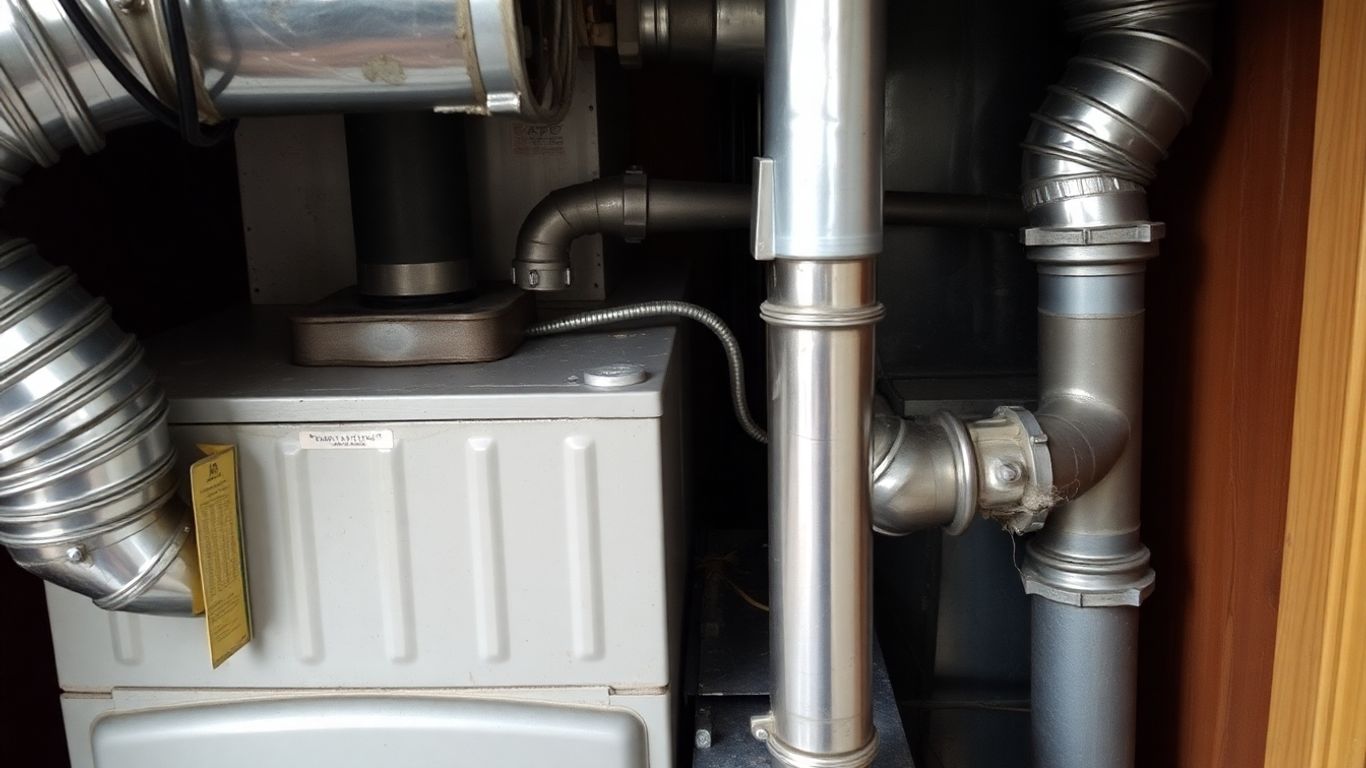
We often get used to the normal hum and whir of our heating systems. They become background noise in our homes. But when that familiar soundscape changes, it’s our cue to pay attention. Strange noises coming from your furnace or boiler aren’t just annoying; they can be early warnings of problems that need a professional eye.
Banging Or Clanking Sounds
That sudden bang or clank, especially when the heat first kicks on, can be startling. This often happens when there’s a buildup of sediment in your boiler, or when air gets trapped in your heating pipes. If it’s a boiler, the banging might mean mineral deposits are causing water to heat unevenly, creating steam pockets that then collapse. For forced-air systems, it could be something as simple as a loose duct connection that’s rattling when the air starts moving, or even a problem with the blower motor itself.
- Don’t ignore these sounds; they can point to issues that reduce efficiency and could lead to bigger breakdowns.
- Loose components in the ductwork.
- Sediment buildup in boilers.
- Air in the heating pipes.
Screeching Or Grinding Noises
A high-pitched screech or a persistent grinding sound is usually more serious. This type of noise often comes from the motor components. It could mean that the blower motor bearings are worn out and need replacing, or that a belt is slipping or damaged. In some cases, it might even indicate a problem with the fan itself. These aren’t issues that typically resolve on their own, and continuing to run the system could cause further damage.
A grinding noise, in particular, suggests metal-on-metal contact. This is a clear sign that a part is failing and needs immediate attention before it seizes up completely, potentially taking other parts of the system with it.
If you hear these noises, it’s best to turn off the system and call us. We can diagnose whether it’s a simple fix like a lubrication or belt adjustment, or if a motor replacement is necessary.
Performance Issues Requiring Heating System Repair
Sometimes, our heating systems don’t make loud noises or emit strange smells, but we notice something’s just not right with how they’re working. These performance hiccups can be just as telling as the more dramatic signs. We’ve all been there – expecting a warm house and getting something less. It’s easy to dismiss these issues at first, thinking maybe it’s just a draft or a particularly cold day. But when these problems become regular, it’s time to pay closer attention.
Inconsistent Heating
One of the most common performance problems we see is uneven heating. You might walk into one room and it’s perfectly comfortable, only to find another room feels noticeably cooler, even with the thermostat set to the same temperature. This isn’t just about comfort; it means your system is working harder than it should, trying to compensate for areas it’s not reaching effectively. This can be due to a few things:
- Blocked vents or registers
- Ductwork leaks
- Issues with the thermostat’s calibration
- Problems with the furnace’s blower motor
If you find yourself constantly adjusting the thermostat or using space heaters to make up the difference, your heating system is likely struggling. This constant battle for warmth can lead to higher energy bills and put unnecessary strain on your equipment.
Sudden Temperature Drops
Another sign that something’s off is when the temperature in your home suddenly plummets, even if the thermostat is set to keep things warm. You might be sitting comfortably, and then suddenly feel a chill. This can happen intermittently, making it hard to pinpoint the exact cause. It could be a sign that your furnace is short-cycling, meaning it’s turning on and off too frequently. This is often caused by:
- An overheating furnace
- A dirty air filter restricting airflow
- Low refrigerant levels (in heat pump systems)
When your heating system can’t maintain a steady temperature, it’s not just an inconvenience. It means the system isn’t operating as designed, and this inefficiency can lead to bigger problems down the line if left unaddressed. We want our homes to be reliable sanctuaries, especially when the weather turns cold.
These performance issues, while perhaps less alarming than a strange noise, are important indicators that your heating system needs a professional check-up. Ignoring them can lead to discomfort, higher energy costs, and potentially more serious and expensive repairs later on.
Warning Signs For Immediate Heating System Repair
Sometimes, our heating systems give us clear signals that something’s not right, and these aren’t just minor annoyances. We’re talking about issues that could lead to bigger problems or leave us in the cold. Paying attention to these immediate warnings can save us a lot of trouble and expense down the line.
Foul Odors
If you start smelling strange things coming from your vents or near your furnace, don’t just ignore it. Different smells can point to different issues:
- Rotten Egg Smell: This is often a sign of a gas leak. Natural gas itself doesn’t have a smell, but utility companies add a chemical called mercaptan to make leaks detectable. If you smell this, leave your home immediately and call your gas company or 911 from a safe distance. Do not turn on any lights or appliances.
- Burning Smell: A light, dusty burning smell might just be dust burning off the heating elements when you first turn the system on after a long break. However, if the smell is strong, acrid, or persistent, it could indicate an electrical problem, like overheating wires or a motor issue. This needs immediate attention.
- Musty or Moldy Smell: This usually means there’s mold or mildew growing somewhere in your ductwork or humidifier. This can affect your indoor air quality and should be addressed promptly.
Pilot Light Problems
For furnaces that still use a pilot light (older models), a flickering, yellow, or constantly going-out pilot light is a red flag. A healthy pilot light should be a steady, blue flame. A yellow or flickering flame often means incomplete combustion, which can produce carbon monoxide. If your pilot light is frequently going out, it could be a sign of a thermocouple issue or a draft problem. We need to get this checked out quickly to make sure the furnace is operating safely and efficiently.
When you notice any of these warning signs, it’s best not to wait. These aren’t just minor inconveniences; they can be indicators of safety hazards or potential system failures. Getting a professional to look at it right away is the smartest move we can make.
Don’t Wait for a Breakdown
We’ve talked about some common signs that your heating system might be acting up. Ignoring these issues, like strange noises or uneven heating, can lead to bigger problems down the road. It might seem like a hassle to call a professional, but it’s often cheaper and less stressful than waiting for a complete system failure, especially when it’s freezing outside. Think of it as regular maintenance for your home’s comfort. When in doubt, it’s always best to have a qualified technician take a look. They have the tools and know-how to fix things right the first time, keeping your home warm and safe all winter long.
Frequently Asked Questions
What should we do if our heater starts making strange noises?
If we hear banging or loud clanking, it might mean something is loose inside the system, like the blower parts. Screeching or grinding sounds are often more serious, possibly pointing to motor issues or worn-out parts that need immediate attention from a professional to prevent further damage.
Why is our house not heating evenly, or why are the temperatures dropping suddenly?
When our home feels like a rollercoaster of temperatures, with some rooms being too hot and others too cold, or when the heat suddenly stops working, it’s a clear sign something’s wrong. This could be due to a faulty thermostat, a blocked air filter, or even problems with the furnace itself, and we should have it checked.
What do we do if we smell something strange coming from our heating system?
A burning smell or a rotten egg odor coming from the vents is a serious warning. The burning smell could mean electrical issues or overheating parts. The rotten egg smell is often a sign of a gas leak, which is extremely dangerous. In either case, we should turn off the system immediately and call for expert help right away.
