


As the colder days start to fade, we often forget about our heating systems. But just because spring is here doesn’t mean our furnaces can take a complete break. Now is a good time to check in on them. We want to make sure everything is running right before the next cold snap, or even for those surprisingly chilly evenings. Paying attention to a few signs can save us from bigger problems down the road. Let’s look at some things we should keep an eye on with our furnaces.
Key Takeaways
- Listen for strange sounds like grinding or banging, which can point to mechanical issues needing attention.
- Notice if your home isn’t heating evenly or if your energy bills are higher than they should be, as these indicate efficiency problems.
- Check the pilot light and airflow; a yellow flame or weak air from vents are signs your furnace needs some furnace maintenance tips applied.
Unusual Noises During Operation
We often don’t think about our furnace until it’s really cold outside. But sometimes, our heating systems try to tell us something’s up, even when the weather’s not biting. One of the most common ways they do this is through sound. Paying attention to strange noises can save us from a much bigger problem down the road. If you start hearing things that aren’t normal, it’s worth investigating.
Grinding or Scraping Sounds
This kind of noise is usually a sign that something is rubbing where it shouldn’t be. It might be a metal-on-metal sound, or it could be more like a rough drag. Often, this points to an issue with the blower motor or the fan assembly. The bearings in the motor could be wearing out, or perhaps a piece of debris has gotten into the fan blades. It’s a sound that usually gets worse the longer you ignore it, and it can lead to the motor overheating or seizing up completely.
Banging or Popping Noises
Banging or popping sounds can be a bit more concerning. Sometimes, this happens when the furnace is trying to start up or shut down. One common cause is a buildup of dust and debris on the heat exchanger. When the burner ignites, the gas can get trapped in these pockets and then explode, creating that popping sound. Another possibility is related to the ductwork. As the air temperature changes, the metal ducts expand and contract, and if they’re not properly secured, they can make banging noises. We’ve also heard this from loose panels on the furnace itself.
It’s easy to dismiss a weird noise as just ‘the house settling’ or ‘the furnace being old.’ But these sounds are often the first signals that a component is stressed or failing. Ignoring them is like ignoring a check engine light in your car – it rarely ends well.
Here are a few things to consider if you hear these noises:
- When does it happen? Does it occur only when the heat kicks on, or throughout the cycle?
- Where does it seem to come from? Is it deep inside the furnace unit, or more from the vents?
- How loud is it? Is it a faint sound you can barely hear, or is it loud enough to be startling?
If you’re hearing these kinds of sounds, it’s a good idea to have a professional take a look. They can pinpoint the exact cause and fix it before it leads to a complete breakdown, especially as we head into the cooler parts of the late season.
Decreased Heating Efficiency
As the weather starts to warm up, we might not think much about our furnace. But if we’re noticing it’s not keeping our homes as toasty as it used to, or if our energy bills are creeping up, it’s a sign that something’s not quite right. These aren’t just minor annoyances; they point to a system that’s working harder than it should.
Inconsistent Room Temperatures
Have we found ourselves constantly adjusting the thermostat? Maybe one room feels like a sauna while another is downright chilly. This uneven heating can happen for a few reasons. The furnace might be struggling to push warm air through the ducts, or perhaps there’s a problem with how the air is distributed. We might even have areas where heat is escaping before it even reaches the room.
Higher Energy Bills Than Expected
It’s that time of year when we look at our utility statements and wonder why they’re higher than they were last month, even though the temperature hasn’t dropped drastically. If our furnace is working overtime to keep up, it’s going to use more fuel. This could be due to a dirty filter, a thermostat that’s not calibrated right, or even the furnace itself getting old and less efficient. We should also check if our ductwork has any leaks, as that’s a common culprit for wasted energy.
When our furnace isn’t running efficiently, it’s like trying to drive a car with the parking brake on. Everything takes more effort, uses more gas, and eventually, parts start to wear out faster. Paying attention to these signs now can save us from bigger problems down the road.
Here are some things we can look for:
- Check the air filter: A clogged filter makes the furnace work harder.
- Listen for odd sounds: While we’ll cover noises more later, any unusual sounds can indicate strain.
- Feel the airflow: Is it weaker than usual coming from the vents?
- Inspect vents and registers: Make sure they aren’t blocked by furniture or curtains.
Pilot Light Issues and Airflow Problems
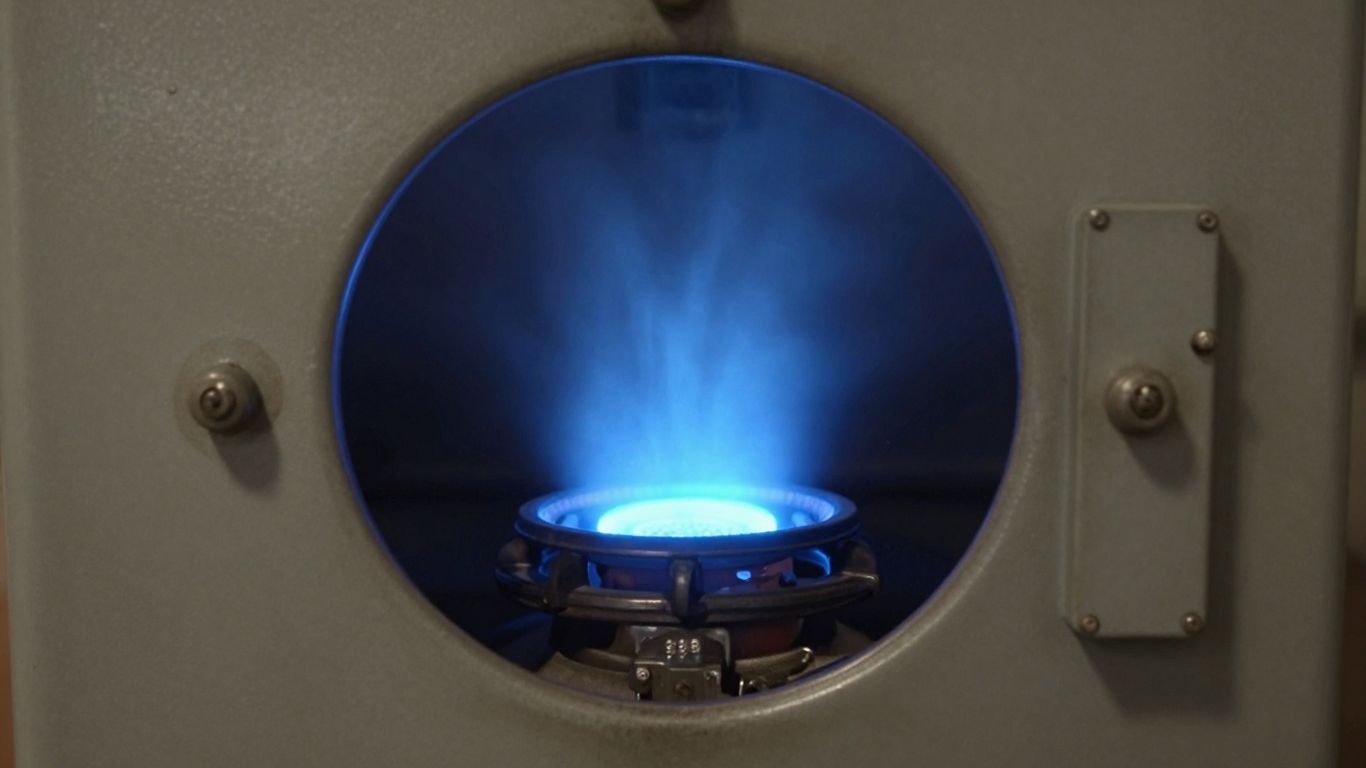
We’ve all been there – that moment when you notice something’s not quite right with the heat. Sometimes, it’s the pilot light acting up, or maybe the air just isn’t moving like it used to. These can be signs that your furnace needs a closer look, especially as we head into the later part of the heating season.
Yellow Pilot Light or Frequent Cycling
Normally, a furnace’s pilot light should burn with a steady, blue flame. If you’re seeing a yellow or flickering flame, it’s often an indicator that something’s off. This could mean incomplete combustion, which isn’t ideal for efficiency or safety. It might also point to a dirty burner or a problem with the gas-to-air mixture. When the pilot light isn’t burning correctly, it can cause the furnace to cycle on and off more than it should. This frequent starting and stopping puts extra wear and tear on the system. Paying attention to the pilot light’s color is a simple yet effective way to spot potential trouble early.
Weak Airflow from Vents
Another common issue we see is reduced airflow coming from the vents. You might feel a gentle puff of air, but it’s not strong enough to really circulate heat throughout the room. This can happen for a few reasons. The most common culprit is a dirty air filter. When the filter gets clogged with dust and debris, it restricts the amount of air that can pass through. Other causes can include a problem with the blower motor or a blockage in the ductwork itself. If you’ve checked and replaced your air filter recently and the airflow is still weak, it might be time to investigate further.
Sometimes, a simple fix like changing the air filter can make a world of difference. We often overlook these basic maintenance steps, but they play a big role in how well our furnace performs, especially when we rely on it most.
Here are a few things to consider if you’re experiencing weak airflow:
- Check the Air Filter: This is the first and easiest step. If it’s visibly dirty, replace it.
- Inspect Vents: Make sure no furniture or other items are blocking the vents.
- Listen to the Blower: Can you hear the blower motor running? If not, that’s a separate issue.
- Consider Ductwork: Blockages or leaks in the ducts can significantly reduce airflow.
Wrapping Up Your Furnace Check
So, we’ve gone over a few signs that might mean your furnace needs a look-over before the cold really leaves us. It’s easy to think that once winter’s grip loosens, we can just forget about the heating system until next year. But a little attention now, especially if you noticed any of these issues, can save us from a much bigger headache down the road. Think of it as a final check-up. We wouldn’t ignore a strange noise from our car, and our furnace deserves similar care. Getting it sorted now means we can be more confident that it’ll be ready to go when we truly need it again, without any surprises.
Frequently Asked Questions
Why is our furnace making strange sounds?
If we hear grinding, scraping, banging, or popping noises coming from our furnace, it’s a clear sign something isn’t right. These sounds often point to worn-out parts, like a blower motor that’s struggling, or loose components that need tightening. Ignoring these noises could lead to bigger, more expensive problems down the road, so it’s best to have them checked out.
What if our house isn’t heating up like it used to?
When we notice that some rooms are colder than others, or if our heating bills seem higher than they should be for the amount of heat we’re getting, our furnace might be losing its power. This could be due to a variety of issues, from a dirty filter blocking airflow to a thermostat that’s not working correctly. We want our system to heat our home evenly and efficiently.
What does it mean if our pilot light is acting weird or the air isn’t blowing strongly?
A pilot light that’s usually blue but has turned yellow, or one that keeps going out and relighting, suggests a problem with the gas-air mixture or a dirty burner. Also, if we feel like the warm air coming out of our vents is weak or not as strong as usual, it could mean there’s a blockage somewhere, like a clogged filter, or an issue with the fan itself. Both of these point to a furnace that needs attention to keep our home warm.
