


Sometimes, we hold onto our old heaters way longer than we should. We get used to the quirks—maybe the living room is always cold, or the heater rattles at night—but we just live with it. Lately, though, we’ve been hearing from more folks who are wondering if it’s finally time for a heating system replacement. Let’s talk about the signs that show your heater might be ready to call it quits.
Key Takeaways
- Spotting uneven heating or higher energy bills can mean your system isn’t working like it used to.
- If we’re calling for repairs all the time or hearing weird noises, our heater might be on its last legs.
- Older heaters and broken parts can lead to safety problems, so replacing them can keep our homes safer.
Recognizing Declining Performance in Your Heater
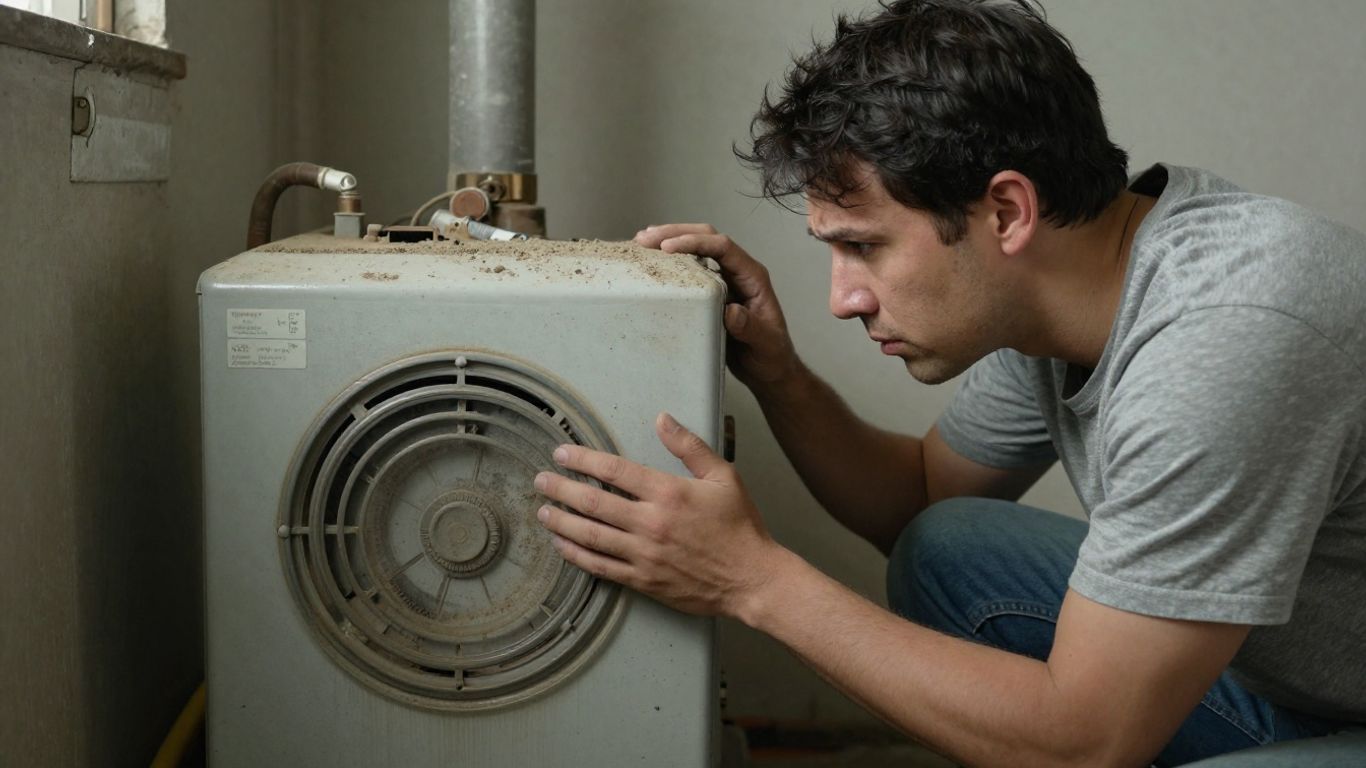
Most of us don’t spend a lot of time thinking about the heater—until something goes wrong. We might brush off an odd noise or uneven temperature, telling ourselves it’s probably normal. But when our home just doesn’t feel right or the monthly bills keep heading upward, it’s time to face facts: our heating system could be losing its edge. Let’s take a closer look at some signs we can’t afford to ignore.
Inconsistent Heating Throughout the Home
We expect each room to feel just as cozy as the next. But if we start noticing cold spots, or as soon as we step into another room the temperature dips, it’s a sign the system isn’t spreading heat evenly. Here’s what usually pops up:
- Some rooms feel chilly while others are too warm.
- We keep fiddling with the thermostat but still can’t find a comfortable balance.
- Friends or family mention drafts or uneven temps that we’ve started ignoring.
When we catch ourselves adding extra blankets in one room while opening windows in another, it’s usually not a fluke—our system may be struggling.
Rising Energy Bills Despite Normal Usage
No one likes that feeling of opening the utility bill and doing a double-take. When monthly heating costs jump, but our usage stays the same, it’s a sign the heater is burning through more fuel just to keep up.
Here’s a look at what we might notice:
| Month | Last Year | This Year |
|---|---|---|
| December | $120 | $180 |
| January | $125 | $200 |
| February | $110 | $195 |
- The bill keeps creeping up each year with no real change in how often we run the heat.
- We catch ourselves lowering the thermostat to save money or relying on portable heaters more often.
- Our system runs longer cycles, using more energy for the same level of comfort.
When small tweaks don’t lead to savings, our heater might be worn out—not just old.
Frequent Repairs and Unusual Noises Indicate Wear
Repeated Breakdowns Within a Short Timeframe
We’ve all been there: the furnace sputters, we call for a repair, it gets fixed, and then a few weeks later, it breaks down again. This cycle of repeated breakdowns within a short timeframe is a strong signal that your heating system is nearing the end of its lifespan. Instead of just patching up an old unit, it’s often more cost-effective and reliable in the long run to consider a full replacement. Think of it like constantly fixing a leaky faucet; at some point, you just need a new one.
- Constantly calling the repair person can add up quickly. The cost of multiple service calls and replacement parts can easily exceed the price of a new, efficient system.
- You might find yourself needing the same part replaced multiple times as other components begin to fail.
- The inconvenience of being without heat, especially during cold snaps, becomes a recurring problem.
Strange Sounds Signaling Internal Damage
Your heating system might not talk, but it certainly makes noises. When those noises change from the usual hum or whoosh to something more alarming, it’s time to pay attention. Grinding, squealing, banging, or even loud popping sounds can indicate serious internal issues that are often expensive to fix and can be dangerous if ignored. These sounds are often the system’s way of telling us that something is seriously wrong inside.
- A persistent grinding noise often points to issues with the blower motor or other moving parts that are wearing down.
- Squealing can sometimes mean a belt is loose or worn, or it could indicate a problem with the fan.
- Loud banging or popping might suggest problems with the heat exchanger or ductwork.
Ignoring these unusual sounds is a gamble. They are not just annoying; they are often indicators of components that are stressed, failing, or about to fail completely. Addressing them promptly, even if it means considering a replacement, is the wisest course of action for your comfort and safety.
Aging Systems and Safety Concerns
As our heating systems get older, they don’t just become less efficient; they can also start posing safety risks. We often overlook this aspect, focusing more on comfort and cost. However, a system that’s past its prime might be putting our households in danger.
Heating System Replacement for Older Units
If your furnace or boiler has been chugging along for 15 to 20 years or more, it’s probably time we seriously consider replacing it. Think of it like an old car – it might still run, but it’s more prone to breaking down and less safe on the road. Older heating units, especially those with outdated technology, can be inefficient and struggle to keep up with demand. Replacing an aging system with a modern, energy-efficient model can lead to significant savings on our utility bills and provide more reliable heat. We also need to think about the availability of parts for older models; sometimes, finding replacements can be a real headache, leading to longer repair times and higher costs.
Potential Health Risks from Malfunctioning Equipment
When heating equipment starts to fail, it can create serious health hazards. One of the biggest concerns is the potential for carbon monoxide leaks. This is a colorless, odorless gas that can be deadly. Older furnaces, in particular, are more susceptible to cracks in the heat exchanger, which is where combustion gases are normally contained. If this component fails, carbon monoxide can seep into our homes.
- Carbon Monoxide Poisoning: Symptoms can include headaches, dizziness, nausea, and confusion. It’s vital to have working carbon monoxide detectors on every level of our home.
- Poor Air Quality: Aging systems might not filter the air as effectively, leading to increased dust, allergens, and other particulates circulating in our living spaces.
- Fire Hazards: Worn-out electrical components or malfunctioning gas lines in an old heating system can increase the risk of a fire.
We must remember that our heating system isn’t just about warmth; it’s a complex piece of machinery that, when failing, can directly impact the health and safety of everyone under our roof. Regular inspections are good, but they can’t always predict or prevent the failures of truly old equipment. It’s often more prudent to invest in a new system before a dangerous situation arises.
When to Consider a New Heating System
We’ve looked at several signs that might mean your current heating system is on its last legs. If you’re dealing with frequent repairs, higher energy bills than usual, or uneven heating throughout your home, it’s probably time to start thinking about a replacement. Ignoring these signals can lead to bigger problems and more expensive fixes down the line. Taking the step to upgrade your heating system now can save you a lot of hassle and money in the long run, and it will make your home much more comfortable during those cold winter months.
Frequently Asked Questions
How often should we expect our heater to need fixing?
Generally, if your heating system breaks down more than once a year, or if you’ve had multiple repairs in a short period, it might be a sign that it’s getting old and could be ready for a replacement. Think of it like an old car; if it’s always in the shop, it might be time for a new one.
What are some signs that our heating bill is too high because of the heater?
We might notice our energy bills going up even when we haven’t changed how much we use the heater. If the house isn’t as warm as it used to be, or if some rooms are cold while others are hot, it could mean the heater is working harder than it should to keep us comfortable, which uses more energy.
Are older heating systems more dangerous?
Yes, older heating systems can sometimes pose safety risks. As they age, parts can wear out, which might lead to things like gas leaks or carbon monoxide issues if not properly maintained or if the system is very old. It’s always best to have a professional check it if we’re concerned about safety.
