


Living in Searcy, we often enjoy our backyards, but sometimes the hum of our outdoor HVAC unit can really interrupt the peace. It’s a common issue many homeowners face. We’ve found that dealing with outdoor HVAC unit noise reduction can make a big difference in enjoying our outdoor spaces. This article will look at why these units make noise and what we can do about it.
Key Takeaways
- We can identify common reasons why our outdoor HVAC units become noisy, such as fan issues or loose parts.
- We can explore ways to reduce the sound, like building simple barriers or checking for mechanical problems.
- Taking steps for outdoor HVAC unit noise reduction helps us enjoy our backyards more quietly.
Understanding Your Outdoor HVAC Unit Noise
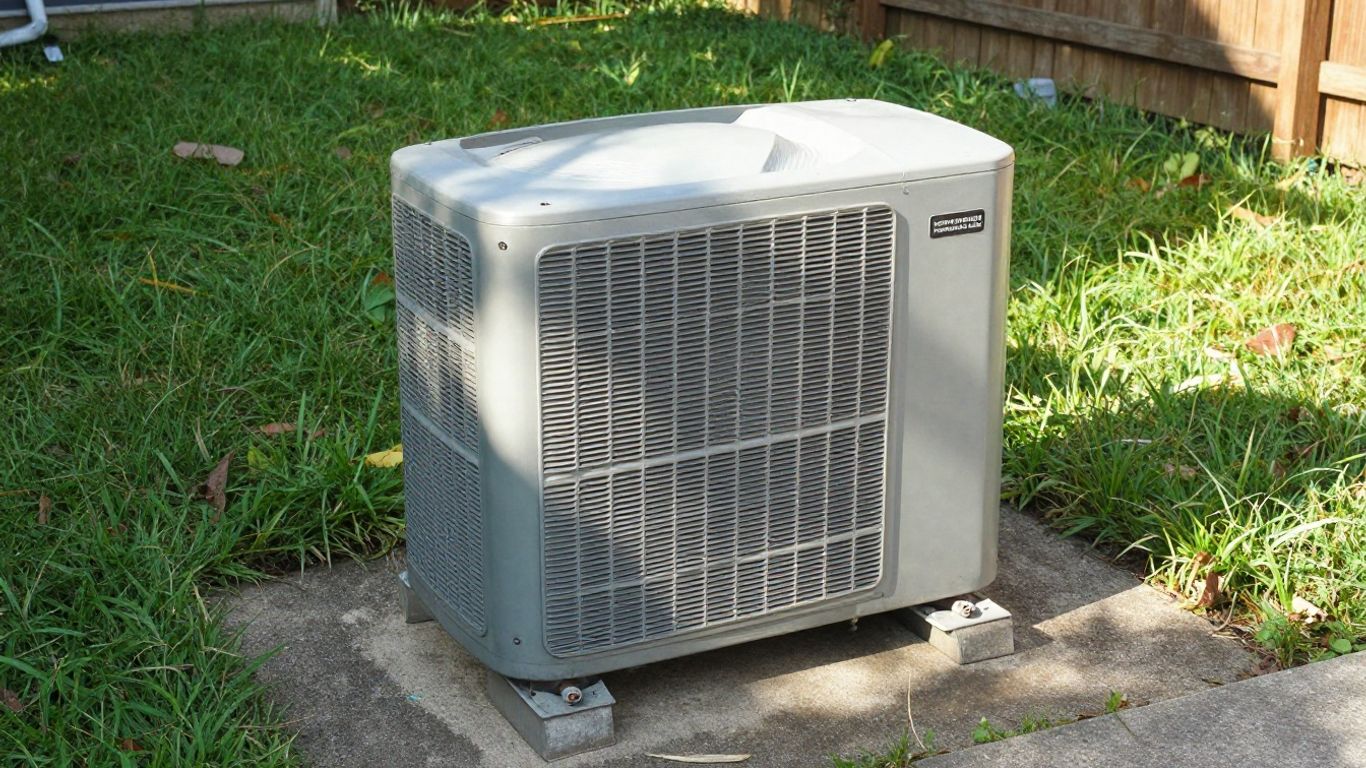
We’ve all been there, trying to enjoy a quiet afternoon in our Searcy backyards, only to be interrupted by the persistent hum or rattle of our outdoor air conditioning unit. It’s a common issue, and understanding where that noise comes from is the first step to getting some peace and quiet back.
Common Sources of HVAC Noise
Several things can make your outdoor unit sound like it’s working overtime, even when it’s just running normally. We often find that the fan is a big culprit. If the fan motor is starting to wear out, or if the fan blades themselves are bent or unbalanced, you’ll hear a distinct whirring or even a clattering sound. Then there’s the compressor. This is the heart of your AC system, and while it’s designed to run, a compressor that’s aging or has low refrigerant can start to make a louder, more noticeable buzzing or humming noise. Vibrations are another common source. As the unit runs, the engine and other parts vibrate. If these vibrations aren’t properly dampened, they can transfer to the unit’s casing or even the ground, creating a low rumble that travels.
- Fan Motor Issues: Worn bearings, imbalance, or damage to fan blades.
- Compressor Problems: Aging components, low refrigerant levels, or internal wear.
- Vibration Transfer: Loose mounting, lack of dampening materials, or structural resonance.
- Refrigerant Flow: Gurgling or hissing sounds can indicate issues with how the refrigerant is moving through the system.
Sometimes, the noise isn’t necessarily a sign of a major problem, but rather just the normal operation of a powerful machine. However, a sudden change in sound or a particularly loud noise often warrants a closer look.
Assessing the Impact of Noise on Your Backyard
It’s easy to dismiss the noise as just ‘part of having an AC unit,’ but we’ve found that it can really change how we use our outdoor spaces. A unit that’s too loud can make it hard to have a conversation, enjoy music, or simply relax with a book. We’ve heard from folks who feel like they can’t even open their windows on a nice day because the noise is so intrusive. It can turn what should be a peaceful retreat into a place where you feel like you’re constantly near a busy road. The impact on our enjoyment of our own homes is significant, affecting everything from backyard barbecues to quiet evenings spent stargazing. We want our yards to be a place of rest, not a source of annoyance.
Effective Strategies for Outdoor HVAC Unit Noise Reduction
We’ve all been there – trying to enjoy a quiet afternoon in the backyard, only to be met with the persistent hum or rattle of the air conditioning unit. It can really put a damper on things. Fortunately, there are several practical ways we can tackle this noise pollution and reclaim our outdoor spaces.
Implementing Sound Barriers and Enclosures
One of the most direct approaches is to physically block the sound. This can be done in a few ways, depending on your budget and the look you’re going for.
- Build a fence or screen: A solid barrier, like a wooden fence or a specially designed acoustic screen, can make a big difference. Make sure it’s tall enough to block the line of sight to the unit and extends a bit beyond its sides. Leave some space between the barrier and the unit for airflow – you don’t want to make the AC work harder.
- Use landscaping: Dense shrubs or a row of trees planted strategically can help absorb and diffuse sound waves. While not as effective as a solid barrier, it adds a natural aesthetic and can soften the noise.
- Consider an enclosure: For a more permanent solution, a custom-built enclosure can be very effective. These are often made from wood or composite materials and are designed with sound-dampening properties. Again, proper ventilation is key here to prevent overheating.
The goal is to interrupt the path the sound takes to reach your seating areas.
Here’s a quick look at how different barrier types might perform:
| Barrier Type | Noise Reduction (approx.) | Notes |
|---|---|---|
| Dense Shrubbery | 3-5 dB | Natural look, requires maintenance |
| Wooden Fence (6ft) | 10-15 dB | Effective, can be visually appealing |
| Acoustic Enclosure | 15-25 dB | Most effective, higher cost, needs vents |
Addressing Mechanical Issues for Quieter Operation
Sometimes, the noise isn’t just the normal operating sound; it’s a sign that something needs attention. Addressing these mechanical issues can significantly quiet things down.
- Check for loose parts: Vibrations can cause panels, screws, or even the fan blades to become loose over time. A quick inspection and tightening can often stop rattling noises.
- Lubricate moving parts: Bearings in the fan motor or compressor can become dry and squeaky. Regular lubrication, following the manufacturer’s recommendations, can prevent this.
- Inspect the fan: A bent fan blade or debris hitting the fan can create a loud, uneven sound. Ensure the fan is balanced and clear of obstructions.
- Look at the compressor: While compressors are inherently noisy, excessive or unusual noises like grinding or banging could indicate a more serious problem that needs professional attention.
It’s always a good idea to turn off the power to the unit at the breaker box before attempting any hands-on maintenance. If you’re not comfortable with any of these steps, calling a qualified HVAC technician is the safest bet. They can diagnose and fix issues you might miss.
We found that simply ensuring all the external panels were securely fastened made a noticeable difference in reducing the general hum that seemed to emanate from our unit. It’s the little things that often add up to a quieter backyard experience.
Wrapping Up
So, we’ve looked at a few ways to quiet down that noisy air conditioner unit outside. It’s not always easy, and sometimes it feels like a big project. But taking steps to reduce the sound can really make a difference in enjoying your backyard again. Whether it’s a simple fix or a more involved setup, we hope these ideas help you find some peace and quiet. Give them a try and see if your outdoor space feels a little more relaxing.
Frequently Asked Questions
Why is our air conditioner outside so loud?
Several things can make your outside AC unit noisy. Sometimes, it’s just the normal sound of the fan and the compressor working. Other times, loose parts, a dirty fan, or even something stuck inside can cause extra racket. We should check if anything looks out of place or if the noise started suddenly.
Can we really make the noise less of a bother in our yard?
Yes, we can take steps to quiet things down. Putting up a fence or a special screen around the unit can block some of the sound. Making sure the unit itself is in good shape, with no wobbly parts or dirt buildup, also helps a lot. We’ll look into what works best for our space.
Is it hard to fix the noisy parts of the outdoor AC unit?
It depends on what’s causing the noise. Simple things like cleaning the unit or tightening a loose screw are usually easy for us to handle. If it’s a more serious problem with the fan motor or the compressor, we might need to call a professional to make sure it’s fixed correctly and safely.
