


As spring temperatures start to bounce around, our air conditioners can get a bit confused. One minute it’s warm enough to need cooling, and the next, it’s cool enough to make the AC work harder than it should. This kind of weather swing can sometimes lead to frozen AC coils, which is a problem we all want to avoid. We’re going to look at why this happens and what we can do to keep our systems running smoothly, focusing on frozen ac coil prevention.
Key Takeaways
- Sudden temperature drops in late spring can stress AC units, sometimes causing coils to freeze up.
- Keeping up with regular AC maintenance and making sure air can flow freely around the outdoor unit are key to preventing frozen coils.
- Knowing the signs of a frozen coil and what to do right away can help fix the problem before it gets worse.
Understanding Why AC Coils Freeze During Temperature Swings
We’ve all been there. The weather can’t make up its mind, swinging from warm days to surprisingly chilly nights. This kind of unpredictability can really mess with our air conditioning systems, sometimes leading to a frustrating problem: frozen AC coils. Let’s break down why this happens, especially when the temperatures are all over the place.
The Role of Refrigerant Flow
Our air conditioners work by moving refrigerant, a special fluid, through a closed loop. This refrigerant absorbs heat from inside our homes and releases it outside. Think of it like a sponge, soaking up warmth. When everything is working right, the refrigerant flows smoothly, maintaining the correct pressure and temperature. However, when outdoor temperatures drop significantly, especially during those late spring swings, the system can get confused. If the outdoor unit doesn’t have enough warm air to expel the heat it’s carrying, the pressure inside the coils can drop too low. This low pressure causes the refrigerant to get much colder than it should. When this super-cold refrigerant flows through the indoor evaporator coil, it can draw too much heat from the air passing over it, causing moisture in the air to freeze onto the coil’s surface. Over time, this ice builds up, restricting airflow and making the AC work even harder.
Impact of Low Outdoor Temperatures on AC Operation
Air conditioners are designed to work best within a certain range of outdoor temperatures. Most residential AC units are optimized for warmer weather, typically above 60-65°F (15-18°C). When the outside temperature dips below this threshold, the AC system can struggle. The outdoor unit, called the condenser, needs warm ambient air to function properly. It uses this warm air to release the heat absorbed from inside your home. If the outside air is too cold, the condenser can’t effectively get rid of the heat. This can cause the system’s pressure to become unbalanced. Specifically, the pressure on the low-pressure side of the system can drop significantly. This drop in pressure leads to a corresponding drop in the refrigerant’s temperature. If the refrigerant gets cold enough, it can cause the indoor evaporator coil to drop below freezing. Moisture from the indoor air then condenses on this cold coil and freezes, forming ice. It’s a bit of a domino effect, where cold outdoor temps disrupt the delicate balance the AC needs to operate smoothly.
It’s important to remember that AC systems are complex. Even small changes in temperature can have a big impact on how they perform. We often think of ACs as just for hot weather, but they have specific operating conditions that need to be met for them to work correctly and avoid problems like freezing.
Here are some key points to consider about how temperature swings affect your AC:
- Reduced Heat Exchange: When it’s too cold outside, the system can’t release heat efficiently.
- Pressure Imbalances: The drop in outdoor temperature can cause the refrigerant pressure to fall too low.
- Freezing Point: This low pressure makes the refrigerant so cold that it can freeze moisture in the air onto the indoor coils.
- Airflow Obstruction: Ice buildup blocks air, making your AC less effective and potentially damaging it.
Proactive Steps for Frozen AC Coil Prevention
When spring temperatures start their unpredictable dance, we often forget about our air conditioners until the heat really kicks in. But this is precisely the time when we should be thinking about keeping those coils from freezing up. It’s all about staying ahead of potential problems.
Regular AC Maintenance Checks
We can’t stress this enough: regular check-ups are your best friend. Think of it like taking your car in for its oil change. It prevents bigger, more expensive issues down the road. For your AC, this means having a professional look at it at least once a year, ideally before the cooling season really gets going. They’ll check things like the refrigerant levels, which, if too low, can cause freezing. They also clean out any gunk that might be building up.
- Refrigerant Level Check: Low refrigerant is a common culprit for frozen coils.
- Filter Replacement: A dirty filter restricts airflow, making the system work harder.
- Coil Cleaning: Both indoor and outdoor coils need to be clean to transfer heat effectively.
- Electrical Connection Inspection: Loose wires can cause system malfunctions.
Ensuring Proper Airflow to the Outdoor Unit
The outdoor unit, often called the condenser, needs space to breathe. When it’s surrounded by debris, plants, or anything else that blocks airflow, it can’t do its job properly. This is especially true when outdoor temperatures dip unexpectedly. If the unit can’t release heat efficiently, it can lead to pressure issues inside the system, which, you guessed it, can cause the coils to freeze.
We need to make sure there’s at least a couple of feet of clear space all around the outdoor unit. Trim back any bushes or plants that are getting too close. Also, check for any leaves, grass clippings, or other yard waste that might have accumulated around it. A quick sweep or hose-down can make a big difference.
Keeping the area around your outdoor AC unit clear is a simple yet effective way to help it run smoothly, especially during those unpredictable spring temperature shifts. It allows the unit to dissipate heat properly, preventing strain on the system.
Here’s a quick checklist for the outdoor unit:
- Clear away any fallen leaves or debris.
- Trim back encroaching shrubbery or tree branches.
- Ensure the unit is sitting level on its pad.
- Check for any visible damage to the fins or casing.
Addressing Frozen AC Coils Promptly
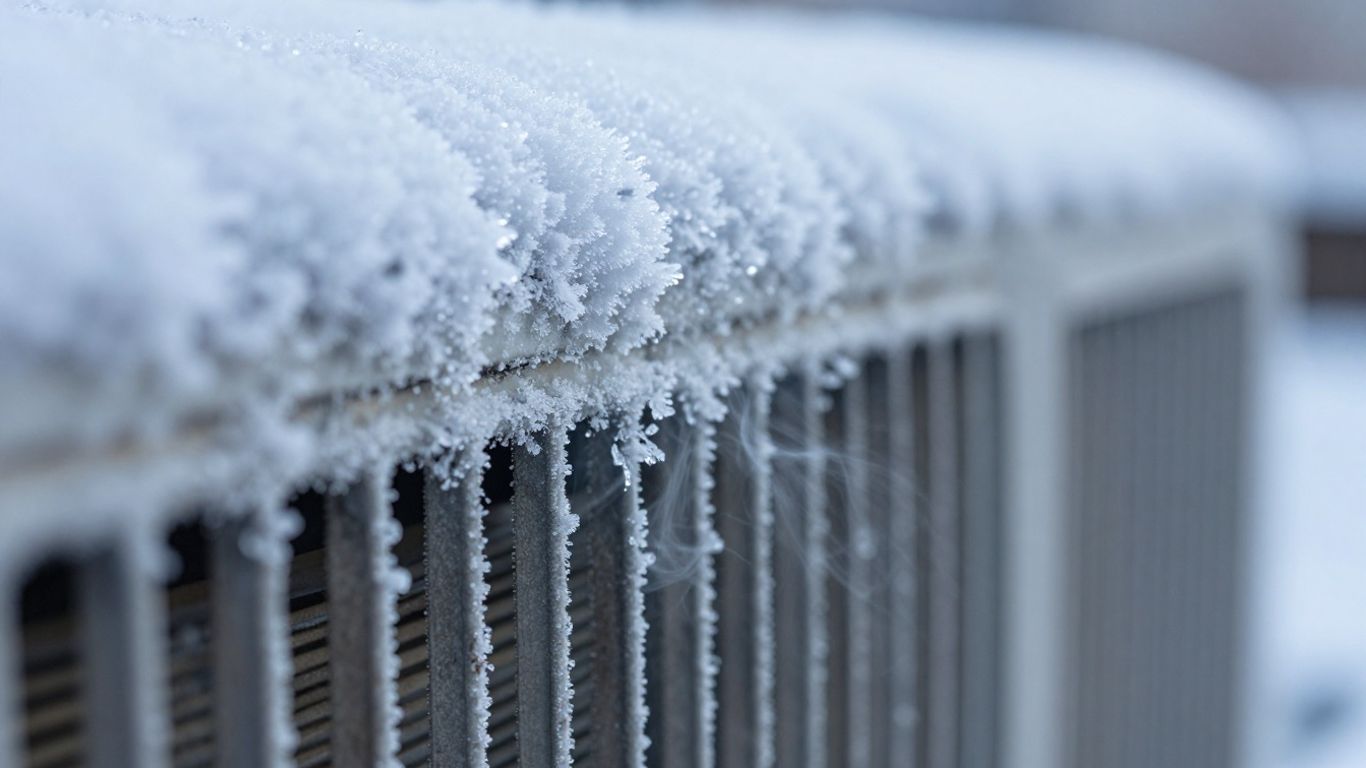
When the weather gets unpredictable, and we see those late spring temperature swings, it’s not uncommon for our air conditioners to act up. One of the most frustrating issues we can face is a frozen AC coil. If you notice your AC isn’t cooling like it should, or you hear strange noises, it might be a sign that the coils are iced over. Catching this problem early can save us a lot of hassle and potential repair costs.
Recognizing the Signs of a Frozen Coil
Sometimes, the signs are pretty obvious, but other times, they can be a bit more subtle. We need to keep an eye out for a few key indicators:
- Reduced Airflow: If the air coming from your vents feels weak or barely there, it’s a strong clue. The ice buildup acts like a blockage, preventing air from moving freely.
- Strange Noises: You might hear hissing or gurgling sounds coming from your indoor unit. This can happen as the ice melts or as refrigerant struggles to move.
- Visible Ice: In some cases, you might actually see frost or ice forming on the refrigerant lines or the indoor evaporator coil itself. This is a pretty clear sign something’s wrong.
- Higher Humidity: Even if the temperature isn’t dropping significantly, a frozen coil can’t dehumidify the air effectively, so you might notice your home feeling muggier than usual.
Immediate Actions to Take
If we suspect our AC coil has frozen, the first thing we should do is turn off the cooling system. We don’t want to run it while it’s iced up, as this can strain the compressor and lead to more serious damage. Here’s what we should do:
- Turn Off the AC: Locate your thermostat and switch the system from ‘Cool’ to ‘Off’. We still want the fan to run, though, so set the fan to ‘On’ (not ‘Auto’). This will help circulate air and speed up the melting process.
- Turn Off the Evaporator Fan (Optional but Recommended): If you can easily access your indoor unit, you might consider turning off the evaporator fan at the breaker box. This stops air from being forced over the ice, which can sometimes make the problem worse.
- Wait for it to Thaw: This is the hardest part – patience. It can take several hours, sometimes even a full day, for the ice to completely melt. You can speed this up by opening windows and doors if the outside temperature is cooler than inside, but be careful not to let warm, humid air in for too long.
- Check for Leaks: While the system is off and thawing, take a look around the indoor unit for any signs of water leaks. A frozen coil can sometimes lead to water damage.
Once the ice has completely melted, we can try turning the AC back on. However, if the coil freezes up again shortly after, it means there’s an underlying issue that needs professional attention. Ignoring it could lead to bigger, more expensive repairs down the line. It’s always better to get it checked out by a qualified technician if the problem persists.
We should also check the air filter. A clogged filter is one of the most common culprits for restricted airflow, which can lead to freezing. Replacing a dirty filter with a clean one is a simple step that can often prevent future issues.
Wrapping Up
So, we’ve talked about how those wild temperature swings in late spring can really mess with our air conditioners, sometimes leading to frozen coils. It’s not a fun problem to have when you just want some cool air. By keeping an eye on your system, making sure it’s clean, and not pushing it too hard when the weather gets weird, we can help avoid those icy issues. A little bit of attention now can save us from a bigger headache later. If you’re ever unsure, though, don’t hesitate to call in a pro. They’ve seen it all and can get things sorted right.
Frequently Asked Questions
Why do our AC coils freeze when the weather gets weird in spring?
When the outside temperature drops suddenly, our air conditioner might struggle. If it’s too cool outside, the system can’t get rid of heat properly, and this can cause the cold refrigerant inside the indoor coil to get even colder, eventually freezing into ice.
What are the first signs that our AC coil might be frozen?
You might notice that your air conditioner isn’t cooling as well as it should, or you might hear strange noises. Sometimes, you can even see ice forming on the pipes connected to your indoor unit, or feel a lack of air coming from your vents.
What should we do right away if we think our AC coil is frozen?
The most important thing is to turn off the cooling mode on your thermostat immediately. Then, switch your fan to ‘on’ so it can help melt the ice. We should also check if anything is blocking the air vents or the outdoor unit, as this can often be the cause.
