


When the weather gets warm and damp, our air conditioning systems work overtime. This often leads to a common issue: algae growth in the AC drain line. We’ve noticed this problem popping up more frequently, especially during these humid spells. It’s not just an annoyance; it can cause real trouble for your system. Let’s talk about why this happens and what we can do about it.
Key Takeaways
- Warm, wet conditions create the perfect environment for algae to grow inside your AC’s drain line.
- A blocked drain line can lead to water damage, mold growth, and your AC system not working right.
- Regular cleaning and using preventative treatments are good ways to keep algae from building up and causing problems.
Understanding Algae Growth In Your AC Drain Line
Why Warm, Wet Weather Fuels Algae Blooms
We’ve all noticed how the air gets thick and humid when the temperatures climb and rain seems to be a daily event. This kind of weather is exactly what algae loves. Inside your air conditioner, the cooling process naturally creates condensation. This water, along with the dark, damp environment inside the drain line, becomes a perfect breeding ground. Think of it like a tiny, hidden swamp. When it’s warm and wet outside, your AC is running more to keep things cool, which means more condensation is flowing through that drain line. This constant moisture, combined with the organic bits and pieces that can get into the line over time (like dust and mold spores), gives algae the food and conditions it needs to start growing. It doesn’t take long for a small patch of algae to turn into a significant bloom. This slimy growth can quickly start to clog things up.
The Consequences of Clogged AC Drain Lines
When algae and other gunk build up in your AC’s drain line, it stops water from flowing out like it’s supposed to. This can lead to a few annoying problems. First off, you might notice water pooling around your indoor unit, which can damage your flooring or even your ceiling if it’s a second-floor unit. That standing water can also become a breeding ground for more mold and mildew, which isn’t good for your indoor air quality. Beyond the water damage, a blocked drain line can cause your AC system to shut down entirely. Many systems have a safety float switch that will turn off the unit if it detects water backing up, preventing worse damage but leaving you without cool air. This usually happens at the worst possible time, like during a heatwave. We’ve seen systems where the backup was so bad, it caused significant damage to the air handler itself, leading to costly repairs.
A backed-up drain line isn’t just an inconvenience; it’s a sign that your system needs attention. Ignoring it can lead to more expensive problems down the road, affecting both your comfort and your wallet.
Proactive AC Drain Line Maintenance Strategies
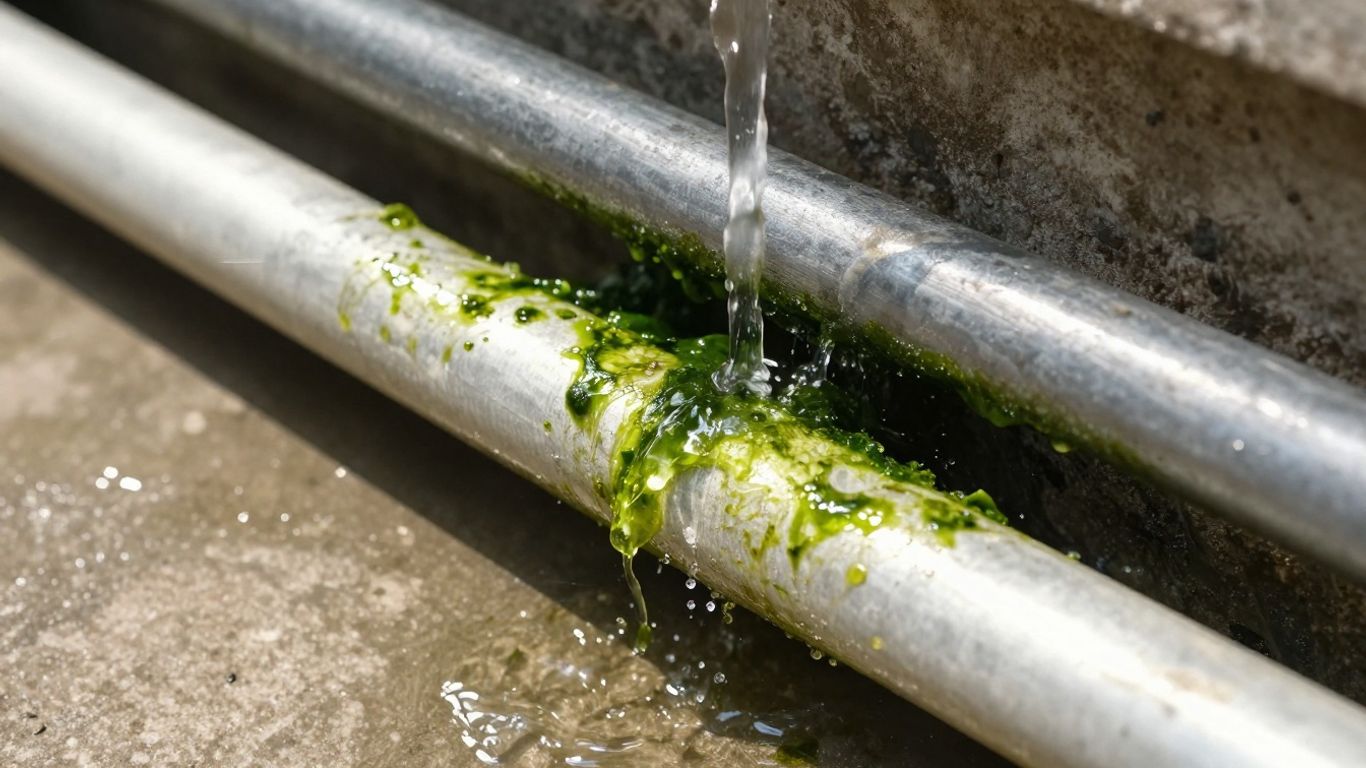
We all want our air conditioning systems to run smoothly, especially when the heat and humidity ramp up. Dealing with algae in the AC drain line can be a real headache, but thankfully, there are steps we can take to keep it from becoming a problem. It’s all about staying ahead of it with a bit of regular care.
Regular Cleaning for Optimal Airflow
Think of your AC drain line like a tiny plumbing system for your air conditioner. When it gets clogged with gunk, including that pesky algae, it can’t do its job. Water backs up, and that’s when you start seeing issues like water damage or your AC not cooling properly. We need to keep that line clear.
Here’s a simple way we can approach this:
- Turn off the power to your AC unit at the breaker box. Safety first, always.
- Locate the drain line. It’s usually a PVC pipe sticking out of your wall near the outdoor unit, or it might be accessible from an attic or crawl space.
- Use a wet/dry vacuum to suck out any standing water and debris from the end of the drain line. You might need to fashion a seal around the pipe with a rag or a special attachment for better suction.
- Pour a cup of distilled vinegar or a specialized AC drain line cleaner down the line. This helps to break down slime and algae. Let it sit for about 30 minutes to an hour.
- Flush the line with a gallon of water to wash away the loosened gunk.
- Restore power to your AC unit.
Doing this at least once or twice a year, perhaps in the spring before the heavy cooling season and again in the fall, can make a big difference. It’s a straightforward task that prevents bigger headaches down the road.
Preventative Treatments to Inhibit Algae
Beyond just cleaning, we can also use treatments to make the drain line less hospitable to algae. These are like little helpers that keep the slime from building up in the first place.
We’ve found that using specific products designed for AC drain lines works well. These often come in tablet or liquid form and are designed to slowly dissolve, releasing a biocide that kills algae and bacteria. We typically add one tablet or the recommended amount of liquid to the drain pan or directly into the drain line opening every few months, especially during the warmer, wetter parts of the year.
It’s important to follow the product’s instructions carefully. Using too much might not be better and could potentially cause other issues. We want to keep the drain line clear, not damage the system.
Some folks also use a diluted bleach solution, but we need to be cautious with that. Bleach can be harsh and might corrode certain parts of the AC system over time. Vinegar is a safer, more natural option for regular maintenance. For more stubborn algae or if you’re not comfortable doing it yourself, calling a professional HVAC technician is always a good idea. They have the tools and knowledge to handle it properly.
Wrapping Up
So, we’ve gone over why those AC drain lines can get clogged with gunk, especially when it’s warm and damp outside. It’s not a fun problem to deal with, but taking a few simple steps can really help keep things flowing. Regularly checking and cleaning the line, maybe with a shop vac or some vinegar, makes a big difference. We think these tips will help you avoid those messy backups and keep your air conditioner running smoothly. It’s worth the little bit of effort to prevent bigger headaches later on.
Frequently Asked Questions
Why does algae grow in our AC drain line during warm, wet weather?
Algae love warm and damp places. When the weather is hot and humid, our AC drain line stays wet, making it the perfect spot for algae to grow. This is why we often see more algae in the summer or during rainy times.
How can we tell if our AC drain line is clogged by algae?
If our AC isn’t cooling as well, or we see water pooling around the unit, it could be a sign of a clogged drain line. Sometimes, we might also notice a musty smell coming from the vents. These are all clues that algae might be blocking the line.
What simple steps can we take to stop algae from growing in our AC drain line?
We can pour a cup of white vinegar or a mix of water and bleach down the drain line every month. This helps kill any algae before it becomes a problem. Also, checking and cleaning the drain line regularly keeps it clear and working well.
