


We all know that feeling when the temperature drops unexpectedly. One minute it’s mild, and the next, you’re reaching for a sweater. When that happens, our heating systems have to work overtime. To avoid being caught off guard by a sudden cold snap, it’s a good idea to get a handle on some basic residential heating maintenance. We can make sure our homes stay warm and comfortable, even when the weather decides to surprise us.
Key Takeaways
- Regularly check your thermostat settings to make sure they are programmed correctly for your needs.
- Keep air filters clean to allow your system to run efficiently and prevent blockages.
- Ensure that vents and radiators are clear of obstructions and test your heating system periodically.
Essential Residential Heating Maintenance Checks
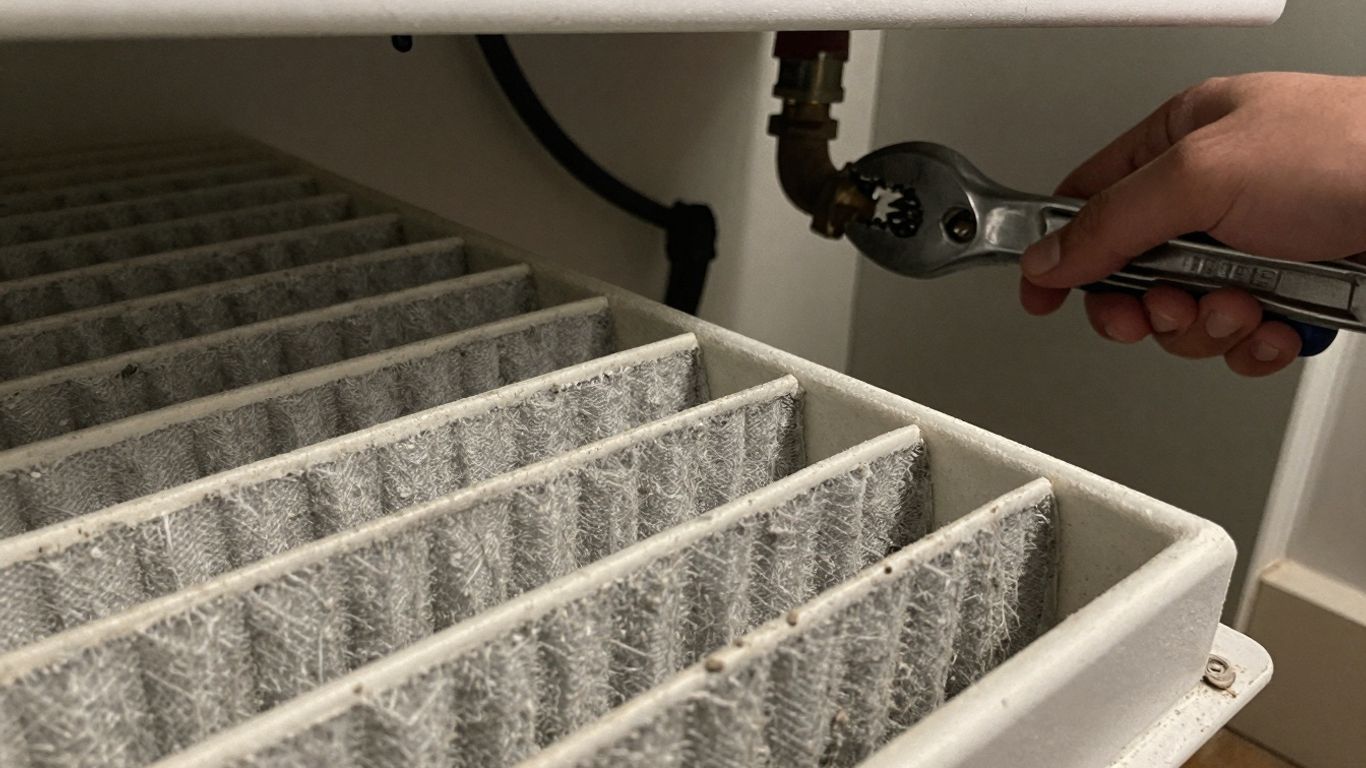
Before the cold really bites, we should take a look at a couple of basic things with our heating systems. It’s not complicated, and doing these checks can save us a lot of trouble later. A little bit of attention now can prevent a big headache when the temperature drops unexpectedly.
Inspect Your Thermostat Settings
First off, let’s talk about the thermostat. It’s the brain of our heating system, so we need to make sure it’s working right and set properly. We should check the batteries if it’s a battery-powered model; a weak battery can cause all sorts of weird behavior, like the heat not turning on when it should or shutting off too soon. We also need to confirm the programming is correct, especially if we have a programmable thermostat. Sometimes, after a power outage or just over time, the schedule can get reset, and we might be heating an empty house or not heating enough when we’re home. A quick run-through of the settings to make sure it matches our actual needs is a good idea. For those with smart thermostats, a quick check of the app or the device itself to see if it’s connected to Wi-Fi and updating properly is also wise.
Check Air Filters For Blockages
Next up is the air filter. This is probably the simplest thing we can do, but it makes a big difference. A dirty, clogged filter is like trying to breathe through a stuffy nose – it restricts airflow. This makes the system work harder, uses more energy, and can even lead to breakdowns. We should pull out the filter and hold it up to a light. If we can’t see much light through it, it’s time for a new one. We need to know the size of our filter, which is usually printed on the side of the old one, and pick up the correct replacement. It’s a good habit to change these filters every one to three months, depending on the type of filter and how much we use our system, but definitely before a cold spell hits.
Keeping the air filter clean is one of those small tasks that has a surprisingly large impact on how well our heating system performs and how much energy it uses. It’s a simple step that pays off.
Proactive Steps For Optimal Heating Performance
We all want our homes to stay warm when the temperature drops unexpectedly. Taking a few simple steps now can make a big difference. Let’s look at how we can get our heating systems ready.
Clear Vents And Radiators
It might seem obvious, but we often forget about the simple things. Furniture, curtains, or even piles of mail can block the airflow from your vents or radiators. When these are blocked, the warm air can’t circulate properly throughout your home. This means your heating system has to work harder and longer to reach the desired temperature, using more energy and potentially not heating some rooms effectively.
- Make sure nothing is obstructing your vents or radiators.
- Take a moment to move any furniture that might be too close.
- Pull back curtains that might be covering radiators.
- Check behind sofas and other large items if they are near a vent.
Test Your System’s Operation
Before the cold really hits, it’s a good idea to give your heating system a test run. Turn your thermostat up a few degrees higher than the current room temperature and listen to see if the furnace or boiler kicks on. Pay attention to any strange noises or smells. If you notice anything unusual, it’s best to address it sooner rather than later. Waiting until you’re in the middle of a cold snap to find out there’s a problem can lead to a very uncomfortable situation.
Here’s a quick checklist for testing:
- Set your thermostat to a higher temperature.
- Listen for the system to start up.
- Check if warm air is coming from the vents.
- Note any unusual sounds or smells.
Sometimes, a simple test run can reveal minor issues that are easy to fix. It’s much better to find out about a small problem when it’s mild outside than when you’re facing freezing temperatures and need your heat to work perfectly.
If your system doesn’t turn on, makes loud noises, or smells odd, we recommend contacting a qualified HVAC professional. They can perform a more thorough inspection and make any necessary repairs before a real cold spell hits.
Staying Warm When It Counts
So, we’ve gone over a few things we can do to get our heating systems ready. It’s not about being a pro, just taking some simple steps. Checking filters, clearing vents, and knowing who to call if things go wrong can make a big difference. We don’t want to be caught off guard when the temperature drops suddenly. A little bit of preparation now means a lot less worry later. Let’s make sure our homes stay cozy and safe, no matter what the weather decides to do.
Frequently Asked Questions
How often should we change our furnace filters?
We recommend checking your furnace filters every month, especially during colder seasons. If they look dirty or clogged, it’s time for a change. Dirty filters make your heating system work harder and can lead to problems.
What if our heating system suddenly stops working?
If your heating system unexpectedly quits, first check your thermostat to ensure it’s set correctly. Then, make sure no circuit breakers have tripped. If these simple checks don’t solve the issue, it’s best to call a professional heating repair service right away.
Can we do anything to help our heating system run better?
Yes, absolutely! Keeping the areas around your heating vents and radiators clear of furniture, curtains, or anything else is crucial. This allows warm air to flow freely throughout your home, making your system more efficient and your rooms warmer.
