


Your air conditioner works hard to keep your home comfortable, especially when the weather heats up. But sometimes, even the best systems can start to struggle. Ignoring the signs your AC is having a tough time can lead to bigger problems and more expensive cooling repair bills down the line. Let’s look at some common clues that your system might need some attention before it completely gives out.
Key Takeaways
- Listen for unusual noises like rattling or banging, and watch for your AC short-cycling (turning on and off too frequently), as these are clear signs of trouble.
- If your home isn’t cooling like it used to, or if your AC breaks down often, it’s a strong indicator that cooling repair is needed.
- An older AC unit, typically over 10-15 years old, is more prone to issues and less efficient, often making cooling repair costs add up quickly.
- Watch for rising energy bills; an AC working harder to cool your home uses more power, signaling a potential need for cooling repair or replacement.
- Regular maintenance, like changing filters and cleaning coils, is the best way to prevent costly cooling repair and extend your system’s life.
Recognizing Signs of Cooling Repair Needs
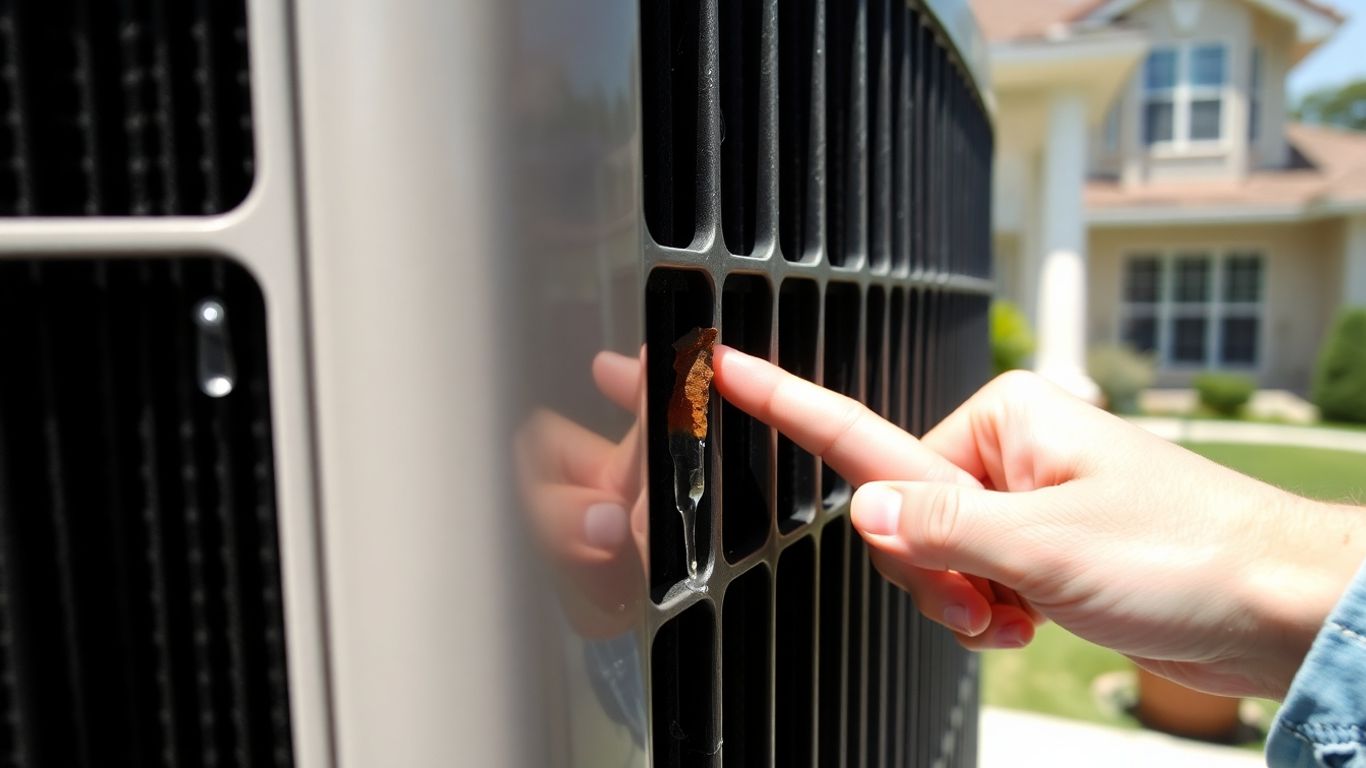
Your air conditioner is supposed to be your best buddy during those sweltering summer days, keeping your home nice and cool. But when it starts acting up, it can be a real headache. Catching the problem early can save you from bigger headaches and a much bigger bill down the road. So, what are the tell-tale signs that your AC is struggling and might need some attention?
Your AC Struggles to Cool Your Home
This one seems pretty obvious, right? If you’ve cranked the thermostat down, but your home still feels like a sauna, your AC is definitely not doing its job. It might be running constantly, but the cool air just isn’t making it through. This could be due to a few things, like dirty coils that can’t transfer heat properly, or maybe a refrigerant leak that’s making it impossible for the system to cool effectively. Whatever the reason, a home that isn’t cooling properly is a clear signal that something’s up.
Your AC is Short-Cycling
Short-cycling is when your air conditioner turns on, runs for a bit, and then shuts off, only to turn back on again a few minutes later. It’s like it can’t commit to a full cooling cycle. This constant starting and stopping puts a lot of stress on the system, especially the compressor. A healthy AC unit usually runs for about 15 minutes at a time and cycles a couple of times an hour. If yours is cycling much more frequently, it could be a sign of a clogged air filter, a refrigerant issue, or even a thermostat that’s gone wonky. It’s definitely not good for the longevity of your unit.
Unusual Noises from Your Unit
Your AC unit shouldn’t sound like a rock concert or a construction site. If you’re suddenly hearing strange noises like grinding, squealing, banging, or even rattling, it’s time to pay attention. These sounds are often indicators of mechanical problems. Grinding might mean a motor bearing is failing, while squealing could point to a belt issue. Banging noises are particularly concerning and could suggest something is loose or broken internally. Don’t just ignore these sounds; they’re your AC’s way of telling you it needs professional air conditioning repair.
Paying attention to these common signs can help you address potential issues before they escalate into major problems. Ignoring them often leads to more complex and expensive repairs later on, not to mention a very uncomfortable home environment.
Here are some quick checks you can do yourself:
- Thermostat Check: Make sure it’s set to ‘Cool’ and the temperature is set lower than the current room temperature.
- Circuit Breaker: Look for any tripped breakers in your electrical panel and reset them if necessary.
- Air Filter: Inspect your air filter. If it looks dirty or clogged, replacing it is a simple fix that can sometimes resolve cooling issues.
When Frequent Breakdowns Signal a Need for Cooling Repair
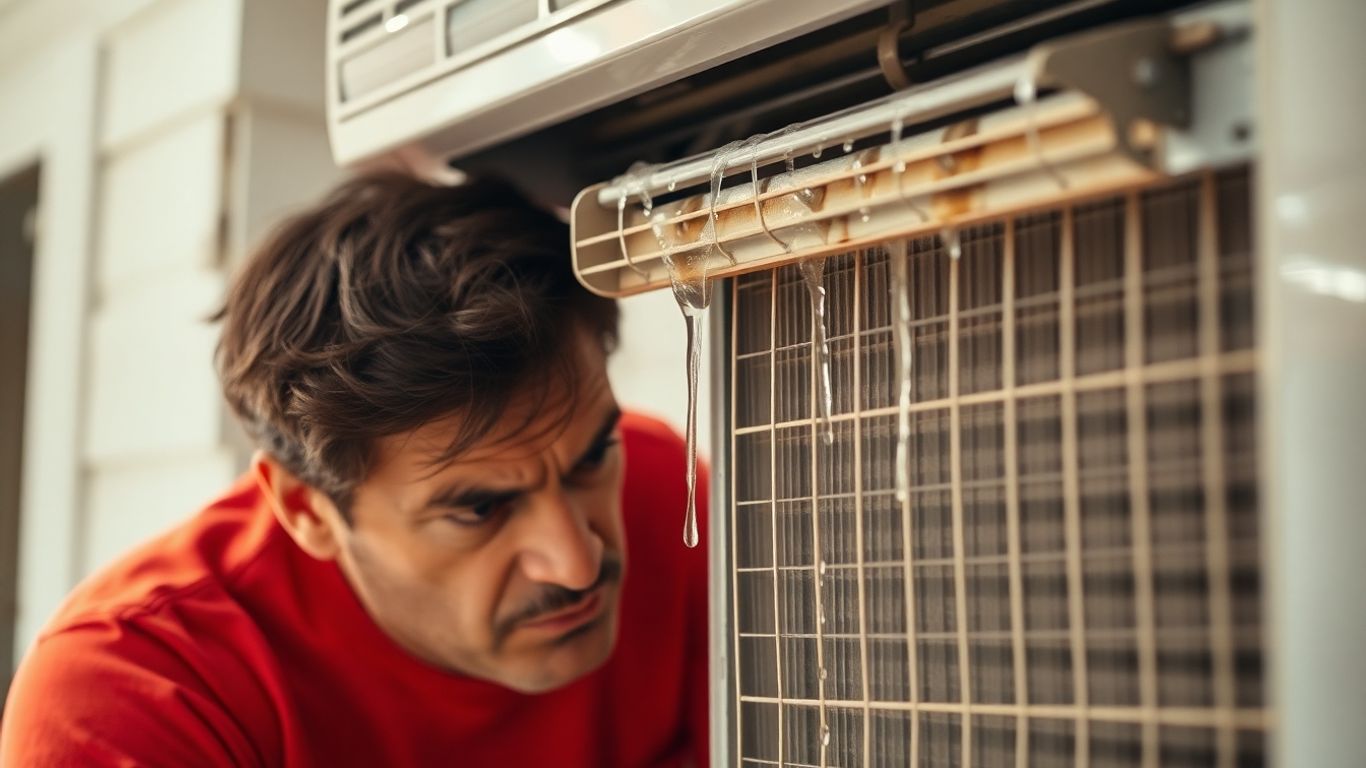
An occasional hiccup with your air conditioner is pretty normal. Most systems will need a minor fix now and then. But if you find yourself calling the repair person more than once a season, or even multiple times in a single summer, it’s a strong sign that your system is struggling and might be on its last legs. These repeated issues often point to bigger problems that a simple patch-up won’t solve.
Recurring Issues Require Attention
When your AC seems to be in a constant cycle of needing attention, it’s a clear indicator that something more significant is going on. Think of it like a car that keeps needing new parts – eventually, you have to wonder if it’s worth keeping.
- Frequent trips to the repair shop: If you’re calling for service multiple times a year, it’s a red flag.
- Same problem keeps popping up: If the technician fixes one thing, and then another issue arises shortly after, the underlying cause might not have been fully addressed.
- System works, but not well: Even if it’s running, but not cooling effectively, it’s a sign of underlying stress.
The Cumulative Cost of Repairs
Each repair visit might seem manageable on its own, but these costs add up surprisingly fast. A series of smaller fixes can quickly start to rival the expense of a new, more reliable system. It’s worth doing the math to see if you’re pouring money into a system that’s nearing its end.
It’s easy to get caught up in the immediate cost of a single repair, but looking at the total spent over a year or two can offer a clearer picture of your system’s true financial burden.
Nearing the End of Your System’s Life
Air conditioners, like most appliances, have a lifespan. If your unit is older and you’re experiencing frequent breakdowns, it’s likely reaching the end of its operational life. While a new AC installation feels like a big upfront investment, it can save you a lot of money and headaches in the long run compared to constantly paying for repairs on an aging unit. A professional can help you assess if your system is truly on its way out.
The Impact of an Aging AC System on Cooling Repair
Think of your air conditioner like a car. The older it gets, the more likely it is to need frequent tune-ups and, eventually, major repairs. An AC system typically lasts between 10 to 15 years. While regular maintenance can help it run smoothly for longer, age eventually catches up. As your system approaches the end of its expected lifespan, you might start noticing it struggling to keep your home as cool as it used to, even on milder days. This isn’t just about comfort; it’s a sign that the system is working harder and less efficiently.
Understanding AC Lifespan
Most air conditioning units are built to last about a decade to fifteen years. This timeframe can vary based on how well the unit was maintained, the climate it operates in, and the quality of the original installation. However, even with diligent care, components naturally wear out over time. If your AC is hitting or exceeding that 10-year mark, it’s wise to start thinking about its overall condition and potential future issues.
Older Systems and Efficiency Declines
As AC units age, their ability to cool effectively tends to decrease. This means the system has to run longer and work harder to achieve the desired temperature. This increased workload directly translates to higher energy consumption and, consequently, higher utility bills. Newer models are designed with much better energy efficiency, often using significantly less power to produce the same amount of cooling. If your current system is over ten years old, it’s likely much less efficient than today’s options.
When Age Dictates Cooling Repair Decisions
Deciding whether to repair an older AC unit or replace it can be tricky. While a single repair might seem manageable, the costs can add up quickly, especially if you’re facing multiple issues. If your AC is nearing the end of its life and requires a significant repair, it might be more financially sensible to put that money towards a new, more efficient system. Consider the total cost of repairs over a year or two versus the upfront investment in a new unit that could save you money on energy bills for years to come.
Here’s a simple way to think about it:
- Frequent Breakdowns: If you’re calling for service more than once a year, or even multiple times in a single cooling season.
- Rising Energy Bills: Noticeable increases in your electricity costs that can’t be explained by usage or rate changes.
- Decreased Cooling Performance: Your home isn’t getting as cool as it used to, or cooling is uneven across different rooms.
- Expensive Repair Estimates: If a single repair costs a substantial amount, it might be time to reconsider.
When an older AC system starts needing frequent attention, it’s often a sign that it’s nearing the end of its operational life. Pouring money into constant repairs on a system that’s already past its prime can become a financial drain. It’s often more practical to invest in a new, energy-efficient unit that will provide reliable cooling and potentially lower energy costs in the long run.
Financial Indicators for Cooling Repair or Replacement
Sometimes, the most obvious signs that your AC needs attention aren’t the noises it makes or how well it cools, but what it’s doing to your wallet. If you’ve noticed your energy bills creeping up or find yourself constantly shelling out for repairs, it might be time to look at the numbers.
Skyrocketing Energy Bills
Has your electricity bill suddenly jumped up during the cooling season, even though you haven’t changed your habits or the weather’s been pretty normal? That’s a big red flag. As air conditioners age, they start to lose their efficiency. This means they have to work much harder to achieve the same level of cooling they used to. That extra effort translates directly into more electricity usage, and therefore, higher bills. A system that’s struggling to keep up is essentially burning through more energy to do the same job. While a new, more efficient unit is an upfront cost, the long-term savings on your energy bills can really add up.
The $5,000 Repair Rule
There’s a general guideline that many homeowners find helpful when deciding between fixing an old AC and buying a new one. It’s called the $5,000 repair rule. Here’s how it works: take the age of your air conditioner and multiply it by the estimated cost of the repair you need. If that number comes out to $5,000 or more, it’s usually more cost-effective to replace the unit. For example, if your AC is 10 years old and the repair is estimated at $600, that’s $6,000. In this case, replacement is likely the smarter financial move.
| AC Age (Years) | Estimated Repair Cost | Age x Cost | Recommendation |
|---|---|---|---|
| 10 | $600 | $6,000 | Consider Replacement |
| 8 | $400 | $3,200 | Consider Repair |
| 12 | $500 | $6,000 | Consider Replacement |
Evaluating Long-Term Savings
When you’re looking at a significant repair or a full system replacement, it’s easy to get caught up in the immediate cost. But it’s worth taking a step back and thinking about the bigger picture. An older, less efficient AC might seem cheaper to fix in the short term, but it could be costing you a lot more over time through higher energy bills and the potential for more frequent breakdowns. A new system, while a larger initial investment, often comes with much better energy efficiency ratings. This means it will use less power to cool your home, leading to noticeable savings month after month. It’s about weighing the upfront expense against the ongoing costs of keeping an aging system running.
It’s not just about the price tag of the repair itself. You also have to factor in how much more you’re likely to spend on energy with an older unit. Sometimes, the ‘cheaper’ repair today ends up being the more expensive option down the road when you look at the total cost of ownership.
Proactive Steps to Avoid Costly Cooling Repair
Nobody likes dealing with a broken AC, especially when it’s sweltering outside. The good news is, you don’t always have to wait for things to go wrong. Taking a few simple steps can help keep your system running smoothly and save you from those emergency repair bills. It’s all about being a little proactive.
The Importance of Regular Maintenance
Think of your AC like your car. You wouldn’t skip oil changes and expect it to run perfectly forever, right? Your air conditioner is no different. Regular check-ups are key. A technician can spot small issues before they turn into big, expensive problems. This includes checking refrigerant levels, making sure all the electrical bits are tight, and giving the whole system a once-over.
Benefits of Routine Cleaning
Cleaning is a big part of maintenance, and it’s something you can even do a bit of yourself. A clean AC works better. It doesn’t have to strain as hard to cool your home, which means it uses less electricity. That’s good for your wallet and good for the planet. Plus, cleaning gets rid of dust, allergens, and other gunk that can build up, making the air you breathe cleaner. Who doesn’t want that?
Here’s a quick look at what regular cleaning helps with:
- Better Efficiency: Less energy used means lower utility bills.
- Longer Lifespan: Components don’t wear out as fast.
- Improved Air Quality: Less dust and fewer allergens floating around.
- Early Problem Detection: Small issues get caught before they get serious.
Catching Issues Early
This is really the main point. When you have a technician come out for a tune-up, they’re looking for trouble. They might find a loose wire, a dirty coil, or a filter that’s past its prime. Addressing these things right away is way cheaper than waiting for a part to fail completely.
Sometimes, a simple filter change or a quick coil cleaning can make a world of difference. Don’t underestimate the power of these small tasks in keeping your system happy and healthy for years to come.
If you’re noticing your AC struggling, not cooling as well as it used to, or making weird noises, don’t just ignore it. It’s usually a sign that something needs attention. Getting it checked out sooner rather than later can save you a lot of hassle and money down the road. It’s just smart homeownership.
Don’t Sweat It: When in Doubt, Call a Pro
So, your AC is acting up. Maybe it’s making weird noises, not cooling like it used to, or just seems to be working way too hard. We’ve talked about a few signs that might mean it’s time for a repair, or maybe even a replacement. Ignoring these things can really lead to bigger problems and higher bills down the road. It’s easy to think you can just wait it out, but honestly, dealing with a broken AC when it’s scorching outside is no fun. If you’re seeing a few of these red flags, it’s probably a good idea to get a professional to take a look. They can figure out what’s really going on and help you decide the best way to get your cool back.
Frequently Asked Questions
What are some common signs that my AC needs fixing?
If your AC is having trouble cooling your home, making strange noises like rattling or banging, or turning on and off too quickly (short-cycling), it’s likely time for a check-up. These signs mean your system might be working harder than it should or has a part that isn’t working right.
How often should my AC cycle on and off?
A healthy air conditioner usually runs for about 15 minutes at a time and cycles on and off two to three times every hour. If yours is cycling much more often than that, it could be a sign of a problem like a clogged filter or a refrigerant leak.
My AC runs, but my house isn’t getting cool. What could be wrong?
This could be due to several things. Maybe the air filters are dirty, the outdoor coils are grimy, or there’s a leak in the refrigerant. Sometimes, the unit might even be the wrong size for your home, or your house might not be insulated well. It’s best to have a pro take a look.
When should I consider replacing my AC instead of repairing it?
If your AC is over 10-15 years old and you’re facing frequent breakdowns or expensive repairs, it might be more cost-effective to replace it. A good rule of thumb is the ‘$5,000 rule’: if the age of your AC multiplied by the repair cost is over $5,000, replacement is often the better choice. Plus, newer units are usually more energy-efficient.
How does regular AC maintenance help?
Regular maintenance is like giving your AC a tune-up. It helps keep parts clean and working well, making the system more efficient. This means it uses less energy, which can lower your electricity bills. It also helps catch small problems before they turn into big, costly repairs and can make your AC last longer.
Why are my energy bills suddenly so high?
If your electricity bills have gone up without you changing how much you use your AC or without unusually hot weather, your air conditioner might be losing its efficiency. An older or struggling AC has to work harder to cool your home, using more power in the process.
