


With pollen season in full swing here in Searcy, we’re all looking for ways to make our homes more comfortable. High pollen counts can really make breathing difficult for many of us. We want to share some straightforward tips to help improve your indoor air quality during this time. These simple steps can make a noticeable difference in how fresh your home feels.
Key Takeaways
- We can improve our home’s air by using good filters in our air systems and changing them often. This helps catch pollen before it circulates.
- Controlling the air inside our homes is important. Keeping humidity in check and knowing when to open or close windows helps manage pollen.
- We should try to keep pollen from coming inside in the first place. Closing doors and windows and cleaning surfaces regularly stops pollen from building up.
Enhance Your Home’s Air Filtration
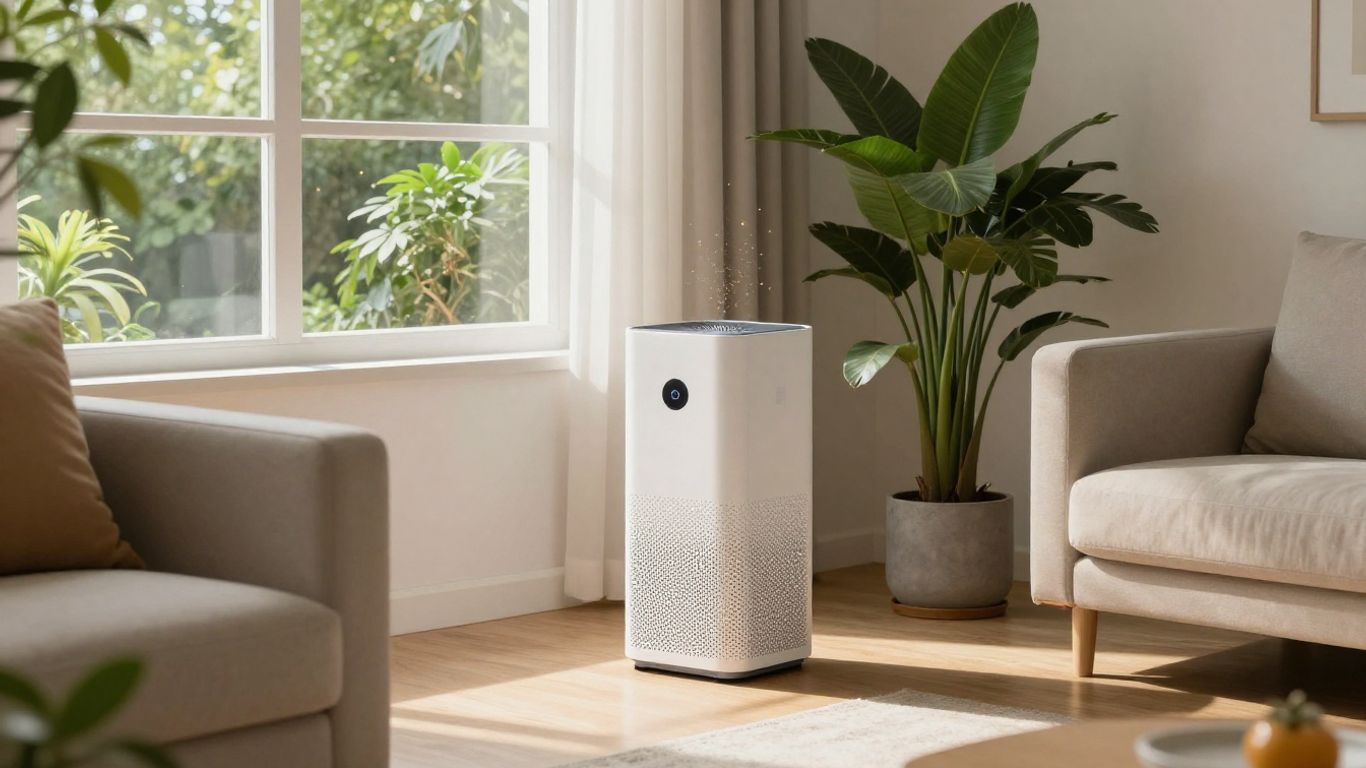
When pollen counts are high in Searcy, we need to pay extra attention to the air inside our homes. It’s easy to think that closing the doors and windows is enough, but pollen particles are tiny and can sneak in. That’s where improving our home’s air filtration comes in. Making sure our air filters are top-notch can make a big difference in how much pollen actually gets into the air we breathe indoors.
Utilize High-Efficiency Particulate Air (HEPA) Filters
HEPA filters are designed to capture very small particles, including pollen. They work by forcing air through a fine mesh that traps even microscopic irritants. When pollen season hits, we should consider using air purifiers equipped with HEPA filters in the rooms where we spend the most time, like bedrooms or living areas. These units can significantly reduce the amount of pollen circulating in your home.
Regularly Change HVAC Filters
Our central heating, ventilation, and air conditioning (HVAC) system is a major player in our home’s air quality. The filter in your HVAC unit traps a lot of the dust, dander, and, yes, pollen that comes through. If this filter gets clogged, it can’t do its job effectively, and it can even make your system work harder. We need to check these filters more often during peak pollen times. A good rule of thumb is to inspect them monthly and replace them as needed, usually every one to three months, depending on the filter type and how much pollen is around.
Here’s a quick guide:
- Check monthly: During high pollen seasons, a quick visual check is a good idea.
- Replace when dirty: Don’t wait for the recommended time if the filter looks visibly clogged.
- Use the right MERV rating: For pollen, a MERV rating of 11-13 is generally recommended for good filtration without overly restricting airflow.
Keeping your HVAC filter clean is one of the simplest yet most effective ways to manage indoor air quality during allergy season. It’s a small task that yields big results for our comfort.
Implement Effective Indoor Air Quality Solutions
When pollen counts are high in Searcy, we need to think about what’s happening inside our homes. It’s not just about keeping the doors shut; we can actively make our indoor air cleaner. Let’s look at a couple of ways we can do this.
Control Indoor Humidity Levels
Humidity plays a bigger role in air quality than many people realize. When the air is too damp, it can encourage the growth of mold and dust mites, which can also bother our allergies. On the flip side, air that’s too dry can make our nasal passages feel irritated, making us more sensitive to pollen. We aim for a humidity level between 30% and 50%.
- Using a dehumidifier or humidifier can help keep things in the right range.
- Check for leaks around windows and in the bathroom; fix them promptly.
- Ventilate bathrooms and kitchens after use to remove excess moisture.
Keeping humidity in check helps create an environment less friendly to allergens like mold and dust mites, while also making our airways feel more comfortable.
Ventilate Strategically
We might think we should keep everything sealed up tight during peak pollen, but sometimes, a bit of fresh air is needed. The trick is to do it smartly. We don’t want to let a lot of pollen in, but stale indoor air isn’t great either.
- Ventilate during times when pollen counts are lower. This is usually in the early morning or late evening, after a rain shower can help clear the air.
- Use exhaust fans in the kitchen and bathroom to pull moisture and odors out, but make sure they vent outside.
- Consider a whole-house ventilation system if you’re looking for a more automated way to bring in fresh air while filtering it.
We can use our HVAC system’s fan to circulate air, which helps keep it moving through our filters, even when we’re not actively heating or cooling. Just setting the fan to ‘on’ instead of ‘auto’ can make a difference.
Minimize Pollen Entry and Accumulation
When pollen counts are high in Searcy, we need to be extra careful about what gets into our homes. It’s not just about keeping the windows shut, though that’s a big part of it. We’re talking about creating a bit of a barrier, so to speak, against those tiny invaders.
Keep Windows and Doors Closed
This might sound obvious, but it’s the first line of defense. During peak pollen season, especially on windy days or when the pollen count is reported as very high, we should make a conscious effort to keep our windows and doors shut as much as possible. Think of it like this: if you don’t want bugs getting in, you close the screens. Pollen is similar, just much smaller and harder to see. Even a slightly open window can let a surprising amount of pollen inside. We can still get fresh air, but we’ll need to be strategic about it, which we’ll cover later.
Clean Surfaces Frequently
Pollen doesn’t just float around; it settles. It lands on our floors, our furniture, our countertops, and even our pets. This means we need to get into a routine of cleaning these surfaces regularly.
- Wipe down hard surfaces: Use a damp cloth or a microfiber duster. A dry duster can just move the pollen around, so damp is better. This includes tables, shelves, and any other flat areas where pollen might collect.
- Vacuum carpets and rugs: If you have carpets, vacuuming them often is key. Consider using a vacuum cleaner with a HEPA filter to trap the pollen instead of just blowing it back into the air.
- Wash pet bedding and toys: Our furry friends can track pollen in from outside. Cleaning their belongings helps reduce the amount of pollen circulating indoors.
We need to remember that pollen is sticky. It clings to things. So, a quick sweep might not be enough. We’re aiming for a thorough clean that actually removes the pollen, not just redistributes it.
We also need to think about our clothes and hair when we come inside. If we’ve been outdoors, pollen can stick to us. Shaking off clothes before entering the house or even changing clothes right after coming inside can make a difference. It’s a small step, but it helps keep our indoor air cleaner. The goal is to prevent pollen from entering and accumulating in the first place.
Wrapping Up Our Indoor Air Quality Tips
So, we’ve gone over a few ways we can all try to keep our homes feeling a bit fresher when the pollen count is high here in Searcy. It’s not always easy, especially when those tiny particles seem to get everywhere. But by taking some simple steps, like keeping windows shut and running our air purifiers, we can make a real difference in how comfortable we feel inside. We hope these tips help you breathe a little easier during allergy season. Let’s all aim for a more comfortable indoor environment.
Frequently Asked Questions
What are HEPA filters and why should we use them?
HEPA stands for High-Efficiency Particulate Air. These filters are super good at catching tiny particles like pollen, dust, and pet dander. By using them in our air purifiers or HVAC systems, we can trap a lot of the stuff that makes us sneeze and feel yucky, keeping our indoor air much cleaner.
How often should we change our air filters?
It’s a good idea to check your air filters every month, especially when pollen is high. We recommend changing them at least every three months, or sooner if they look really dirty. Dirty filters don’t work as well and can make your heating and cooling system work harder.
Is it ever okay to open our windows during pollen season?
Generally, we advise keeping windows and doors shut tight when pollen counts are high. Opening them lets all those pesky pollen particles float right into our homes. It’s better to use fans or air conditioning to keep the air moving and cool inside.
