


Allergy season in Searcy can make staying inside feel like a trap. We often think of pollen as an outdoor problem, but it finds its way inside, making our homes less of a sanctuary. This can be tough, especially for those of us who deal with sniffles and sneezes every year. We’re looking at ways to make our indoor spaces cleaner and more comfortable when those seasonal allergens are at their worst.
Key Takeaways
- We can improve the air inside our homes by knowing what common allergens are around and how they get in.
- Using air filters and making sure our homes have good air exchange are practical steps for cleaner air.
- Sometimes, getting professional indoor air quality services is the best way to tackle persistent allergy issues.
Enhancing Your Home’s Air Purity
When allergy season rolls around here in Searcy, we often think about staying indoors more. But what if the air inside our homes isn’t as clean as we hope? We can take steps to make our indoor air better, especially when pollen counts are high.
Understanding Common Indoor Allergens
It’s easy to forget that our homes can trap things that make us sneeze and itch. Dust mites are tiny creatures that live in our bedding, carpets, and upholstery. Pet dander, those little flakes of skin from our furry friends, floats around easily. Mold spores can grow in damp areas like bathrooms or basements. Even outdoor pollen can find its way inside through open windows and doors. Identifying these common culprits is the first step to breathing easier.
- Dust mites
- Pet dander
- Mold spores
- Pollen
Professional Indoor Air Quality Services
Sometimes, just opening windows or vacuuming isn’t enough. We might need a bit more help. Professional services can test our home’s air and figure out exactly what’s causing problems. They can look for things we can’t see, like high levels of certain particles or gases.
Professionals have tools and knowledge to pinpoint air quality issues that might be missed during regular cleaning. They can offer tailored advice based on your specific home and the types of allergens present.
These services can include:
- Air testing to measure pollutant levels.
- Identifying sources of mold or other contaminants.
- Recommendations for specific air purification systems.
- Duct cleaning to remove built-up dust and allergens.
Strategies for Allergy Relief Indoors
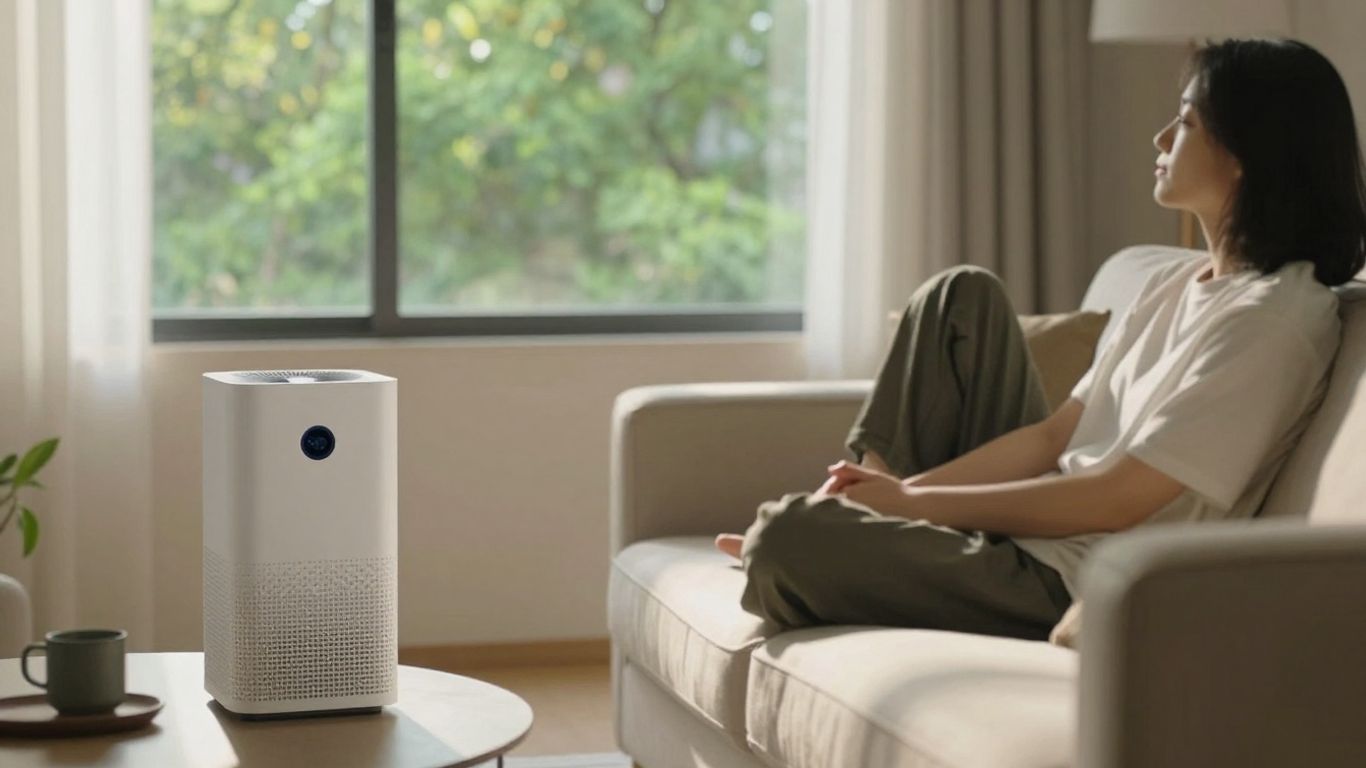
When allergy season hits Searcy, our homes should be a sanctuary, not another source of sniffles and sneezes. We’ve found that focusing on how we manage the air inside makes a big difference. It’s not just about closing windows; it’s about actively cleaning and refreshing the air we breathe every day.
Air Filtration Systems for Cleaner Air
One of the most direct ways we can tackle indoor allergens is by using good air filtration systems. These devices pull air from our living spaces, pass it through filters, and then return cleaner air. Think of it like a vacuum cleaner for the air, but much more thorough. The type of filter matters a lot. We’ve learned that HEPA (High-Efficiency Particulate Air) filters are generally the gold standard for capturing tiny particles like pollen, dust mites, and pet dander. These filters are designed to trap at least 99.97% of airborne particles 0.3 micrometers in size. When choosing a system, consider the size of the room it needs to cover and its Clean Air Delivery Rate (CADR), which tells you how quickly it can clean the air in a specific space.
- Consider a portable air purifier for high-traffic areas like bedrooms or living rooms.
- Look for models with activated carbon filters to help remove odors and gases.
- Regularly check and replace filters as recommended by the manufacturer to maintain effectiveness.
Ventilation and Air Exchange Solutions
While filtration cleans the air already inside, ventilation is about bringing in fresh air and removing stale air. This is important because even with filters, some allergens can build up. Opening windows can help, but during peak allergy season, this might let more pollen in. That’s where controlled ventilation systems come in handy. Heat Recovery Ventilators (HRVs) and Energy Recovery Ventilators (ERVs) are systems that exchange indoor air with outdoor air while minimizing energy loss. They can filter the incoming outdoor air before it enters your home, which is a big plus when pollen counts are high. These systems help maintain good air quality without making your heating or cooling system work overtime.
Proper ventilation helps reduce the concentration of indoor pollutants and allergens, creating a healthier living environment. It’s a key part of a multi-pronged approach to managing indoor air quality, especially for those sensitive to seasonal changes.
We’ve found that a combination of effective air filtration and smart ventilation strategies provides the best defense against indoor allergens during allergy season. It takes a bit of effort to set up, but the relief from breathing cleaner air is well worth it.
Wrapping Up Our Allergy Season Plan
So, we’ve talked about a few ways to make allergy season a bit easier to handle inside our homes here in Searcy. It’s not about getting rid of every single pollen grain, but more about making our living spaces more comfortable when those outdoor counts get high. We looked at air purifiers, keeping windows shut when needed, and even just simple cleaning habits. Taking these steps can really make a difference in how we feel day to day. We hope these ideas help you breathe a little easier during this time of year.
Frequently Asked Questions
What are the most common things inside our homes that can make allergies worse during allergy season?
During allergy season, several common things inside our homes can trigger allergy symptoms. Dust mites, which are tiny creatures found in bedding, carpets, and upholstery, are a major culprit. Pet dander, those tiny flakes of skin from our furry friends, also floats in the air and causes problems. Mold spores, which love damp areas like bathrooms and basements, can become a real issue. Lastly, pollen that blows in from outside can settle on surfaces and in the air we breathe indoors.
How can we make the air inside our homes cleaner to help with allergies?
We can significantly improve our indoor air quality by using effective air filtration systems. These systems trap tiny particles like pollen, dust, and dander before they circulate through our rooms. Regularly changing the filters in your HVAC system and considering portable air purifiers for specific rooms are great steps. Also, ensuring good ventilation, which means bringing fresh air in and letting stale air out, helps reduce the buildup of indoor pollutants. Simple actions like opening windows when pollen counts are low or using exhaust fans in kitchens and bathrooms make a difference.
When should we consider getting professional help for our home’s air quality?
We should consider professional help if our allergy symptoms are severe or persistent, even after trying some of the simpler solutions. If we notice signs of mold growth or have persistent dampness in areas of our home, it’s a good idea to call in experts. Professionals can test our indoor air for specific allergens and pollutants, identify the sources of the problem, and recommend tailored solutions. They can also assess and improve our home’s overall ventilation system to ensure it’s working as efficiently as possible for better air circulation.
