


We all want cleaner air inside our homes, right? But the thought of higher energy bills can make us hesitate. Fortunately, we can improve our indoor air quality without breaking the bank. It’s about working smarter with the systems we already have, especially our energy efficient HVAC systems. Let’s look at some practical ways we can achieve both.
Key Takeaways
- Using smart thermostats correctly can help manage air circulation and filtration times, balancing comfort with energy use for better air.
- Properly setting up ventilation with your energy efficient HVAC systems brings in fresh air without wasting too much heated or cooled air.
- Upgrading air filters and managing humidity levels are simple steps that make a big difference in air cleanliness and comfort, while still being mindful of energy consumption.
Optimizing Your Energy Efficient HVAC Systems For Cleaner Air
When we talk about keeping our homes comfortable and our energy bills in check, our heating, ventilation, and air conditioning (HVAC) system is usually front and center. But it’s not just about temperature; this system plays a big role in the air we breathe every day. Making sure our energy-efficient HVAC is working its best for air quality doesn’t have to mean higher costs. It’s about smart choices and a little bit of know-how.
Smart Thermostat Strategies For Air Quality
Smart thermostats have really changed the game for home comfort and efficiency. Beyond just setting schedules, many now have features that can help with indoor air quality. We can program them to run the fan more often, even when the heating or cooling isn’t active. This circulates air through the system’s filter more regularly, catching dust and other particles. This simple adjustment can make a noticeable difference in how fresh the air feels.
Here are a few ways we can use smart thermostats to our advantage:
- Set Fan Circulation: Many smart thermostats allow you to set the fan to ‘On’ or ‘Circulate’ mode. This runs the fan periodically to move air through your filters. We usually set this for a few minutes every hour.
- Monitor Air Quality Sensors: Some advanced models can connect to or have built-in air quality sensors. They can then adjust fan run times or ventilation based on detected levels of pollutants.
- Integrate with Ventilation: If we have a separate ventilation system, a smart thermostat can sometimes coordinate with it, turning on ventilation when needed based on indoor air conditions.
We found that running the fan for 15 minutes every hour, even on mild days, helped reduce that stuffy feeling without a big jump in our electricity bill. It’s a good balance.
Understanding Ventilation With Energy Efficient HVAC Systems
Ventilation is key to bringing fresh air into our homes and removing stale, polluted air. With energy-efficient HVAC systems, the goal is to do this without losing a lot of heated or cooled air. This is where systems like Heat Recovery Ventilators (HRVs) and Energy Recovery Ventilators (ERVs) come in. They work by exchanging air between the inside and outside, pre-conditioning the incoming fresh air with the outgoing stale air. This means we get the benefit of fresh air without the energy penalty.
Here’s a quick look at how they help:
- Continuous Air Exchange: HRVs and ERVs provide a steady stream of fresh air, which is important for diluting indoor pollutants like VOCs and CO2.
- Energy Savings: They capture a significant portion of the heat (in winter) or coolness (in summer) from the outgoing air, reducing the load on our main HVAC system.
- Humidity Management: ERVs, in particular, can also transfer moisture, helping to manage indoor humidity levels, which is another aspect of good air quality.
Choosing the right ventilation strategy, especially when paired with an energy-efficient HVAC, is a smart move for both our health and our wallets. It’s about making sure our homes are comfortable, healthy, and affordable to run.
Leveraging Technology For Healthier Indoor Environments
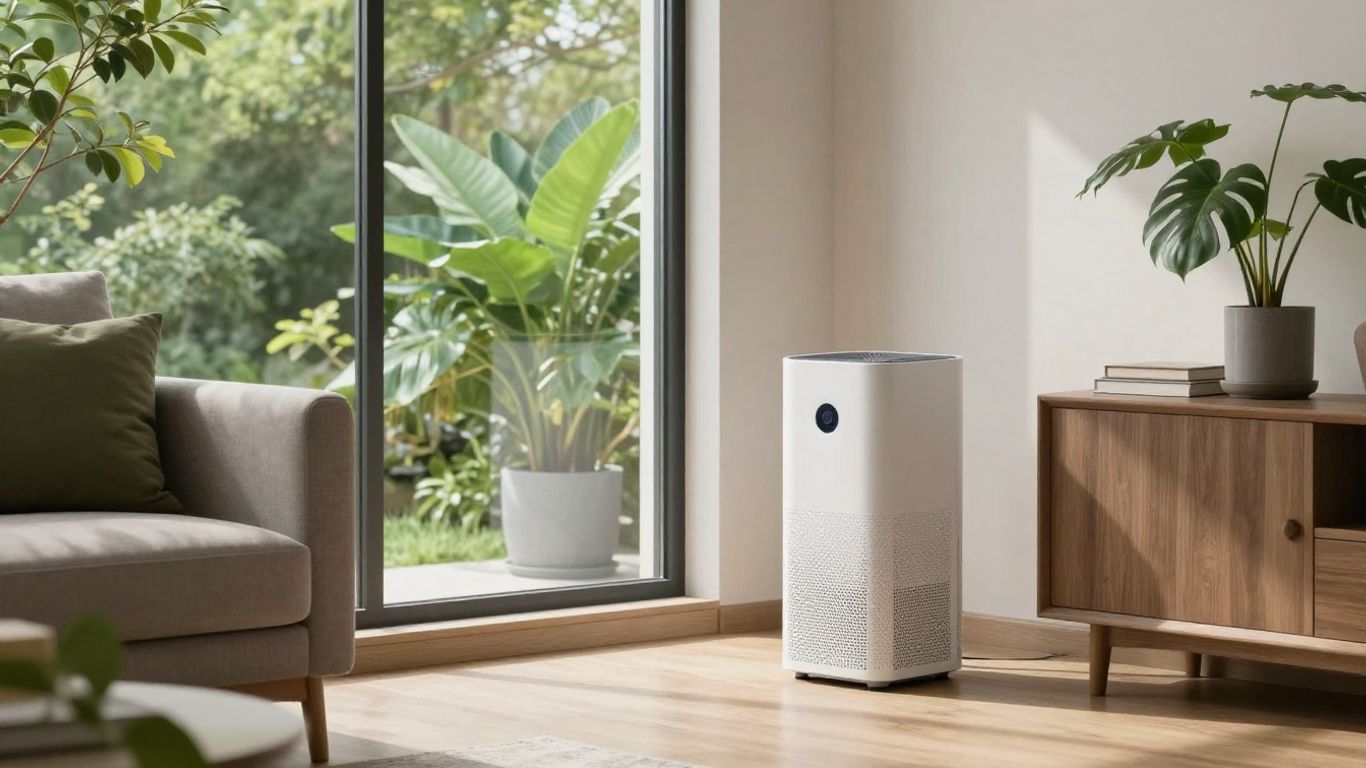
We often think about technology in our homes in terms of entertainment or convenience, but it plays a big role in our health too, especially when it comes to the air we breathe. When we talk about keeping our homes healthy, we’re not just talking about keeping things clean; we’re talking about actively managing the air quality. This is where some smart tech can really make a difference without costing us a fortune in energy.
Air Filtration Enhancements For Energy Efficient HVAC Systems
Your HVAC system is the lungs of your home, and the filter is its first line of defense. Upgrading your filter can have a noticeable impact. Standard fiberglass filters are cheap, but they don’t catch much beyond the big stuff. We’ve found that moving to a higher MERV (Minimum Efficiency Reporting Value) rated filter can trap smaller particles like dust mites, pollen, and even some bacteria. Just be sure your HVAC system can handle the increased airflow resistance of a higher MERV filter; check your system’s manual or consult a professional. Too much resistance can strain your system and actually reduce airflow, making it work harder and use more energy.
Here’s a quick look at MERV ratings:
| MERV Rating | What it Captures |
|---|---|
| 1-4 | Larger particles like lint, carpet fibers |
| 5-8 | Finer dust, pollen, mold spores |
| 9-12 | Smaller dust particles, pet dander, auto emissions |
| 13-16 | Bacteria, smoke particles, very fine allergens |
Beyond just filters, some newer HVAC systems can accommodate electronic air cleaners or UV germicidal lights. These technologies can help neutralize airborne pathogens and allergens. While they do use a small amount of electricity, their long-term benefits for air purity can be significant, especially for those with allergies or respiratory issues. We’ve seen good results with these, and they don’t add a huge burden to our energy use.
Humidity Control And Its Impact On Air Quality
Humidity is another factor that technology can help us manage. Too much moisture in the air can lead to mold growth and dust mites, both of which are bad for air quality and can trigger allergies. On the other hand, air that’s too dry can cause discomfort, dry out our skin and airways, and even make us more susceptible to colds. Maintaining a relative humidity level between 30% and 50% is generally considered ideal for health and comfort.
Smart thermostats and whole-home humidifiers/dehumidifiers are the key players here. Many modern thermostats can be programmed or even learn your habits to control your HVAC system’s fan and cooling cycles to help manage humidity. For more precise control, a whole-home humidifier or dehumidifier can be integrated with your HVAC. These systems work automatically, adding or removing moisture as needed based on sensor readings. This automation means they only run when necessary, which helps keep energy bills in check while providing a more consistent and healthy indoor environment. We found that setting up our smart thermostat to manage humidity alongside temperature made a noticeable difference in how fresh the air felt, especially during those in-between seasons.
Managing humidity isn’t just about comfort; it’s a proactive step against common indoor air pollutants like mold and dust mites. By keeping moisture levels in the right range, we create an environment that’s less hospitable to these microscopic nuisances, contributing to a healthier living space overall.
Conclusion
So, after looking at all the ways we can make our indoor air better without sending our energy bills through the roof, it’s clear there’s no single fix. We have to mix a few simple habits—like opening windows when we can, using fans, and keeping things clean—with some smart choices, like picking energy-efficient air purifiers or sealing up drafts. It’s not about spending a ton of money or making big changes overnight. Instead, we can take small steps, one at a time, and see what works best for our homes. In the end, we all want to breathe easier and keep our wallets happy. If we stick with it, we’ll get there.
Frequently Asked Questions
How can we make our heating and cooling system work better for cleaner air without using too much energy?
We can start by using smart thermostats. These devices help manage your home’s temperature more efficiently, which also means they can help circulate air for better quality. Think of it like a smart brain for your air system! Also, understanding how your ventilation works with an energy-efficient system is key. This means making sure fresh air comes in without losing too much heated or cooled air, which saves energy and keeps the air fresh.
What are some easy ways we can use technology to improve the air we breathe inside our homes?
We can definitely improve our indoor air by upgrading our air filters. Better filters trap more dust and tiny particles, leading to cleaner air. When choosing filters, we should look for ones that work well with our energy-efficient systems so we don’t make the system work harder than it needs to. Another helpful step is managing the moisture in our homes. Keeping humidity at the right level prevents mold and dust mites, making the air healthier for everyone.
Are there simple tips for keeping our air clean and our energy bills down at the same time?
Absolutely! We can achieve this by being mindful of how we use our heating and cooling. For instance, setting your smart thermostat to an energy-saving schedule helps. Regularly changing or cleaning your air filters is also a big help; a clean filter lets your system run smoothly, using less energy. Don’t forget about ventilation – ensuring your home gets fresh air without wasting energy is crucial. Controlling the humidity, perhaps with a dehumidifier or humidifier only when needed, also contributes to better air quality and can prevent your system from working overtime to manage discomfort.
