


Allergy season can make spending time inside feel like a battle. We often think about staying away from pollen outdoors, but the air inside our homes can hold its own set of irritants. Improving your home’s indoor air quality solutions is a big help when sniffles and sneezes strike. Let’s look at some simple ways we can all breathe a little easier.
Key Takeaways
- We can improve our home’s air by using air filters and keeping humidity just right.
- Cutting down on things that cause allergies inside and cleaning regularly makes a big difference.
- These indoor air quality solutions help us feel better during allergy season.
Enhancing Your Home’s Indoor Air Quality Solutions
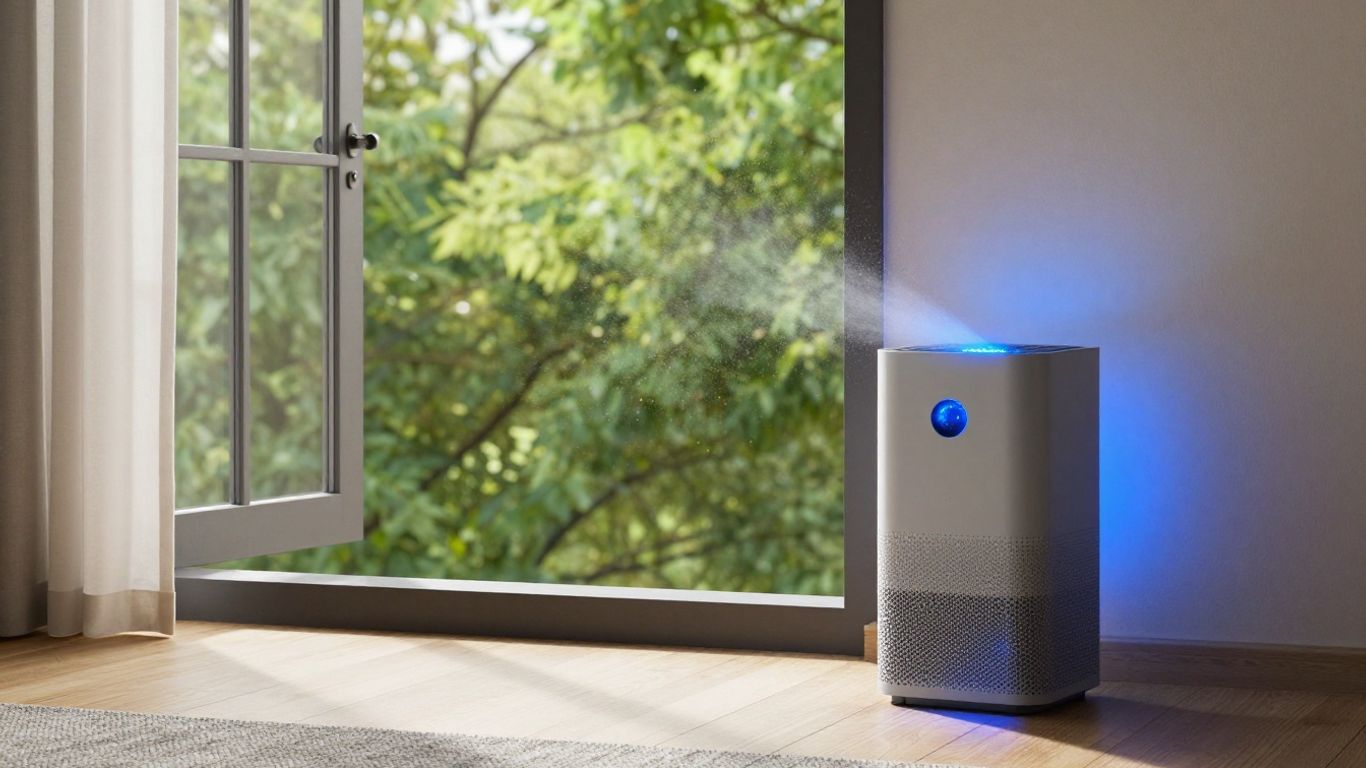
When allergy season rolls around, our homes should be a sanctuary, not a source of sniffles and sneezes. We can take steps to make our indoor air much cleaner. Improving the air we breathe inside is more achievable than you might think. Let’s look at a couple of ways we can do this.
Implementing Air Filtration Systems
Air purifiers and high-efficiency filters for your HVAC system are game-changers. These systems work by trapping airborne particles like pollen, dust mites, and pet dander before they can circulate through your home. When choosing an air purifier, look for models with HEPA (High-Efficiency Particulate Air) filters. These are designed to capture at least 99.97% of particles that are 0.3 microns in size. That’s tiny! For your HVAC system, consider upgrading to filters with a MERV (Minimum Efficiency Reporting Value) rating of 11 or higher. While these might cost a bit more upfront, the difference in air quality is noticeable.
- HEPA filters: Excellent for capturing very small particles.
- MERV 11+ filters: Good for whole-house filtration through your existing HVAC.
- Activated carbon filters: Can help remove odors and some gases.
We found that running a portable air purifier in our bedroom made a big difference overnight. It seemed like we woke up with clearer sinuses.
Maintaining Optimal Humidity Levels
Humidity plays a surprisingly big role in indoor air quality. Too much moisture can encourage the growth of mold and dust mites, both common allergens. On the flip side, air that’s too dry can irritate our nasal passages, making us more susceptible to allergens. The ideal indoor humidity level is generally between 30% and 50%.
- Use a hygrometer: This simple device measures humidity levels. They’re inexpensive and easy to find.
- Dehumidifiers: If your home is consistently too damp, especially in basements or bathrooms, a dehumidifier can help.
- Humidifiers: In dry climates or during winter when heating systems dry out the air, a humidifier can add needed moisture.
Keeping humidity in check helps prevent the growth of mold and dust mites, which are major culprits for allergy sufferers. It also makes breathing more comfortable.
We noticed a significant reduction in that musty smell in our basement after we started using a dehumidifier. It really made a difference.
Practical Indoor Air Quality Solutions for Allergy Sufferers
When allergy season hits, our homes should be a sanctuary, not a source of sneezes and sniffles. We can take several practical steps to make our indoor spaces more breathable. Reducing the amount of allergens that get inside is our first line of defense.
Reducing Allergen Sources Indoors
Think about what comes into your home from the outside. Pollen, for instance, is a big one. When we come inside, we track it in on our clothes, shoes, and even our pets. It’s a good idea to have a "no shoes" policy at the door, or at least a designated spot to leave outdoor footwear. Wiping down pets after they’ve been outside can also make a difference. We also need to consider things like dust mites, which love warm, humid environments, and pet dander if we have furry friends.
- Change clothes after spending extended time outdoors, especially if pollen counts are high.
- Groom pets regularly to minimize dander.
- Consider washable rugs near entryways to trap outdoor debris.
We often don’t realize how much we carry inside with us. Being mindful of this can significantly cut down on the allergens circulating in our air.
Regular Cleaning for Cleaner Air
Consistent cleaning is key to keeping allergens at bay. It’s not just about making things look tidy; it’s about actively removing the particles that trigger our allergies. We need to be thorough and frequent.
- Vacuuming: Use a vacuum cleaner with a HEPA filter. This traps tiny particles instead of just blowing them back into the air. Aim to vacuum carpets and upholstery at least twice a week, more if you have pets or high pollen counts.
- Dusting: Use a damp cloth or microfiber duster. Dry dusting can just move allergens around. Pay attention to surfaces like shelves, tables, and electronics.
- Washing Bedding: Wash sheets, pillowcases, and blankets weekly in hot water. This helps kill dust mites and wash away allergens.
- Cleaning Curtains and Blinds: These can collect a lot of dust and pollen. Wash or wipe them down regularly, perhaps monthly.
We might also want to think about the frequency of our cleaning. What works for general tidiness might not be enough when allergies are acting up. A little extra effort can go a long way in making our homes more comfortable during these times.
Wrapping Up Our Allergy Season Air Quality Tips
So, we’ve gone over a few ways we can all try to make our homes a bit more comfortable when pollen counts are high. It’s not about achieving perfect air, but about taking steps that make a real difference for us. Cleaning filters, keeping windows shut when needed, and maybe even looking into an air purifier are all things we can do. We hope these ideas help you breathe a little easier during allergy season. It’s worth the effort to feel better in our own spaces.
Frequently Asked Questions
What’s the best way to keep pollen out of our house when allergy season hits?
To keep pollen out, we should focus on sealing up our homes. This means keeping windows and doors shut as much as possible. Also, using good air filters in our heating and cooling systems can really help catch those tiny pollen particles before they spread around our living spaces.
How often should we be cleaning to help with allergies?
Regular cleaning is super important. We recommend vacuuming carpets and dusting surfaces at least once or twice a week. Don’t forget to wash bedding often in hot water, as this helps get rid of dust mites and other allergens that can build up and make us sneeze.
Does humidity affect indoor air quality for allergy sufferers?
Yes, it absolutely does. If the air in our home is too damp, it can encourage mold and dust mites to grow, which are common allergy triggers. On the flip side, air that’s too dry can irritate our airways. We aim for a humidity level between 30% and 50% to keep things comfortable and less bothersome for our allergies.
