


Spring in Searcy often brings a lot of rain, and with that comes damp air inside our homes. This can make things feel sticky and uncomfortable, and it can even lead to bigger problems like mold. We’ve put together some simple tips to help manage the moisture and keep your living space pleasant, even when it’s pouring outside. Let’s look at some practical ways to improve your home’s air quality.
Key Takeaways
- We need to pay attention to how much moisture is in our homes, especially during the rainy season. Knowing the levels helps us pick the right tools, like a dehumidifier, to fix the problem.
- Using fans in bathrooms and kitchens, and opening windows at the right times, can really help move damp air out and bring drier air in.
- We should also think about where extra moisture comes from, like cooking or showers, and check for any leaks or water getting into the house from outside.
Implementing Effective Humidity Control Solutions
Dealing with the dampness that comes with Searcy’s rainy spring can feel like a constant battle. We’ve found that getting a handle on indoor humidity levels is the first step to making our homes more comfortable and preventing potential problems. It’s not just about feeling sticky; high humidity can encourage mold growth and make that damp feeling linger.
Understanding Indoor Humidity Levels
Knowing what’s going on inside our homes is key. We can use a simple tool called a hygrometer to measure the relative humidity. Ideally, we aim for indoor humidity levels between 30% and 50%. Anything consistently above that can start to cause issues. We’ve noticed that during these wet spring months, our hygrometers often creep up into the 60s or even higher if we’re not careful. Keeping an eye on this number helps us know when it’s time to take action.
Here’s a quick look at what different humidity levels can mean:
| Humidity Level | What to Expect |
|---|---|
| Below 30% | Air feels dry, potential for static electricity. |
| 30% – 50% | Comfortable and healthy indoor environment. |
| 50% – 60% | Noticeable dampness, potential for mold and mildew growth. |
| Above 60% | Significant dampness, increased risk of mold, dust mites, and material damage. |
Choosing the Right Dehumidifier
If our readings show consistently high humidity, a dehumidifier is often the most effective solution. But with so many options out there, picking the right one can be confusing. We need to consider the size of the space we want to dehumidify and how much moisture it typically collects.
- Portable Dehumidifiers: These are great for smaller areas like bathrooms, basements, or single rooms. They’re easy to move around.
- Whole-House Dehumidifiers: These are integrated into your HVAC system and manage humidity for the entire home. They’re a bigger investment but offer consistent control.
When selecting a unit, look at its capacity (how many pints of water it can remove per day) and its energy efficiency. Some models also come with features like automatic shut-off when the tank is full or continuous drainage options, which are really convenient. We found that a unit rated for a larger area than we initially thought we needed worked best for our basement during particularly damp spells.
Ventilation Strategies for Moisture Management
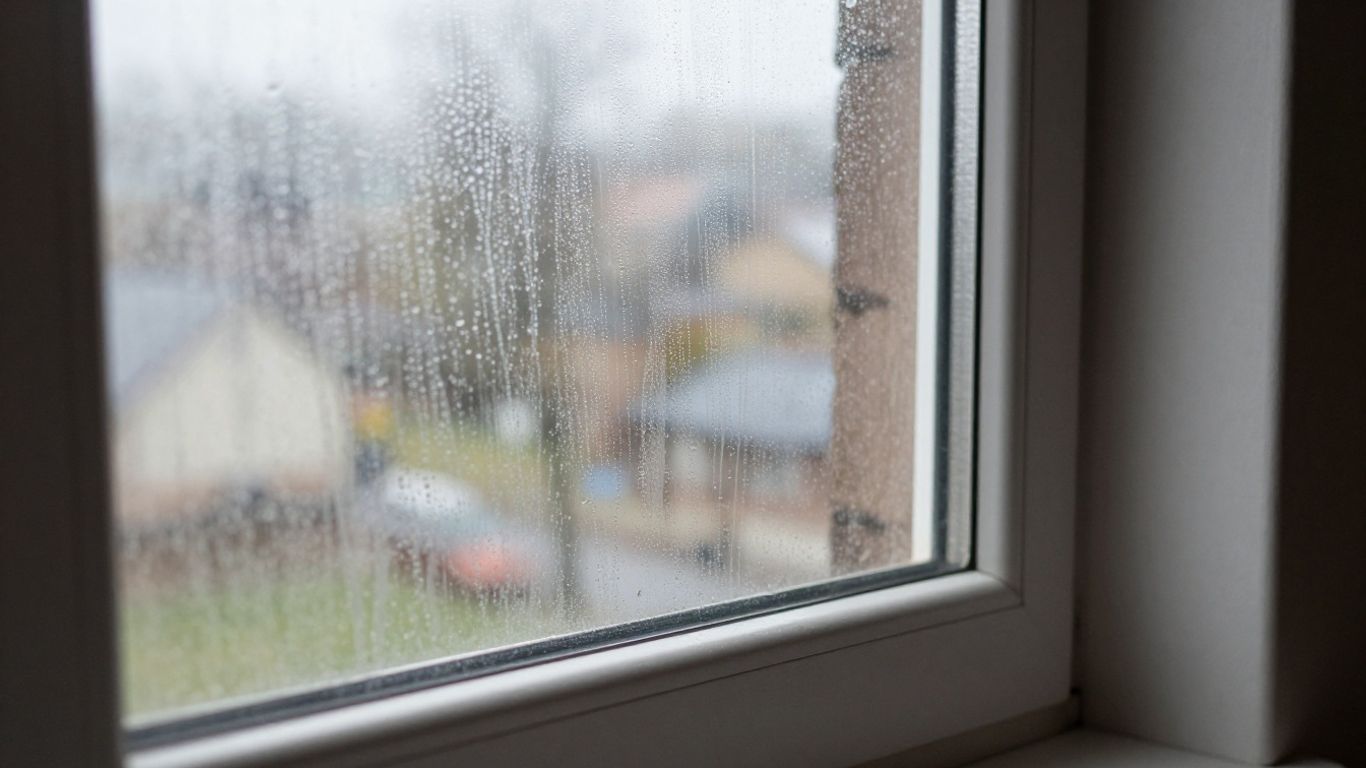
Even with a good dehumidifier, managing moisture in our Searcy homes during the rainy spring means we need to think about how air moves. Proper ventilation is key to pushing out that damp air and bringing in drier air when possible. It’s not just about opening windows; it’s about smart air exchange.
Maximizing Airflow with Exhaust Fans
Exhaust fans in bathrooms and kitchens are our first line of defense against moisture buildup. When we’re showering or cooking, a lot of water vapor gets released into the air. Running these fans for a good while after we’re done can make a big difference. We often forget to leave them on long enough, but it’s important to let them clear out the humid air. Think of them as little air scrubbers for your home.
- Bathroom Fans: Run during and for at least 20-30 minutes after showering or bathing.
- Kitchen Fans: Use the range hood fan when cooking, especially when boiling water or frying, and let it run for a bit afterward.
- Laundry Room Fans: If you have one, use it when drying clothes, as dryers can also release moisture.
We sometimes see moisture problems in areas where exhaust fans are either not used, not powerful enough, or vented improperly. Making sure they vent directly outside, not into the attic, is a common fix we recommend.
Strategic Window Ventilation
Opening windows can be a great way to air out the house, but we have to be smart about it, especially in Searcy’s spring. If it’s raining heavily outside, opening windows will just let more moisture in. The trick is to ventilate when the outside air is drier than the inside air. This often means opening windows for short periods on drier days, perhaps in the morning before the humidity really climbs, or during brief dry spells.
- Cross-Ventilation: Open windows on opposite sides of the house to create a breeze that pushes moist air out.
- Timing is Everything: Check a local weather app for the dew point or humidity levels. If it’s lower outside than inside, it’s a good time to ventilate.
- Short Bursts: Even 15-30 minutes of airing out can help, especially if you’ve been doing moisture-producing activities like laundry or cooking.
We need to be mindful of pollen counts too, as spring often brings those. So, it’s a balance between managing humidity and dealing with allergens. Sometimes, a quick ventilation is better than leaving windows open all day when the air outside isn’t helping our cause.
Addressing Common Sources of Excess Moisture
Even with the best dehumidifiers and ventilation, we can still bring a lot of moisture into our homes, especially during Searcy’s rainy spring. It’s easy to overlook how everyday activities contribute to dampness. Let’s look at where this extra moisture comes from and how we can manage it.
Managing Moisture from Household Activities
Many common household chores release significant amounts of water vapor into the air. Cooking, showering, and even drying clothes indoors are major culprits. We need to be mindful of these activities and take simple steps to reduce their impact.
- Cooking: Boiling water for pasta or steaming vegetables releases a lot of steam. Always use your kitchen exhaust fan when cooking, especially when boiling or frying. If you don’t have one, opening a nearby window can help, though it’s less effective.
- Showering/Bathing: Hot showers create a lot of steam. Run your bathroom exhaust fan for at least 15-20 minutes after you finish showering. If you don’t have a fan, open the bathroom door and a window.
- Drying Clothes: Air-drying clothes indoors, particularly in a small space, can add a substantial amount of moisture to the air. If possible, use a vented dryer or hang clothes outside when the weather permits.
We often don’t realize how much water vapor our daily routines introduce. Simple habits, like consistently using exhaust fans, can make a big difference in controlling indoor humidity levels throughout the spring.
Preventing Water Intrusion
Beyond the moisture we create inside, external water can find its way into our homes, leading to dampness and potential damage. We need to be proactive about checking for and fixing any leaks or entry points for water.
- Check for Leaks: Regularly inspect plumbing under sinks, around toilets, and behind appliances like dishwashers and washing machines. Even small drips can add up.
- Foundation and Walls: Look for cracks in your foundation or walls, especially after heavy rains. Water can seep through these openings.
- Roof and Gutters: Ensure your roof is in good condition and that gutters are clear and directing water away from your home’s foundation. Clogged gutters can cause water to back up and overflow near the house.
- Window Seals: Check the seals around your windows. Damaged seals can allow rain to enter your home.
Addressing these internal and external moisture sources is key to maintaining a comfortable and healthy indoor environment during the wet spring months. We should also consider the relative humidity in different areas of our homes; basements and crawl spaces are common areas where moisture can accumulate unnoticed.
Wrapping Up Our Humidity Talk
So, we’ve gone over a few ways to keep things from getting too damp in our homes around Searcy as this spring rain keeps coming. It’s not always easy, and sometimes it feels like a constant battle, but taking these steps can really make a difference. We hope these tips help you feel more comfortable and keep your house in better shape. Don’t forget, a little attention now can prevent bigger problems later. Let’s all try to make our homes a bit drier and more pleasant this season.
Frequently Asked Questions
How can we tell if our home has too much moisture?
We can look for signs like sticky doors or windows, a musty smell, or seeing mold or mildew on walls and ceilings. Checking your home’s humidity level with a simple gadget called a hygrometer is also a good idea. Ideally, indoor humidity should be between 30% and 50%.
What’s the best way to get rid of extra moisture in our house during rainy spring days?
Using exhaust fans in bathrooms and kitchens when we shower or cook is super helpful. We can also run a dehumidifier, especially in areas that feel damp. Making sure our home is well-ventilated, even with the rain, can make a big difference.
Are there simple things we can do around the house to stop moisture buildup?
Absolutely! We should try to dry clothes outside or use a dryer that vents outdoors. We also need to check for any leaks in pipes or the roof and fix them quickly. Even simple habits like wiping down wet surfaces can help prevent moisture problems.
