


When the cold weather hits, we all rely on our heating systems to keep us comfortable. But sometimes, things don’t work as they should. We’ve put together some common heating system troubleshooting tips that might help you figure out what’s going on before you need to call in a pro. It’s not always easy, but a little knowledge can go a long way.
Key Takeaways
- Many common heating problems can be identified and sometimes fixed with simple checks around your home.
- Knowing when your issue is beyond a DIY fix and requires a professional is important for safety and effective repair.
- Regular maintenance can prevent many heating system troubleshooting scenarios from happening in the first place.
Diagnosing Your Heating System Troubleshooting
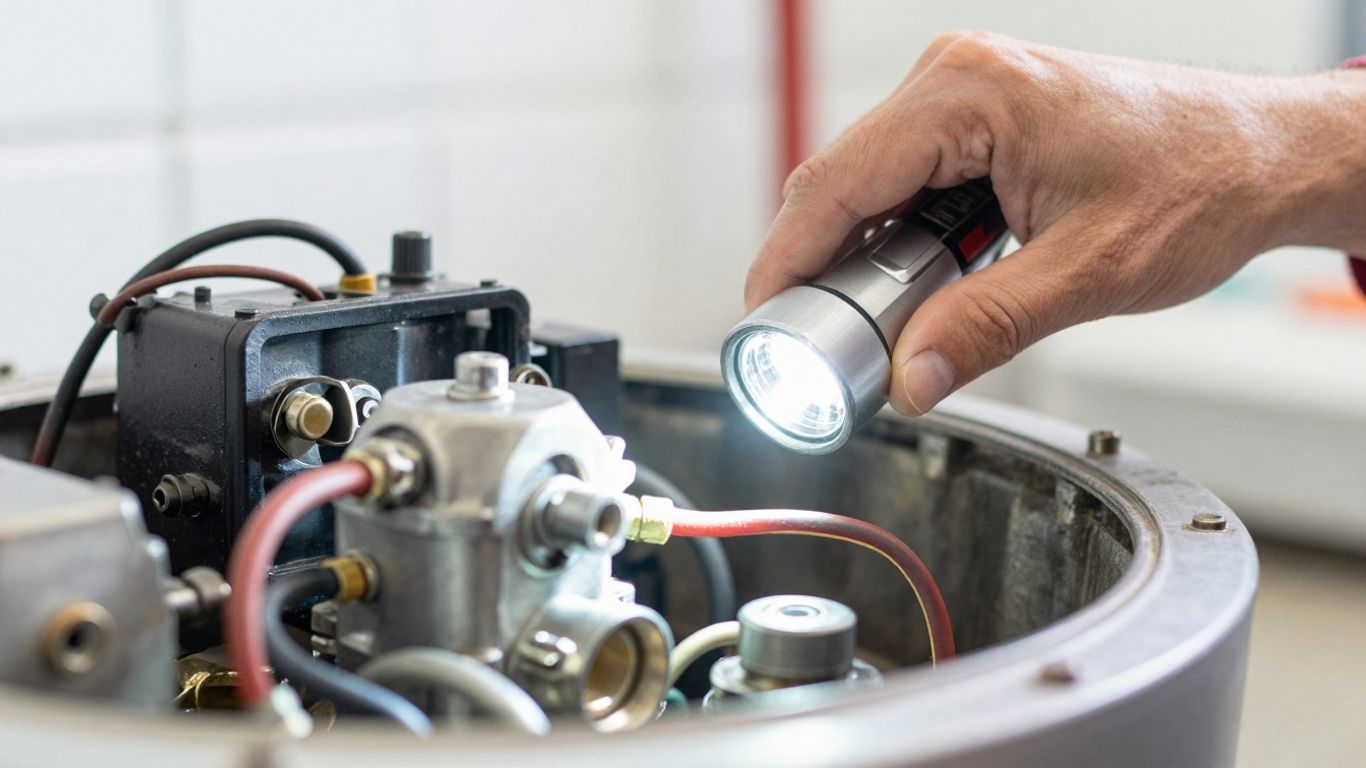
When your home’s heating system decides to act up, it can be a real headache, especially when the temperature drops. We’ve all been there, right? That moment you realize the warmth isn’t quite reaching all the rooms, or worse, the whole system is silent. Before you panic or immediately call for help, there are a few things we can look at ourselves to figure out what’s going on. Understanding the basics of how our heating works and what common problems look like can save us time and money.
Understanding Common Heating System Issues
Most heating problems boil down to a few recurring themes. It’s not usually some super complicated mechanical failure, but rather something simpler that’s gone awry. We can often spot these issues by paying attention to the signs our system gives us.
- No Heat at All: This is the most obvious problem. The thermostat might be set correctly, but nothing happens when it should. We might hear the furnace try to kick on, or it might be completely quiet.
- Uneven Heating: Some rooms are toasty while others are chilly. This often points to airflow problems or issues with how the heat is distributed throughout the house.
- Strange Noises: Banging, rattling, or whistling sounds coming from the furnace or vents are never a good sign. These noises can indicate anything from a loose part to a more serious mechanical issue.
- Pilot Light Issues: For older systems, a pilot light that won’t stay lit or won’t ignite at all is a common culprit.
- Thermostat Problems: Sometimes, the issue isn’t with the furnace itself but with the thermostat. It might be malfunctioning, have dead batteries, or be set incorrectly.
It’s helpful to keep a little log of what you observe. When did the problem start? What exactly happens (or doesn’t happen)? Are there any specific sounds or smells? This information is gold when you eventually need to talk to a professional.
Paying attention to the small details can make a big difference in pinpointing the source of the problem. Don’t just assume the worst; sometimes, the fix is surprisingly straightforward.
When to Call a Professional for Heating System Troubleshooting
While we can certainly do some basic checks, there are times when it’s best to bring in the experts. Messing with certain parts of a heating system can be dangerous or could lead to more damage if not handled correctly. We should consider calling a professional if:
- We suspect a gas leak: If you smell rotten eggs, turn off the system immediately, leave the house, and call your gas company or 911 from a safe distance. Never try to find a gas leak yourself.
- The problem involves electrical components: Working with electricity can be hazardous. If the issue seems to be with wiring or electrical parts, it’s safer to let a trained technician handle it.
- We’ve tried the simple fixes and they haven’t worked: If checking the thermostat, air filter, and breaker box doesn’t solve the problem, it’s likely something more complex.
- The system is making unusual or loud noises: Persistent banging, grinding, or screeching sounds often mean a part is failing and needs professional attention.
- We’re uncomfortable or unsure about any step: Our safety and the integrity of our heating system are the top priorities. If at any point we feel out of our depth, it’s time to call in the pros.
Addressing Specific Heating System Troubleshooting Scenarios
Sometimes, even with a good understanding of common issues, our heating systems can throw us a curveball. When that happens, we need to look at specific problems and figure out what’s going on. We’ll walk through a couple of the more frequent headaches homeowners face.
Troubleshooting a Furnace That Won’t Turn On
This is probably the most common and frustrating problem. You wake up, it’s cold, and the furnace just… sits there. Before you panic, let’s check a few things. The simplest fix is often the right one.
First, check your thermostat. Is it set to ‘Heat’ and is the temperature set higher than the current room temperature? Sometimes, it’s as simple as the battery needing a change. If the thermostat seems fine, head over to your furnace.
Look for the emergency shut-off switch. It’s usually a red switch located near the furnace itself. Make sure it’s in the ‘On’ position. Next, check your circuit breaker panel. A tripped breaker for the furnace will be in the ‘Off’ or middle position. If you find one, flip it completely off and then back on.
If you have a gas furnace, check if the gas supply valve is open. It’s typically a lever near the gas meter or the furnace. If it’s closed, turn it so it’s parallel with the pipe.
Finally, look at the furnace’s access panel. Many furnaces have a safety switch that prevents them from running if the panel isn’t properly secured. Make sure it’s clicked into place.
If none of these basic checks get your furnace running, it’s time to consider calling in a professional. There could be an issue with the ignitor, the pilot light (if you have an older model), the blower motor, or even a more complex electrical problem that requires specialized tools and knowledge.
Resolving Issues with Uneven Heating
Another common complaint is that some rooms are toasty while others are downright chilly. This can be due to a variety of factors, and thankfully, some are DIY-friendly.
- Check your air vents: Make sure they are open and not blocked by furniture, rugs, or curtains. Sometimes, just clearing the path for airflow can make a big difference.
- Inspect your air filter: A clogged air filter restricts airflow throughout the entire system. If it’s dirty, replace it. We recommend checking this monthly and replacing it every 1-3 months, depending on your home environment.
- Examine your ductwork: Look for any obvious leaks, tears, or disconnected sections in the accessible parts of your ductwork. Even small gaps can let a lot of heated air escape before it reaches its destination.
Here’s a quick look at what might be causing uneven heating:
| Potential Cause | Common Symptoms |
|---|---|
| Blocked Vents | Specific rooms are cold, others are warm |
| Dirty Air Filter | Reduced airflow everywhere, system works harder |
| Leaky Ductwork | Warm air escaping before reaching rooms |
| Poor Insulation | Drafts, cold spots, higher energy bills |
| Thermostat Placement | Room with thermostat is warmer than others |
If you’ve checked the vents and filters and still have issues, it might be time to look at insulation in your attic or walls, or consider if your thermostat is strategically placed. Sometimes, a system might just be undersized for your home, which is a bigger fix. For anything involving ductwork repairs or assessing insulation levels, we’d suggest bringing in an HVAC technician.
Wrapping Up Your Heating Troubles
So, we’ve gone over a few common heating problems and how we might tackle them. Sometimes, it’s just a simple fix, like checking the thermostat or bleeding a radiator. Other times, the issue might be a bit more involved, and that’s okay. We’re not all furnace experts, and that’s perfectly fine. If you’ve tried the basic steps and your heating still isn’t cooperating, don’t hesitate to call in a professional. They have the tools and know-how to get things sorted safely and quickly. Keeping your home warm shouldn’t be a constant battle, and knowing when to get help is part of the process.
Frequently Asked Questions
What are the most common reasons our heater might stop working?
Often, a heater might not turn on because of a tripped circuit breaker or a thermostat that’s set too low. Sometimes, the pilot light might have gone out on older models, or a filter might be so clogged it’s blocking air flow. We should check these simple things first before assuming a bigger problem.
Why does one room feel warmer than another in our house?
Uneven heating can happen for a few reasons. The air vents in the cooler rooms might be blocked by furniture, or perhaps the ducts leading to those rooms have leaks. It could also be that the thermostat isn’t sensing the temperature correctly in the main area. We’ll want to make sure all vents are open and nothing is in their way.
When should we consider calling a repair person instead of trying to fix it ourselves?
If we’ve checked the easy stuff like the thermostat and circuit breakers and our heating system still isn’t working, it’s probably time to call in an expert. Also, if we hear strange noises, smell gas, or if the problem seems complicated, it’s safest to let a professional handle it. They have the right tools and knowledge to diagnose and fix more serious issues without putting ourselves at risk.
