


As the weather turns cold, we tend to spend more time inside our homes. This means the air we breathe indoors becomes even more important. We want to make sure it’s as clean as possible. Improving your home’s air quality during winter doesn’t have to be complicated. We’ll look at simple ways to manage your heating system and cut down on things that can make the air less healthy.
Key Takeaways
- We can make sure our HVAC system is working right to move air properly. Sometimes, getting professional indoor air quality HVAC services can help with this.
- Keeping moisture in check helps stop mold from growing, which is good for the air we breathe.
- We should pay attention to what makes dust and particles in the air, especially from our heating sources, and try to reduce them.
Optimize Your Home’s Ventilation System
When winter hits, we tend to seal up our homes tight to keep the cold out. That’s smart for saving on heating bills, but it can really mess with the air inside. Our ventilation system, usually tied into our HVAC, plays a big part in keeping that air fresh. It’s not just about heating and cooling; it’s about air exchange.
Understanding Your HVAC System’s Role
Your Heating, Ventilation, and Air Conditioning (HVAC) system is the workhorse of your home’s air quality. During winter, its primary job is heating, but it also has a ventilation function. This function is supposed to bring in fresh outside air and push out stale indoor air. However, many residential systems aren’t designed for continuous fresh air intake. They often recirculate indoor air, which means pollutants can build up if not managed.
- Check your air filter regularly. A dirty filter restricts airflow and makes your system work harder. We recommend checking it monthly and replacing it as needed, typically every 1-3 months depending on the filter type and your home’s conditions.
- Consider your system’s settings. Some thermostats allow you to set the fan to ‘on’ or ‘auto’. ‘Auto’ only runs the fan when heating or cooling, while ‘on’ runs it continuously. Running the fan more often can help circulate air, but it also uses more energy.
- Look for fresh air vents. Some HVAC systems have dedicated vents for bringing in outside air. Make sure these aren’t blocked by furniture or debris.
The air inside our homes can become much more polluted than the air outside, especially when we’re spending more time indoors during colder months. Proper ventilation is key to diluting these indoor pollutants.
Professional HVAC Services for Enhanced Airflow
Sometimes, just understanding your system isn’t enough. You might need a professional to really get things working right. They can assess your current setup and suggest improvements. This could involve cleaning out ducts, which can get pretty grimy over time, or even installing new components.
- Duct Cleaning: Over years of use, dust, pet dander, and other debris can accumulate in your ductwork. This not only reduces airflow but can also recirculate these particles throughout your home. A professional cleaning can make a noticeable difference.
- System Inspection: An HVAC technician can perform a thorough inspection to identify any leaks or inefficiencies in your system. They can also check the balance of your system, making sure air is distributed evenly.
- Adding Ventilation Components: If your system is lacking in fresh air intake, a professional might suggest adding an energy recovery ventilator (ERV) or a heat recovery ventilator (HRV). These systems bring in fresh air while recovering some of the heat from the outgoing stale air, saving energy.
We found that after having our ducts professionally cleaned, the air in our home felt noticeably fresher, and our heating system seemed to run more efficiently. It was a bit of an investment, but the improvement in air quality was well worth it.
Reduce Indoor Pollutants Effectively
Winter often means we’re spending more time inside, and with that comes a greater chance of indoor air quality taking a hit. We need to be mindful of what’s getting into the air we breathe.
Controlling Moisture and Mold Growth
Excess moisture is a big problem in winter. When it’s cold outside, warm, moist air inside can hit cold surfaces like windows and walls, leading to condensation. This dampness is a perfect breeding ground for mold and mildew, which can release spores into the air, causing respiratory issues for some people.
Here are a few things we can do:
- Ventilate bathrooms and kitchens: Always use exhaust fans when showering, bathing, or cooking. Make sure they vent outside and not into the attic.
- Check for leaks: Regularly inspect pipes, roofs, and windows for any signs of water damage or leaks. Fix them promptly.
- Use a dehumidifier: In areas prone to dampness, like basements, a dehumidifier can help keep humidity levels in check. Aim for a relative humidity between 30% and 50%.
- Dry clothes properly: Avoid air-drying laundry indoors if possible. If you must, do it in a well-ventilated room or use a vented dryer.
Keeping humidity under control is key to preventing mold. It’s a simple step that makes a big difference for our health.
Minimizing Particulate Matter from Heating
Our heating systems, especially older ones or those not maintained well, can sometimes introduce pollutants into our homes. Burning fuel for heat can release gases and particles. Also, dust and debris can get stirred up when the heating system kicks on.
To combat this, we should:
- Service your furnace regularly: Have a professional check your heating system annually. They can clean it, check for leaks, and make sure it’s running efficiently and safely.
- Change air filters often: This is one of the easiest and most effective steps. Dirty filters can’t trap particles well and can even restrict airflow. Check your filter monthly and replace it as needed, typically every 1-3 months depending on the filter type and your home’s conditions.
- Keep heating vents clear: Don’t block vents with furniture or rugs. This allows for better air circulation and prevents dust from accumulating around them.
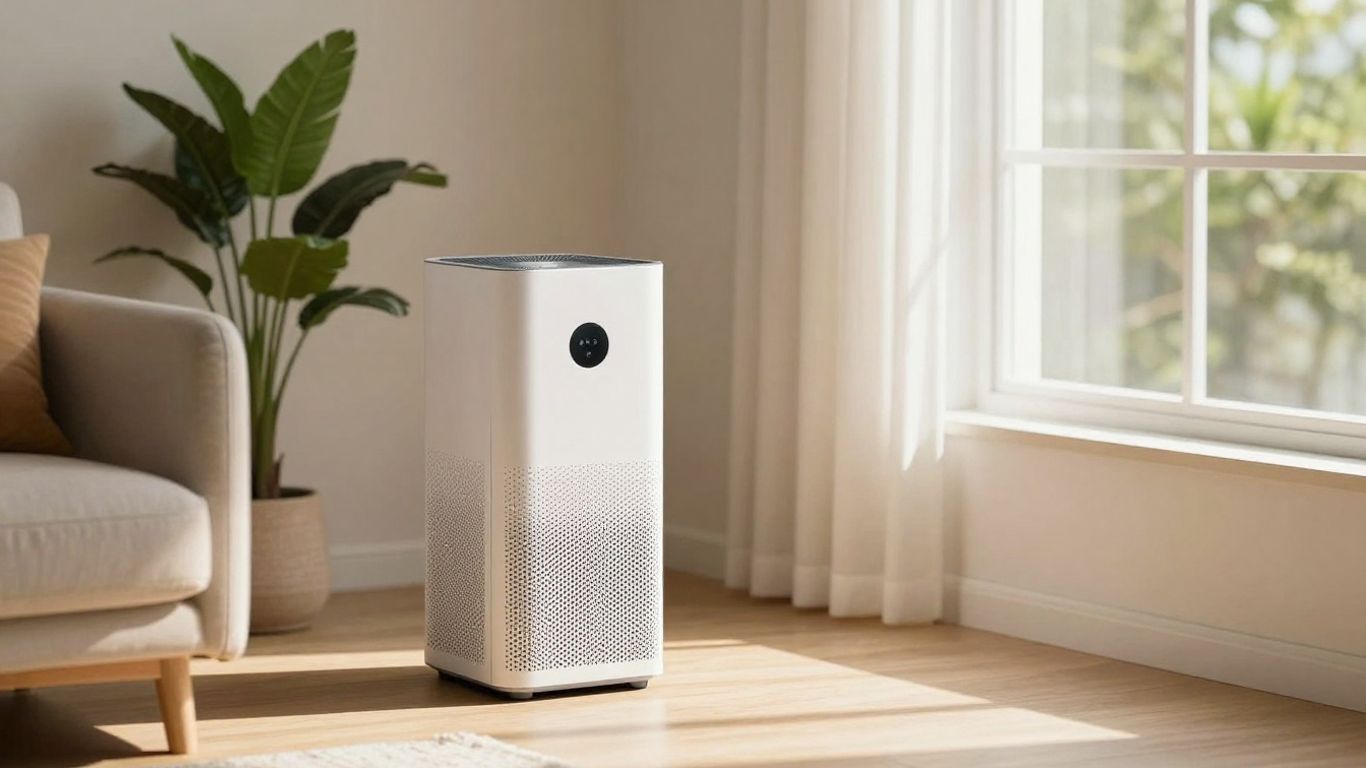
- Consider an air purifier: For an extra layer of protection, especially if anyone in the household has allergies or asthma, a portable air purifier with a HEPA filter can help capture fine particulates from the air.
Regular maintenance of our heating equipment is not just about efficiency; it’s about protecting the air we breathe indoors.
Wrapping Up Our Winter Air Quality Tips
So, we’ve gone over a few ways we can all make the air inside our homes better this winter. It’s not about doing everything perfectly, but picking a few things that work for us. Maybe it’s opening a window for a bit each day, or getting a plant or two. We can also look at how we’re heating our homes and make sure things are running right. Little changes can add up, and honestly, breathing easier makes a big difference when we’re stuck inside more often. Let’s try to make our indoor spaces a bit more comfortable and healthy for everyone.
Frequently Asked Questions
How can we make sure our heating system isn’t making the air dirty?
To keep our air clean when using heaters, we should regularly clean or replace the filters in our heating systems. Dust and other tiny particles can build up in these filters, and when the heater runs, these particles can get blown into our rooms. Also, we should make sure our heating equipment is working right by having it checked by a pro. This helps prevent it from releasing harmful stuff into the air.
What’s the best way to stop mold from growing inside our house during winter?
Mold loves damp places, and winter can bring extra moisture inside. We can help prevent mold by controlling humidity levels. Using exhaust fans in bathrooms and kitchens when we shower or cook is a good start. We should also fix any leaky pipes or roofs right away. Keeping our homes well-ventilated, even when it’s cold, helps too.
Can we improve the air quality without a fancy ventilation system?
Yes, absolutely! Even without a complex system, we can still breathe easier. Opening windows for a short time each day, even when it’s chilly, lets fresh air in and stale air out. Using air purifiers with HEPA filters can also trap many tiny particles. Simple actions like vacuuming often with a good vacuum cleaner and dusting regularly make a big difference.
