


Keeping our homes warm when it gets cold outside is important. We all want our heating systems to work well and last a long time. Sometimes, though, these systems can get a bit worn out. We’re going to look at some simple ways we can take care of our heating systems. This will help them run better and avoid problems. Good heating system maintenance is key to making sure we stay comfortable all winter.
Key Takeaways
- Changing the air filter regularly is a simple but very effective part of heating system maintenance. A clean filter lets the system work without struggling.
- Getting a professional to look at your heating system once a year helps catch small issues before they become big, costly repairs.
- Making sure air can move freely around your heating unit and that your thermostat is set correctly helps the whole system run more efficiently.
Essential Heating System Maintenance Practices
Keeping our heating systems in good shape is something we should all think about, especially as the weather gets colder. It’s not just about comfort; it’s about making sure our equipment runs well and lasts longer. We’ve found that a couple of regular maintenance steps really make a difference.
Regular Filter Replacement
This is probably the easiest thing we can do ourselves, and it has a big impact. The filter in your furnace or heat pump traps dust, dirt, and other particles before they get into the system’s workings or your home’s air. When this filter gets clogged up, it makes the system work harder than it needs to. This can lead to higher energy bills and put extra strain on the motor.
- We recommend checking your filter at least once a month.
- The actual replacement frequency depends on your filter type, how much you use your system, and if you have pets or allergies. Some filters might need changing every month, while others can last for three months.
- Always turn off your heating system before you try to change the filter. It’s a simple safety step.
We’ve noticed that when we stick to a filter replacement schedule, our heating unit seems to run more smoothly, and the air quality in our house feels better too.
Annual Professional Inspections
While we can handle the filters, there are some things that are best left to the pros. Getting a heating technician to come out once a year for a check-up is a smart move. They have the tools and the know-how to spot problems we might miss.
During these inspections, they typically do a few key things:
- Clean the internal components: This includes things like the blower motor and the heat exchanger, which can get dirty over time.
- Check for leaks: They’ll look for any gas or refrigerant leaks, which can be dangerous and costly.
- Test the thermostat and controls: Making sure everything is communicating correctly is important for efficient operation.
- Inspect electrical connections: Loose or corroded wires can cause all sorts of issues.
A yearly tune-up isn’t just about fixing things that are broken; it’s about preventing bigger, more expensive problems down the road. Think of it like taking your car in for its regular oil change – it keeps everything running right.
We found that scheduling this inspection in the fall, before the real cold hits, is the best approach. It gives us peace of mind knowing our system is ready for the winter ahead.
Optimizing Your Heating System’s Performance
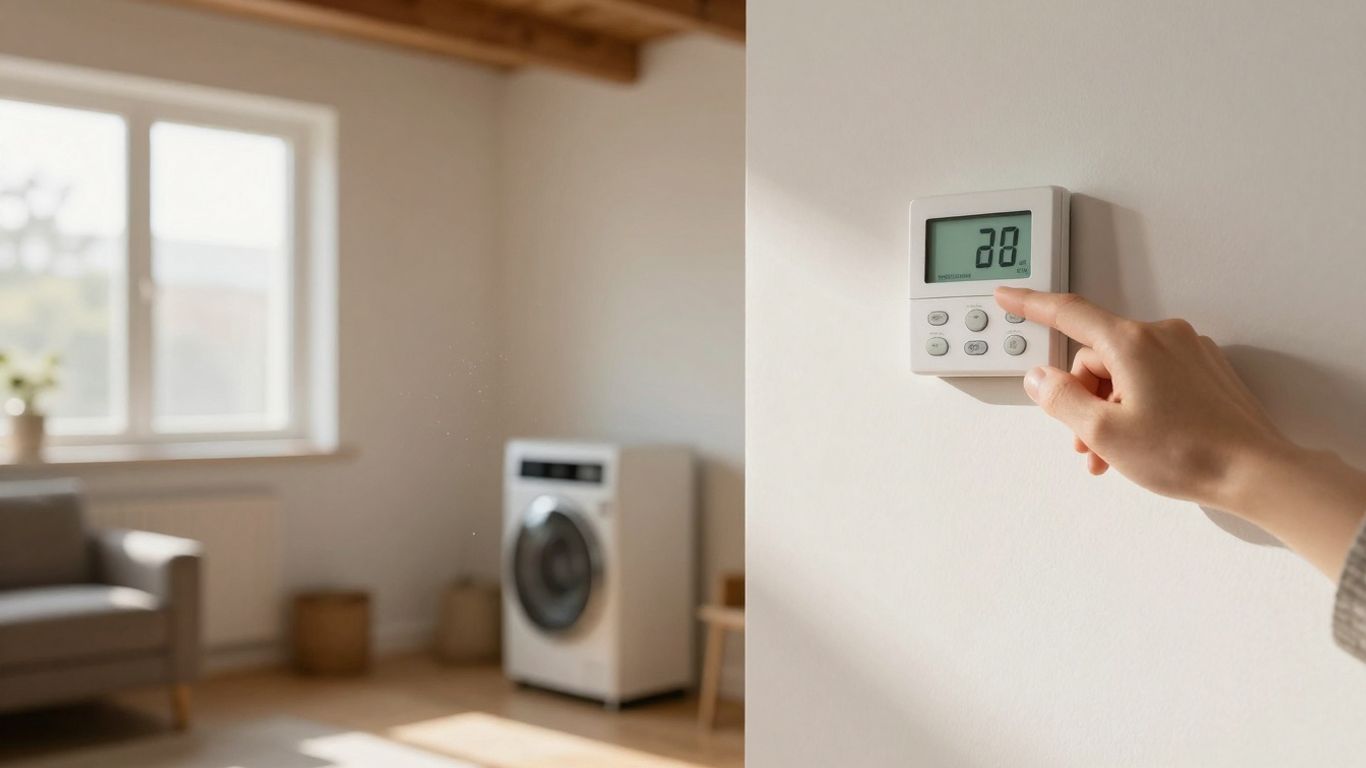
Beyond regular upkeep, we can also make some adjustments to help our heating systems run better and use less energy. It’s not just about keeping things clean; it’s about making sure the whole setup is working efficiently.
Clearing Airflow Obstructions
Air needs to move freely for your heating system to do its job. If air can’t get to the unit or circulate properly through your home, it has to work harder. This means more wear and tear and higher energy bills.
- Check Vents and Registers: Walk around your house and look at all the vents where warm air comes out and where it gets pulled back in. Make sure nothing is blocking them. Furniture, rugs, curtains, or even piles of stuff can get in the way. We need to keep these clear, at least a foot or so around each one.
- Inspect the Return Air Grille: This is where the system pulls in cooler air to heat it up. If this grille is blocked, the furnace or heat pump can’t get enough air. Sometimes, the filter is right behind it, so a dirty filter can also be a big problem here.
- Clear Area Around Outdoor Unit (if applicable): If you have a heat pump or a furnace with an outdoor component, make sure the area around it is clear. Trim back bushes or any plants that might be growing too close. We want to give it space to breathe, especially in the summer when it might also be cooling.
Checking Thermostat Settings
Your thermostat is like the brain of your heating system. How we set it can make a big difference in comfort and cost. It’s worth taking a moment to look at how we’re using it.
- Program It: If you have a programmable thermostat, take the time to set a schedule. Lower the temperature when you’re asleep or away from home. Even a few degrees can save a good amount of energy over time. We don’t need to heat an empty house.
- Avoid Constant Adjustments: Try not to fiddle with the thermostat settings all the time. If you set it to a comfortable temperature and let it do its thing, it’s usually more efficient than constantly turning it up and down.
- Consider a Smart Thermostat: If yours is old, maybe think about upgrading to a smart thermostat. These can learn your habits and adjust automatically, and you can often control them from your phone. It’s a bit of an investment, but many find they save money in the long run.
Making small changes to how we manage airflow and thermostat settings can really add up. It’s about helping our heating system work smarter, not just harder. This means less strain on the equipment and more money in our pockets.
Here’s a quick look at potential energy savings with a programmable thermostat:
| Setting Change | Potential Annual Savings |
|---|---|
| Lowering temp 7-10°F | Up to 10% |
| When away or asleep | |
| Setting a schedule | Up to 15% |
| Using smart features | Varies, but often more |
Remember, these are just estimates, but they show that even small adjustments can have a noticeable impact on our energy use.
Wrapping Up
So, we’ve gone over a few ways to help your heating system stick around for longer. It’s not rocket science, really. Just a bit of regular attention can make a big difference. Think of it like taking care of your car; a little maintenance now saves you from bigger headaches later. We hope these tips help you keep your home warm and your system running smoothly for years to come. It’s worth the effort, trust us.
Frequently Asked Questions
How often should we change the air filter in our heating system?
We recommend changing your heating system’s air filter at least once every three months. For households with pets or individuals who suffer from allergies, it’s a good idea to check and replace it even more often, perhaps monthly. A clean filter helps your system run smoothly and keeps the air in your home cleaner.
Is it really necessary to have our heating system checked by a pro every year?
Yes, we strongly advise scheduling a yearly check-up with a heating professional. They can spot small issues before they become big, expensive problems. Think of it like a regular doctor’s visit for your furnace; it helps ensure everything is working safely and efficiently, saving us from potential breakdowns during the coldest parts of the year.
What are some simple things we can do to make sure our heating system works its best?
To help our heating system perform at its peak, we should make sure there’s nothing blocking the vents or the area around the furnace itself – like furniture or curtains. Also, setting our thermostat correctly is key. We can program it to lower the heat when we’re asleep or away, which saves energy and reduces wear and tear on the system.
