


Thinking about a residential heating system replacement can feel like a big task. We’ve all been there, staring at an old furnace or boiler, wondering what comes next. It’s not just about picking a new box; it’s about keeping our homes warm and comfortable without breaking the bank. We want to make sure we get it right. This guide is here to help us figure out the best heating options for our homes. We’ll look at what our house needs, what systems are out there, and how to make the final choice.
Key Takeaways
- Before looking at new systems, we need to know how big our house is and how well it holds heat. Our local weather also plays a part in choosing the right type of system for a residential heating system replacement.
- We should look at different heating options like high-efficiency furnaces, boilers, heat pumps, and geothermal systems. Each has its pros and cons for a residential heating system replacement.
- It’s important to think about the total cost, including installation and how much it will cost to run the system over time. Getting professional help for installation and upkeep is also a good idea for any residential heating system replacement.
Assessing Your Home’s Heating Needs
Before we even start looking at fancy new heaters, we need to get a handle on what our place actually needs. It’s not a one-size-fits-all situation, you know? What works for your neighbor might be way off for us.
Understanding Your Home’s Size and Insulation
First off, how big is our house? A tiny bungalow needs a lot less oomph than a sprawling two-story with a finished basement. We should probably measure the square footage, or at least have a good idea of it. Then there’s insulation. This is a big one. Good insulation keeps the heat in during winter and out during summer, meaning our heating system won’t have to work overtime. Think about when your house was built. Older homes might not have the same level of insulation as newer ones. We can check the attic, walls, and crawl spaces. Are there drafts coming from windows or doors? Feeling cold spots when you walk around? That’s a sign our insulation might need some attention, and that directly impacts how powerful a heating system we’ll need.
Evaluating Climate Considerations for Residential Heating System Replacement
Where we live matters a whole lot. If we’re in a place with mild winters, we might not need the super-heavy-duty heating system that someone up north would require. Let’s think about our typical winter temperatures. Are we talking about occasional chilly days, or are we dealing with weeks of freezing weather? This climate factor really shapes what kind of system makes sense. For example, if it rarely gets below freezing, a heat pump might be a great option. But if we have brutal, long winters, we might lean more towards a robust furnace or boiler.
Here’s a quick way to think about it:
- Mild Winters: Occasional dips below 40°F (4°C). Heating needs are moderate.
- Moderate Winters: Frequent drops below 30°F (-1°C), with some freezing temperatures.
- Cold Winters: Extended periods below 20°F (-7°C), with significant snowfall and ice.
Knowing our local weather patterns helps us avoid overspending on a system that’s too powerful or, worse, getting stuck with one that can’t keep up when we really need it.
Exploring Different Residential Heating System Options
Now that we’ve thought about what our homes actually need, let’s look at the machines that can do the heating. There are quite a few choices out there, and each one works a bit differently. Picking the right one can feel like a puzzle, but understanding the basics of each type makes it much simpler.
High-Efficiency Furnaces and Boilers
These are probably the most common systems you’ll find in homes, especially in colder climates. Furnaces typically heat air and then blow it through ducts to warm your house. Boilers, on the other hand, heat water, which then circulates through pipes to radiators or baseboard heaters.
- Furnaces: Most modern furnaces use natural gas or propane. They’ve gotten much better over the years, with higher efficiency ratings meaning they waste less fuel. Look for an Annual Fuel Utilization Efficiency (AFUE) rating of 90% or higher for a good, efficient unit.
- Boilers: Boilers can run on gas, oil, or even electricity. Like furnaces, newer models are designed to be more efficient. They often provide a different kind of heat – a more even, radiant warmth that some people prefer.
The main advantage here is their ability to produce a lot of heat quickly, which is great on those really cold days. However, they do rely on fuel sources that can fluctuate in price.
Heat Pumps and Geothermal Systems
These systems are a bit different because they don’t create heat from burning fuel. Instead, they move heat from one place to another. In the winter, they pull heat from the outside air or the ground and bring it inside. In the summer, they can reverse the process to cool your home.
- Air-Source Heat Pumps: These are the most common type. They work by transferring heat between the outside air and your home’s air. They’re quite efficient in moderate climates, but their heating power can drop as outdoor temperatures get very low. Some newer models have improved cold-weather performance.
- Geothermal Systems: These are a more advanced option. They use the stable temperature of the earth to exchange heat. A network of underground pipes circulates a fluid that absorbs heat from the ground in winter and releases heat into the ground in summer. They have very low running costs and are incredibly efficient, but the initial installation cost is significantly higher.
Geothermal systems are a big investment upfront, but the long-term savings on energy bills can be substantial. They also tend to last longer than air-source systems.
When we look at these options, it’s clear that efficiency and how the heat is delivered are key differences. We need to think about which type fits our home’s layout and our local weather best.
Making the Final Decision for Residential Heating System Replacement
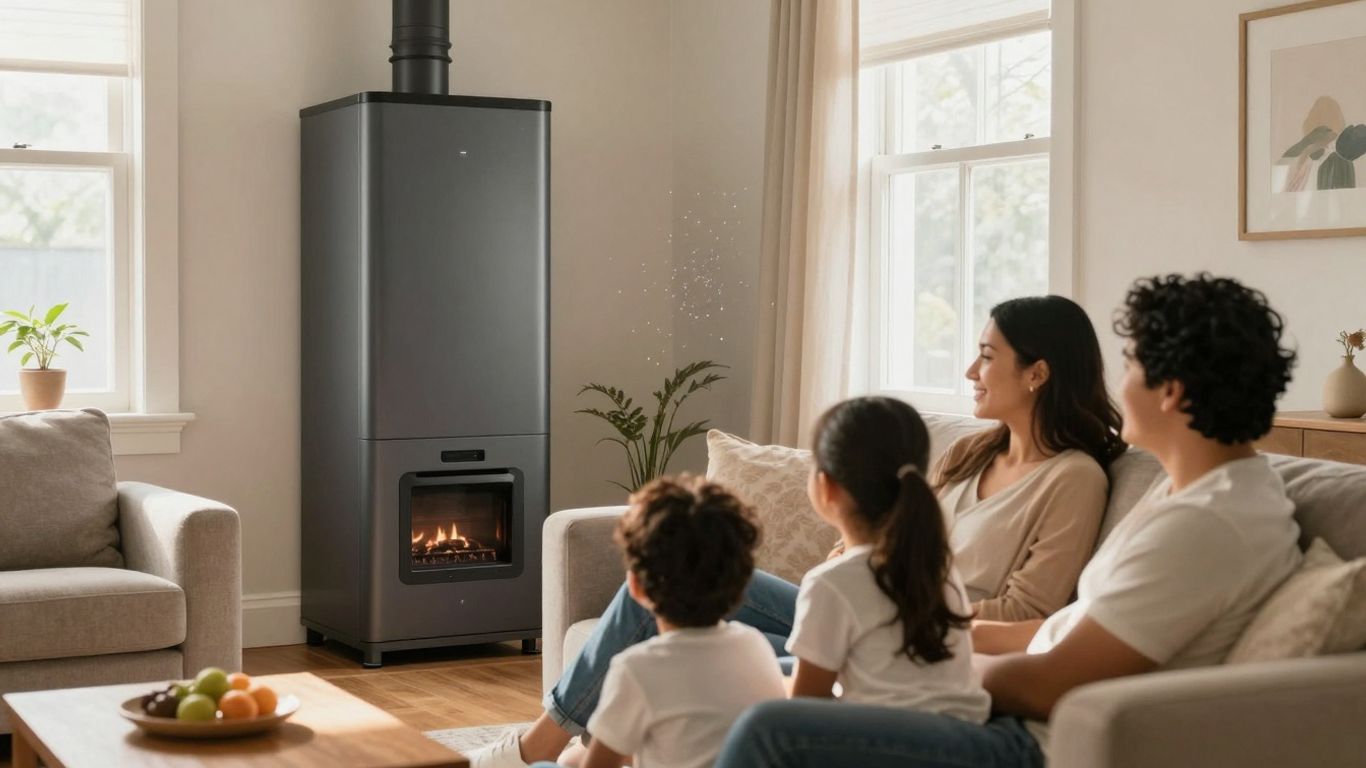
So, we’ve looked at our home’s needs and explored the different types of heating systems out there. Now comes the part where we actually pick one. It’s not just about picking the fanciest model; we need to think about what makes sense for our wallet and our home.
Budgeting for Installation and Long-Term Costs
This is where things can get a bit tricky. The upfront cost of a new heating system can be a big number. We’re talking about the price of the unit itself, plus all the labor to get it installed. Some systems, like geothermal, have a much higher initial price tag than, say, a standard furnace. But we can’t just stop there. We also have to consider the ongoing costs. This includes how much it’ll cost to run the system – think fuel or electricity bills – and how much we’ll need to set aside for regular check-ups and potential repairs down the road.
Here’s a rough idea of what we might expect:
| System Type | Estimated Installation Cost | Estimated Annual Operating Cost | Notes |
|---|---|---|---|
| High-Efficiency Furnace | $4,000 – $8,000 | $800 – $1,500 | Depends on fuel type and home size |
| Boiler | $5,000 – $10,000 | $900 – $1,600 | Often paired with radiators or baseboards |
| Air Source Heat Pump | $5,000 – $10,000 | $700 – $1,400 | Efficiency drops in very cold weather |
| Geothermal System | $20,000 – $35,000 | $400 – $800 | High upfront, very low operating costs |
Remember, these are just estimates. Prices can change a lot based on where we live, the specific brand we choose, and the complexity of the installation. It’s really important to get a few quotes from different installers.
Considering Professional Installation and Maintenance
We’ve all heard stories about DIY projects gone wrong, and installing a heating system is definitely not one of those. Getting it wrong can lead to a system that doesn’t work right, wastes energy, or even becomes a safety hazard. We need to find qualified professionals who know what they’re doing. They’ll make sure the system is sized correctly for our home, installed according to all the rules, and that it’s working safely and efficiently from day one.
Once it’s installed, we can’t just forget about it. Regular maintenance is key to keeping our new system running smoothly for years. This usually means:
- An annual check-up by a technician to inspect all the parts.
- Changing air filters regularly (we can often do this ourselves).
- Keeping the area around outdoor units clear of debris.
- Listening for any strange noises or noticing any odd smells, and calling a pro if we do.
Choosing a heating system is a big decision, and it’s easy to get overwhelmed by all the options and numbers. Taking the time to understand the total cost – not just the sticker price – and planning for professional installation and upkeep will save us headaches and money in the long run. It’s about finding a balance that keeps our home warm and our budget happy.
So, after we’ve got those quotes and talked to a few different HVAC companies, we should have a much clearer picture of which system fits our home and our budget best. It’s a significant investment, but getting it right means a comfortable home for many winters to come.
Wrapping Up Your Heating System Choice
So, we’ve gone over a lot of ground about picking the right heating system. It might seem like a big decision, and honestly, it is. But by looking at your home’s needs, your budget, and what kind of fuel you have access to, you can make a smart choice. We hope this guide has made the process feel a little less daunting. Remember, a well-chosen heating system means a warmer, more comfortable home for years to come. Take your time, do your homework, and don’t be afraid to ask for professional advice when you need it. Happy heating!
Frequently Asked Questions
How do we know if our house needs a new heating system?
We should consider a new heating system if our current one is old, breaks down a lot, or costs too much to run. Signs like uneven heating, strange noises, or high energy bills are good indicators that it might be time for an upgrade. We can also look at the age of our current system; many furnaces and boilers last about 15-20 years.
What’s the difference between a furnace and a boiler?
Both heat our homes, but they do it differently. A furnace heats air and blows it through ducts to warm up rooms. A boiler heats water, and that hot water travels through pipes to radiators or baseboard heaters, warming the air as it passes by. Furnaces are more common in homes with air conditioning systems that use ducts, while boilers are often found in older homes or those with radiant heating.
Are heat pumps really worth the cost?
Heat pumps can be a great choice, especially in milder climates. They work by moving heat from one place to another, rather than creating it. In the summer, they can move heat out of your house, acting like an air conditioner. While the initial cost might be higher than a furnace, they are very energy-efficient and can save us money on our heating and cooling bills over time. We should check if our local climate is suitable for a heat pump to get the most benefit.
