


As the weather warms up, we often start using our air conditioning systems more. Sometimes, when we turn them on after a long winter, we hear new sounds. These noises can be a bit startling, and we might not know what they mean. Figuring out these common spring HVAC noise issues can save us from bigger problems down the road. Let’s look at what those sounds could be telling us about our system.
Key Takeaways
- Strange sounds from your HVAC system in the spring often point to specific issues that need attention.
- Rattling, buzzing, hissing, and humming are common noises that can indicate problems like loose parts, airflow issues, or electrical concerns.
- Addressing these HVAC noises early through spring HVAC noise troubleshooting can prevent more serious damage and keep our systems running smoothly.
Understanding Common Spring HVAC Noises
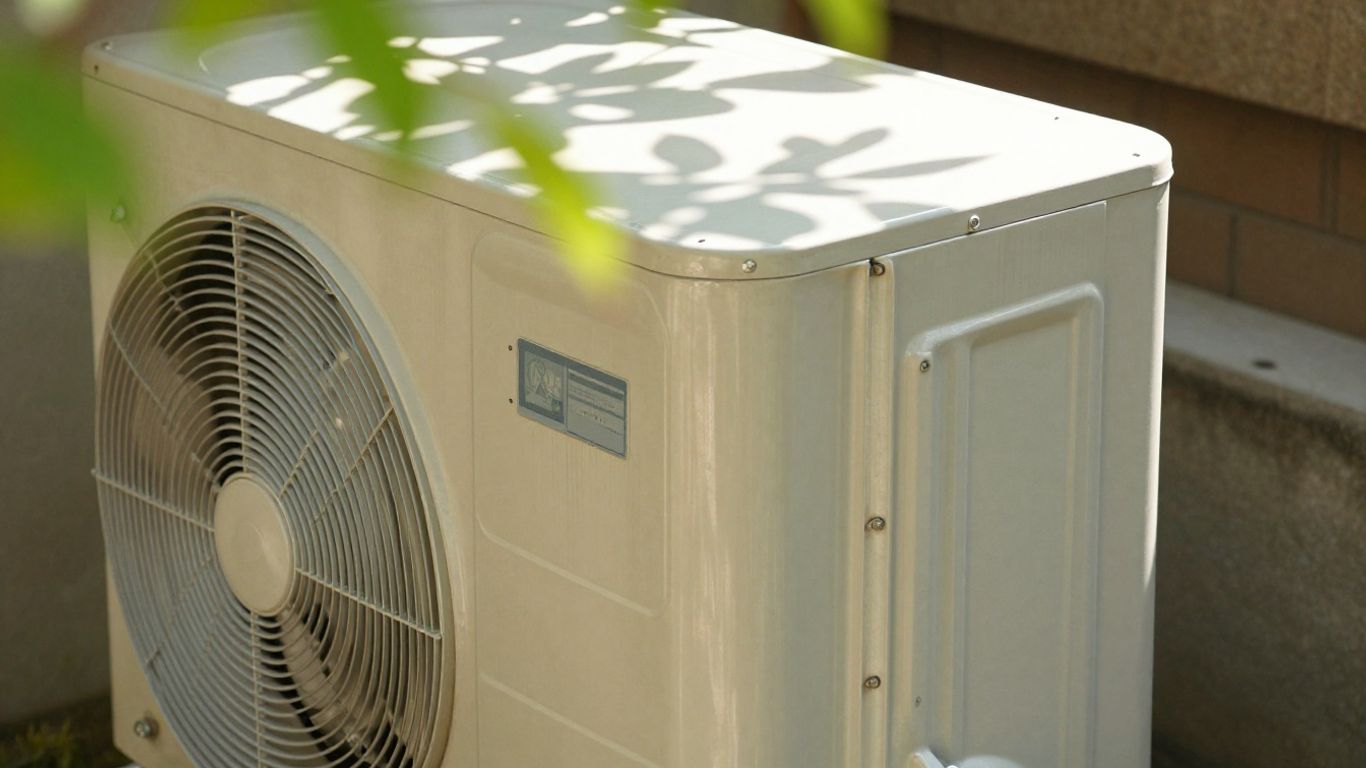
As the weather warms up, our heating, ventilation, and air conditioning (HVAC) systems get a workout. We often forget about them during the colder months, but spring is a prime time for them to start making sounds. Paying attention to these noises can save us from bigger problems down the road. Sometimes, a strange sound is just the system adjusting, but other times, it’s a clear signal that something needs attention. We’ll help you figure out what’s going on.
Identifying Unusual Sounds From Your HVAC System
When your HVAC system starts acting up, it usually announces itself with a noise. It’s not always obvious what the sound means, but recognizing the type of noise is the first step. We’ve found that common culprits include rattling, buzzing, hissing, and humming. Each of these sounds can point to different issues, from simple fixes to more involved repairs.
- Rattling: This often means something is loose. It could be a part inside the unit, or even something outside, like a vent cover that’s not secured properly.
- Buzzing: A persistent buzzing can indicate an electrical problem. This is one we always recommend getting checked out by a professional quickly.
- Hissing: A hissing sound might mean there’s a leak somewhere in your ductwork or refrigerant lines.
- Humming: A low hum is sometimes normal, but a loud or changing hum could signal a problem with the motor or fan.
Troubleshooting HVAC Noises During Spring Maintenance
When we hear a new noise, our first instinct is often to ignore it. But with HVAC systems, that’s usually not the best approach. Spring maintenance is the perfect time to address these sounds before they become serious. We can often do a quick check ourselves, but sometimes it’s best to call in an expert.
Here are a few things we can look at:
- Check Air Filters: A clogged air filter can restrict airflow and cause strain on the system, sometimes leading to odd noises.
- Inspect Vents and Registers: Make sure nothing is blocking them and that they are securely attached. Loose grilles can rattle.
- Listen Closely: Try to pinpoint where the sound is coming from. Is it the indoor unit, the outdoor condenser, or somewhere in the ductwork?
Sometimes, a simple fix like tightening a screw or clearing debris around the outdoor unit can make a surprising difference. We’ve learned that regular checks, even just a quick walk-around, can catch small issues before they grow.
If the noise persists after these basic checks, or if it sounds like an electrical issue or a refrigerant leak, it’s time to contact a qualified HVAC technician. They have the tools and knowledge to diagnose and fix more complex problems safely.
Decoding HVAC Sounds for Effective Spring Troubleshooting
As the weather warms up, our heating, ventilation, and air conditioning systems get a workout. Sometimes, this means we start hearing new sounds. Paying attention to these noises can help us catch problems early. We’ve all been there – a strange noise starts up, and we just hope it goes away. But with HVAC systems, ignoring sounds is rarely the best approach. Let’s break down some common culprits.
Recognizing Rattling and Buzzing HVAC Noises
Rattling and buzzing are probably the most common complaints we hear. A rattling sound often means something is loose. This could be a screw, a panel, or even a part inside the unit that’s come undone. It’s usually not a sign of immediate danger, but it’s definitely something that needs looking at.
- Loose panels: Exterior panels on your indoor or outdoor unit might vibrate against the frame.
- Debris: Small objects like twigs or leaves could have gotten into the outdoor unit and are hitting the fan blades.
- Internal components: A fan motor mount or a blower wheel could be loose.
Buzzing, on the other hand, can sometimes point to electrical issues. It might be a sign of a failing capacitor, a motor that’s struggling, or even a loose electrical connection. These noises often have a distinct, low hum to them.
If you hear a persistent buzzing, especially if it’s accompanied by a burning smell, turn off your system immediately and call a professional. Electrical problems can be serious.
Addressing Hissing and Humming Sounds in Your Spring HVAC
Hissing sounds are often associated with refrigerant leaks. Refrigerant is the stuff that makes your AC cold, and if it’s escaping, your system won’t cool properly. A hissing noise usually comes from the refrigerant lines, often near the indoor coil or the outdoor unit.
- Low refrigerant: This is the most common cause of hissing.
- Faulty valve: A valve in the system might not be sealing correctly.
- Damaged line: The refrigerant lines themselves could have a small puncture.
Humming sounds can be a bit trickier because they can mean different things. A gentle, steady hum is normal for many HVAC components, like the compressor in your outdoor unit. However, a louder or unusual humming noise could indicate a problem with the fan motor or the compressor itself. It might be working harder than it should, or a part could be wearing out.
If you’re hearing these sounds, it’s a good idea to check a few simple things before calling for service. Make sure the air filter is clean, as a clogged filter can make the system work harder and produce more noise. Also, check that the outdoor unit isn’t obstructed by debris. If the noises persist or seem to be getting worse, it’s time to schedule a check-up with a qualified technician.
Wrapping Up Those Spring HVAC Sounds
So, we’ve gone over a bunch of those funny noises your heating and cooling system might be making as the weather warms up. Sometimes a little rattle or a bang is just the system settling in, but other times, it’s a clear sign something needs a look. It’s easy to just ignore that weird hum or click, thinking it’ll go away on its own. We’ve all been there, right? But paying attention to these sounds can save us a lot of hassle and money down the road. If you’re hearing something that just doesn’t sound right, it’s probably best to get a professional to check it out. They can figure out what’s going on before it turns into a bigger problem. Keeping our HVAC systems running smoothly means a more comfortable home, and honestly, a lot less stress for us.
Frequently Asked Questions
Why does our HVAC system make a rattling noise in the spring?
A rattling sound often means something is loose inside the unit, like a screw or a panel. It could also be caused by debris or dirt that got inside over the winter. We should turn off the system and check for loose parts or call a technician if we are not sure what to do.
Is it normal for our HVAC to buzz when we turn it on after winter?
A buzzing noise can happen when the HVAC starts up after not being used for a while. It might be from a dirty filter, a failing motor, or electrical issues. We should check the filter first and replace it if it’s dirty. If the buzzing continues, it’s best to have a professional look at it.
What does a hissing sound from our HVAC mean during spring maintenance?
A hissing noise can mean there’s a leak, often in the ductwork or refrigerant line. This can make our system less efficient and should not be ignored. If we hear hissing, we should contact a professional to find and fix the leak to keep our system working well.
