


Building a new home in Searcy, Arkansas, is exciting, and getting the heating and cooling right from the start is a big part of that. We want our new place to be comfortable all year round, no matter the weather outside. Picking the best HVAC system means thinking about a few things, from the size of our house to how well it’s insulated. We’ll also look at the different types of systems available and what goes into a good hvac installation searcy ar. Let’s figure this out together so our new home stays cozy and cool when we need it to.
Key Takeaways
- Figure out how big your house is and how it’s laid out to know what size system you need.
- Think about Searcy’s weather – hot summers and cooler winters – when choosing your system.
- Check how good your home’s insulation and sealing are, as this affects how hard your HVAC has to work.
- Compare different HVAC types like central air, heat pumps, and mini-splits to see what fits your home and budget best.
- Make sure your hvac installation searcy ar is done by a licensed and reviewed professional for good results.
Understanding Your Home’s Heating And Cooling Needs
Before we even think about picking out an HVAC system, we need to get a good handle on what our new house in Searcy actually needs. It’s not a one-size-fits-all situation, and getting this part right means a more comfortable home and lower energy bills down the road. Let’s break down how we figure this out.
Assessing Square Footage And Layout
First off, we need to know the size of our home. A big house needs a different system than a small one. We’ll look at the total square footage, but also how the space is laid out. Are there lots of rooms? Open spaces? High ceilings? These details affect how air moves and where we might have hot or cold spots. A simple floor plan can help us visualize this. Knowing the exact square footage is the first step to properly sizing any heating or cooling equipment.
Considering Searcy’s Climate Patterns
Searcy, Arkansas, has its own weather personality. We get pretty hot and humid summers, and winters can get quite chilly. This means our HVAC system needs to be strong enough to cool us down when it’s sweltering outside and warm us up when the temperature drops. We’ll want a system that can handle both extremes efficiently. Thinking about the average temperatures and humidity levels throughout the year helps us choose a system that won’t struggle.
Evaluating Insulation And Air Sealing
How well our house holds onto conditioned air is a big deal. Good insulation in the walls, attic, and floors acts like a blanket, keeping the heat in during winter and out during summer. Likewise, good air sealing stops drafts and prevents conditioned air from escaping. If our house isn’t well-insulated or has leaks, our HVAC system will have to work much harder, using more energy and costing us more money. We should look into the current insulation levels and check for obvious air leaks around windows, doors, and where pipes or wires enter the house.
Exploring Different HVAC System Types
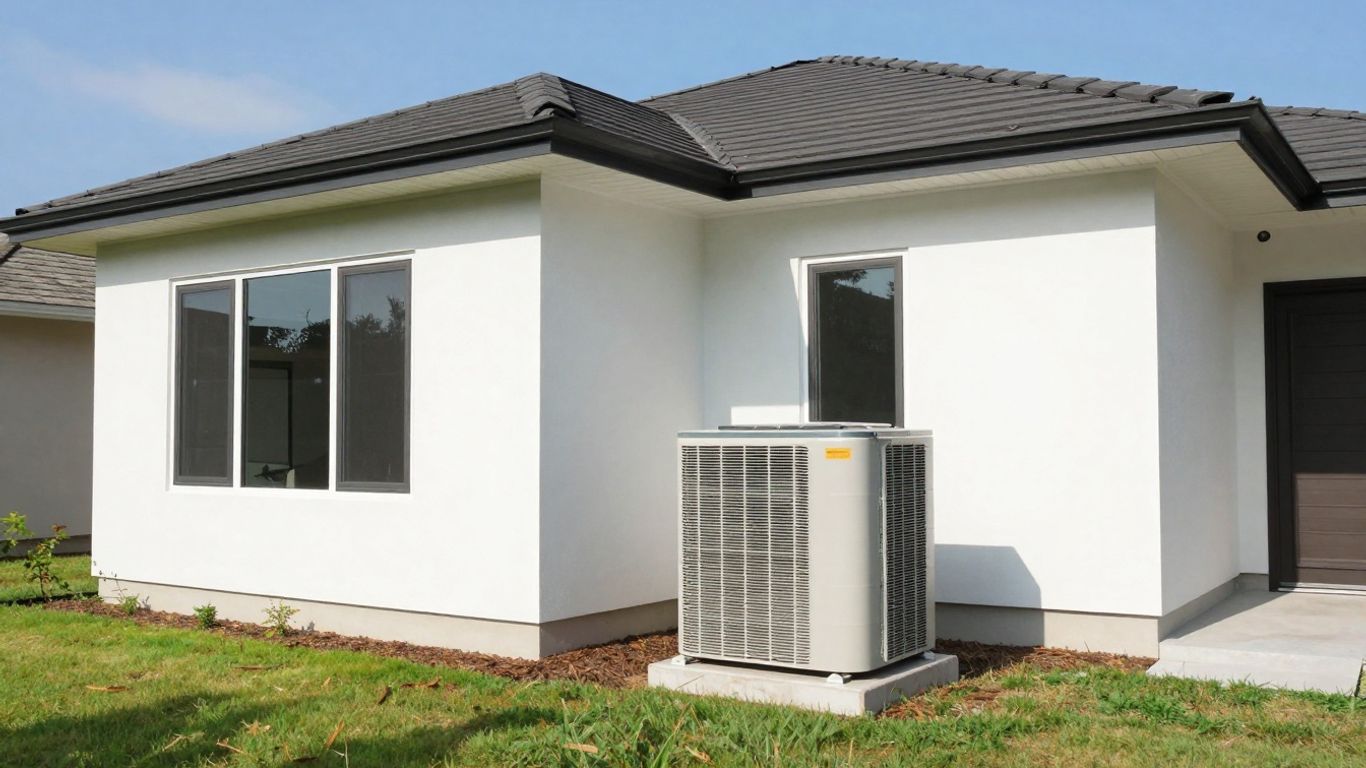
Choosing the right heating, ventilation, and air conditioning (HVAC) system is a big decision for your new home in Searcy. We’ve looked at your home’s needs and Searcy’s climate, so now let’s get into the actual equipment. There are several main types of systems available, and each has its own way of keeping you comfortable year-round. Understanding the differences will help us pick the best fit for your situation.
Central Air Conditioners and Furnaces
This is probably the most common setup you’ll find in many homes. A central air conditioner handles your cooling, and a furnace takes care of heating. They work together, usually sharing the same set of ducts to distribute conditioned air throughout your house. The air conditioner pulls heat from inside your home and moves it outside during the summer. In the winter, the furnace generates heat, which is then pushed through the ducts. Furnaces can run on natural gas, propane, or electricity.
- Pros: Widely understood technology, generally reliable, good for whole-house comfort.
- Cons: Requires ductwork, can be less efficient than newer technologies, separate units for heating and cooling.
Heat Pumps For Year-Round Comfort
Heat pumps are pretty neat because they can both heat and cool your home. They work by transferring heat, rather than generating it. In the summer, they move heat from inside your house to the outside, just like an air conditioner. In the winter, they reverse the process and pull heat from the outside air (even when it’s cold!) and move it inside. This makes them quite energy efficient, especially in milder climates. Searcy’s weather can get pretty warm in the summer and cold in the winter, so a heat pump might need a supplemental heat source, like electric resistance heat or a furnace, for those really cold days.
- How they work:
- Cooling Mode: Extracts heat from indoor air and transfers it outdoors.
- Heating Mode: Extracts heat from outdoor air and transfers it indoors.
- Supplemental Heat: Engages when outdoor temperatures drop too low for efficient heat extraction.
Ductless Mini-Split Systems
If your home doesn’t have existing ductwork, or if you’re looking to heat or cool specific zones in your house, ductless mini-split systems are a great option. These systems consist of an outdoor unit connected to one or more indoor air handlers. Each indoor unit can be controlled independently, allowing you to set different temperatures in different rooms. This can save energy because you’re not conditioning spaces that aren’t being used. They are also known for being very quiet and efficient.
- Key Features:
- No ductwork required.
- Zoned heating and cooling capabilities.
- High energy efficiency.
- Quiet operation.
When we’re looking at these options, it’s important to think about how each system will perform in Searcy’s specific weather. A system that works well in a milder climate might struggle here during our hottest summers or coldest winters. We need something that’s up to the task without costing us a fortune to run.
We’ll discuss how to properly size these systems in the next section, which is a really important step no matter which type you choose.
Key Factors For Effective HVAC Installation In Searcy AR
Getting your new HVAC system installed right is a big deal, especially here in Searcy. We want it to work well for years without causing headaches. It’s not just about picking a good unit; how it’s put in makes a huge difference in how it performs and how long it lasts. We’ll look at a few things that really matter when it comes to installation.
Proper Sizing For Optimal Performance
This is probably the most important part. If your system is too small, it’ll run all the time trying to keep up, never quite getting comfortable, and using way more energy than it should. On the flip side, an oversized unit will cycle on and off too quickly. This short cycling means it won’t dehumidify the air properly, leading to a clammy feeling, and it puts extra wear and tear on the components. We need to make sure the system is sized just right for our specific home.
We can figure this out by looking at:
- The total square footage of your home.
- The amount and type of insulation we have.
- The number and size of windows, and how well they seal.
- The general layout of the house.
- How much sun your home gets throughout the day.
Choosing The Right Location For Equipment
Where the indoor and outdoor units are placed matters more than you might think. For the outdoor condenser unit, we want to pick a spot that’s shaded if possible, but also has good airflow. We don’t want it blocked by bushes or fences. It should also be on a level pad, away from windows that open to bedrooms to avoid noise. For the indoor air handler or furnace, accessibility for maintenance is key. We also need to consider how it connects to the ductwork and electrical supply. A poorly placed unit can lead to reduced efficiency and make future repairs a pain.
Ensuring Efficient Ductwork Design
If we’re going with a central system, the ductwork is like the lungs of our home’s HVAC. Leaky or poorly designed ducts can lose a lot of conditioned air before it even gets to the rooms. This wastes energy and makes some rooms hotter or colder than others. We need to make sure the ducts are properly sealed, insulated, and sized correctly for the airflow needed.
A well-designed duct system is often overlooked, but it’s critical for comfort and efficiency. Think of it as the highway for your air; if the highway is full of potholes or too narrow, the traffic (air) just won’t flow smoothly.
We should ask our installer about:
- The materials they plan to use for the ducts.
- How they will seal all the joints and connections.
- Whether they will insulate the ducts, especially those running through unconditioned spaces like attics or crawl spaces.
- The overall layout and how it minimizes bends and long runs.
Selecting A Qualified HVAC Contractor
Finding the right person or company to install your new HVAC system is a big deal. We want someone we can trust to do the job right the first time. It’s not just about getting the system in; it’s about making sure it works well for years to come. We’ve put together some pointers to help us make a good choice.
Verifying Licenses And Insurance
First things first, we need to check if they are properly licensed and insured. A licensed contractor has met the state’s requirements for knowledge and skill. Insurance is also important. If something goes wrong during the installation, like accidental damage to our new home, their insurance should cover it. We don’t want to be on the hook for unexpected problems. We’ll ask to see proof of both their license and their insurance policy. It’s a basic step, but it weeds out a lot of potential issues right away.
Reading Customer Reviews And Testimonials
What are other people saying about them? Online reviews and testimonials can give us a good idea of what to expect. We’ll look at sites like Google, Yelp, or even the Better Business Bureau. We’re looking for patterns – are customers happy with the installation quality? Is the company responsive if there are problems? We’ll pay attention to both positive and negative feedback, trying to get a balanced view. A contractor with consistently good reviews is usually a safe bet.
Requesting Multiple Installation Quotes
We shouldn’t just go with the first company we talk to. It’s smart to get quotes from at least three different contractors. This helps us compare prices, but it’s not just about the lowest number. We need to see what’s included in each quote. Does one include more detailed ductwork inspection? Does another offer a longer warranty on parts or labor? We’ll compare the equipment they propose, the scope of work, and the overall cost. This comparison helps us find a good balance between price and the quality of service we’ll receive.
Budgeting For Your New HVAC System
When we’re building a new home here in Searcy, figuring out the costs for everything can feel overwhelming. The HVAC system is a big part of that, and it’s not just about the sticker price of the unit itself. We need to think about the whole picture to avoid surprises down the road.
Understanding Initial Equipment Costs
The price of the actual heating and cooling equipment varies a lot. A basic, standard efficiency air conditioner and furnace will cost less upfront than a high-efficiency model or a heat pump. The size of your home also plays a role; larger homes need bigger, more powerful (and thus more expensive) systems. We should also consider the brand reputation and the warranty offered, as these can influence the initial price.
Here’s a general idea of what we might expect:
| System Type | Estimated Cost Range (Equipment Only) |
|---|---|
| Central AC + Furnace | $4,000 – $8,000 |
| Heat Pump | $5,000 – $10,000 |
| Ductless Mini-Split | $3,000 – $7,000 (per zone) |
These are just estimates, and actual prices can change based on specific features and brands.
Factoring In Installation Labor Expenses
Don’t forget that installation is a significant part of the total cost. This includes the labor of skilled technicians, any necessary modifications to ductwork, electrical work, and the removal of old equipment if applicable (though not usually the case for new builds). The complexity of the installation, the accessibility of the installation area, and the hourly rates of contractors in Searcy will all affect this figure. We should always get detailed quotes that break down labor costs.
Exploring Energy Efficiency Rebates And Incentives
This is where we can potentially save some money. Many manufacturers and utility companies offer rebates or tax credits for installing energy-efficient HVAC systems. These incentives can make a higher-efficiency unit, which might have a larger upfront cost, much more affordable in the long run. We’ll want to research what’s available through Entergy Arkansas or any federal programs.
- Look for ENERGY STAR certified equipment.
- Check with your local utility provider for specific rebate programs.
- Ask your HVAC contractor about available manufacturer incentives.
Planning our budget carefully now means we can select a system that balances upfront cost with long-term operating expenses and comfort. It’s an investment in our home’s future.
Maintaining Your HVAC System For Longevity
So, you’ve picked out the perfect HVAC system for your new home in Searcy, and it’s all installed and running smoothly. That’s fantastic! But here’s the thing: getting it in is only half the battle. To make sure that system keeps your home comfortable for years and doesn’t start acting up when you least expect it, you’ve got to give it some regular attention. Think of it like taking care of a car; a little bit of upkeep goes a long way.
Regular Filter Changes
This is probably the easiest and most important thing you can do. Your HVAC system has filters that catch dust, pollen, and other bits of stuff floating around in the air. When these filters get clogged up, your system has to work much harder to pull air through them. This wastes energy and puts a strain on the equipment. We recommend checking your filter at least once a month, especially during peak heating and cooling seasons. If it looks dirty, swap it out. Most standard filters need replacing every 1-3 months, but this can vary based on your home’s air quality and whether you have pets.
Annual Professional Tune-Ups
While you can handle the filters, there are some things that are best left to the pros. We suggest scheduling a professional check-up for your HVAC system at least once a year. Ideally, you’d want this done before the really hot or really cold weather hits. A technician will come out and give your system a thorough inspection. They’ll clean out parts you can’t easily reach, check refrigerant levels, test electrical connections, and look for any small problems before they turn into big, expensive ones. It’s a good way to catch issues early and keep everything running efficiently.
Recognizing Signs Of Potential Issues
Sometimes, your HVAC system will give you hints that something isn’t quite right. Paying attention to these signs can save you a lot of trouble down the road. Here are a few things to watch out for:
- Strange Noises: Any new banging, rattling, or squealing sounds coming from your unit should be investigated.
- Uneven Heating or Cooling: If some rooms are hot while others are cold, there might be a problem with airflow or the system itself.
- Increased Energy Bills: A sudden jump in your electricity or gas bill, without any change in usage, could mean your system is working harder than it should.
- Weak Airflow: If the air coming out of your vents feels weak, it could be a sign of a clogged filter, a blocked vent, or a more serious issue.
Taking a proactive approach to HVAC maintenance is always more cost-effective than waiting for a breakdown. A well-maintained system not only performs better but also lasts longer, saving you money on energy bills and repair costs over time. It’s an investment in your home’s comfort and your peace of mind.
By following these simple steps – changing filters regularly, getting annual professional check-ups, and being aware of any warning signs – we can help ensure our HVAC system serves us well for many years to come here in Searcy.
Wrapping Things Up
So, we’ve looked at a few things about picking the right heating and cooling system for your new place here in Searcy. It’s a big decision, for sure, and there are a lot of options out there. We talked about how the Arkansas weather can really swing from hot and sticky summers to pretty chilly winters, so what you choose needs to handle both. Thinking about your home’s size, how well it’s insulated, and what you can afford are all important steps. Don’t rush this part. It’s worth taking the time to get it right, so you and your family can be comfortable all year round without breaking the bank on energy bills. We hope this helps you feel more confident as you make your choice.
Frequently Asked Questions
How do we figure out what size HVAC system our new house needs?
To pick the right size, we’ll look at how big your house is and how it’s laid out. We also consider how much heat or cool air your home needs to stay comfy, which depends on things like how well your walls are insulated and if there are any air leaks.
What’s the difference between a heat pump and a regular air conditioner?
A regular air conditioner only cools your home. A heat pump can both cool your home in the summer and heat it in the winter. It works by moving heat around, so it’s a great option for year-round comfort.
Are ductless mini-split systems good for new homes?
Yes, ductless mini-splits are a fantastic choice, especially if you want flexibility. They don’t need air ducts, which can save on installation costs and make it easy to control the temperature in different rooms separately. This means you only use energy where and when you need it.
Why is it important to choose a good HVAC installer?
Picking a skilled and trustworthy installer is super important. They make sure the system is put in correctly, which means it will work well and last longer. A bad installation can lead to problems and cost us more money down the road.
How much should we expect to spend on a new HVAC system?
The cost can vary a lot. We’ll need to think about the price of the equipment itself, plus the cost for the workers to install it. Sometimes, there are also special deals or discounts from the government or energy companies that can help lower the overall price.
What’s the best way to keep our HVAC system running smoothly?
Keeping your system in good shape is pretty simple. We should change the air filters regularly, usually every few months. It’s also a good idea to have a professional check the system once a year to make sure everything is working right and catch any small problems before they get big.
