


When allergy season rolls around in Searcy, many of us find ourselves spending more time indoors. Unfortunately, this often means breathing air that can be full of pollen, dust, and other irritants. We want our homes to be a safe haven, especially when the air outside isn’t cooperating. This article looks at some simple ways we can improve the air quality inside our homes, making them more comfortable for everyone.
Key Takeaways
- We can make our homes better at fighting allergens by looking at our heating and cooling systems. Upgrading these can make a big difference.
- Using better filters in our HVAC systems is a straightforward way to catch more tiny particles that cause allergies.
- We should also think about how we bring fresh air in and manage moisture. These steps help keep our indoor air quality solutions working well to reduce mold and dust mites.
Enhancing Your Home’s Defenses Against Allergens
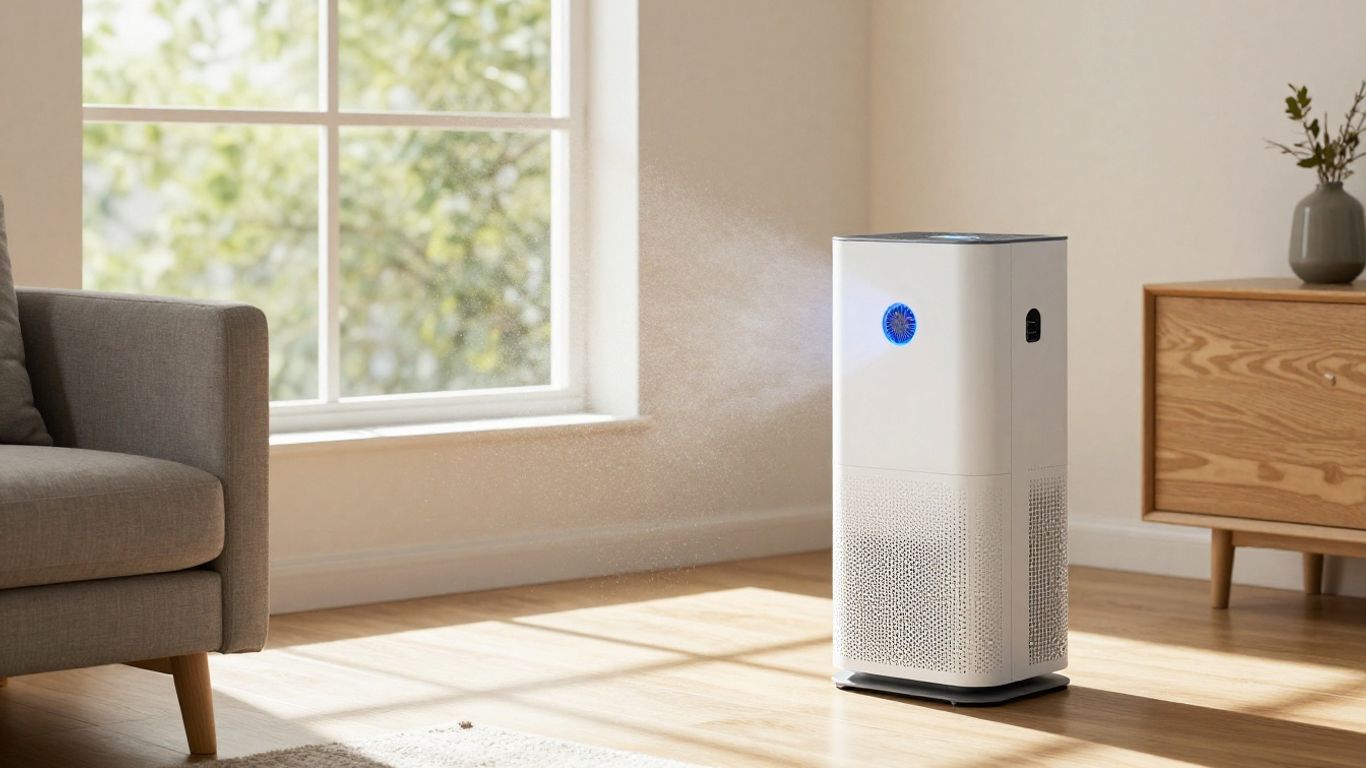
As allergy season approaches, we often focus on what we can do outside our homes, but what about the air we breathe inside? Our homes in Searcy can become havens for allergens like pollen, dust mites, and pet dander, especially when windows are kept shut. We need to take proactive steps to improve our indoor air quality.
Upgrading Your HVAC System for Cleaner Air
Your heating, ventilation, and air conditioning (HVAC) system is the lungs of your home. If it’s not working efficiently, it can circulate allergens throughout your living space. A simple upgrade can make a big difference.
- Regular Maintenance: We should schedule annual check-ups for our HVAC system. This includes cleaning coils, checking refrigerant levels, and inspecting ductwork for leaks. A well-maintained system runs better and filters air more effectively.
- Duct Cleaning: Over time, dust, debris, and even mold can accumulate in your ductwork. We can have our ducts professionally cleaned to remove these contaminants before they get blown into our rooms.
- System Efficiency: Consider if your current HVAC unit is old or undersized. An older, less efficient unit might struggle to keep up, especially during peak allergy seasons. Upgrading to a newer, more energy-efficient model can improve air circulation and filtration.
Implementing Advanced Filtration Techniques
Beyond basic maintenance, we can implement more advanced filtration methods to catch smaller particles that traditional filters might miss. This is where we can really make our homes healthier.
- MERIT Ratings: When selecting air filters, look for the MERIT rating. Higher MERIT ratings (like MERIT 11-13) capture smaller particles, including pollen, mold spores, and pet dander. We should aim for filters with a MERIT rating of at least 11 for good allergen capture.
- HEPA Filters: For the most thorough filtration, consider a whole-house HEPA (High-Efficiency Particulate Air) filter. These are designed to capture 99.97% of airborne particles down to 0.3 microns. While they can be an investment, the relief they provide during allergy season is significant.
- Electronic Air Cleaners: These devices use electrostatic charges to attract and capture particles. They can be a good option for homes with significant dust or smoke issues, but they do require regular cleaning to maintain effectiveness.
Making these upgrades to our HVAC system and filtration methods is a direct way to combat the allergens that invade our homes. It’s about creating a sanctuary, not just a living space.
Here’s a quick look at filter effectiveness:
| Filter Type | Particle Capture Efficiency | Best For |
|---|---|---|
| Basic Fiberglass | Low | Minimal dust |
| Pleated (MERIT 8) | Moderate | Larger dust particles, lint |
| High-MERIT (11-13) | High | Pollen, mold spores, pet dander |
| HEPA | Very High | Fine allergens, smoke, bacteria |
Smart Strategies for Superior Indoor Air Quality Solutions
Beyond just filtration, we can take other steps to make the air inside our Searcy homes cleaner during allergy season. It’s about creating a whole system that works together.
Ventilation Improvements for Fresh Air Circulation
We often think about keeping allergens out, but sometimes, we need to let fresh air in. This might sound counterintuitive when pollen counts are high, but proper ventilation is key. It helps dilute indoor pollutants, including allergens that might have found their way inside. We can look at upgrading our existing systems or adding new ones.
- Consider a Heat Recovery Ventilator (HRV) or Energy Recovery Ventilator (ERV). These systems bring in fresh outside air while exhausting stale indoor air. They also pre-condition the incoming air using the outgoing air’s temperature, saving energy.
- Install exhaust fans in bathrooms and kitchens. These pull out moisture and odors, which can contribute to poor air quality.
- Regularly open windows when pollen counts are low. This is a simple, free way to exchange indoor air for outdoor air. Check local pollen reports before doing this.
Controlling Humidity Levels to Deter Mold and Dust Mites
High humidity is a breeding ground for things we don’t want in our homes, like mold and dust mites. These are major allergy triggers. Keeping humidity in the right range makes a big difference.
- Use dehumidifiers in damp areas. Basements, bathrooms, and laundry rooms are common culprits for excess moisture.
- Ensure proper attic and crawl space ventilation. This prevents moisture buildup in these often-overlooked areas.
- Fix any leaks promptly. Dripping pipes or roof leaks can quickly lead to mold growth.
Maintaining indoor humidity between 30% and 50% is our goal. This range is uncomfortable for mold and dust mites, making your home less hospitable to them.
We need to think about our homes not just as places to live, but as environments that directly impact our health. Small changes in how we manage air circulation and moisture can lead to significant improvements in how we feel, especially when allergy season hits hard.
Wrapping Up Our Allergy Season Prep
So, we’ve talked about a few ways to make our homes in Searcy a bit more comfortable when allergy season hits. It might seem like a lot, but even small changes can make a real difference in how much we sneeze and itch. We hope these ideas give you a good starting point for improving your indoor air. Taking these steps means we can all breathe a little easier, especially when those pollen counts start climbing. It’s about making our homes a true sanctuary, a place where we can relax and feel good, no matter what’s happening outside.
Frequently Asked Questions
What’s the best way to keep the air in our house clean during allergy season?
To keep our homes free of allergy triggers, we can start by making sure our heating and cooling system, often called the HVAC, is in good shape. Think of it like giving our house a special shield. We can also use better filters that catch tiny particles like pollen and pet dander before they spread around.
How can we get more fresh air inside without letting in allergens?
We can improve how our house brings in fresh air. This helps push out stale air that might have allergens. It’s like opening a window, but in a smarter way, so we get good air without all the pollen. Also, keeping the air from getting too damp is important. Too much moisture helps tiny critters like dust mites and mold grow, which are bad for allergies.
Are there special tools or tricks we can use to make our indoor air better?
Yes, there are! We can install special filters in our air system that are much better at trapping small things that make us sneeze. Another good idea is to make sure our house has good ventilation, which means fresh air is always moving through. Lastly, controlling the dampness in our home stops mold and dust mites from making a home where we live.
